
By Bosphorus News Geopolitics Desk
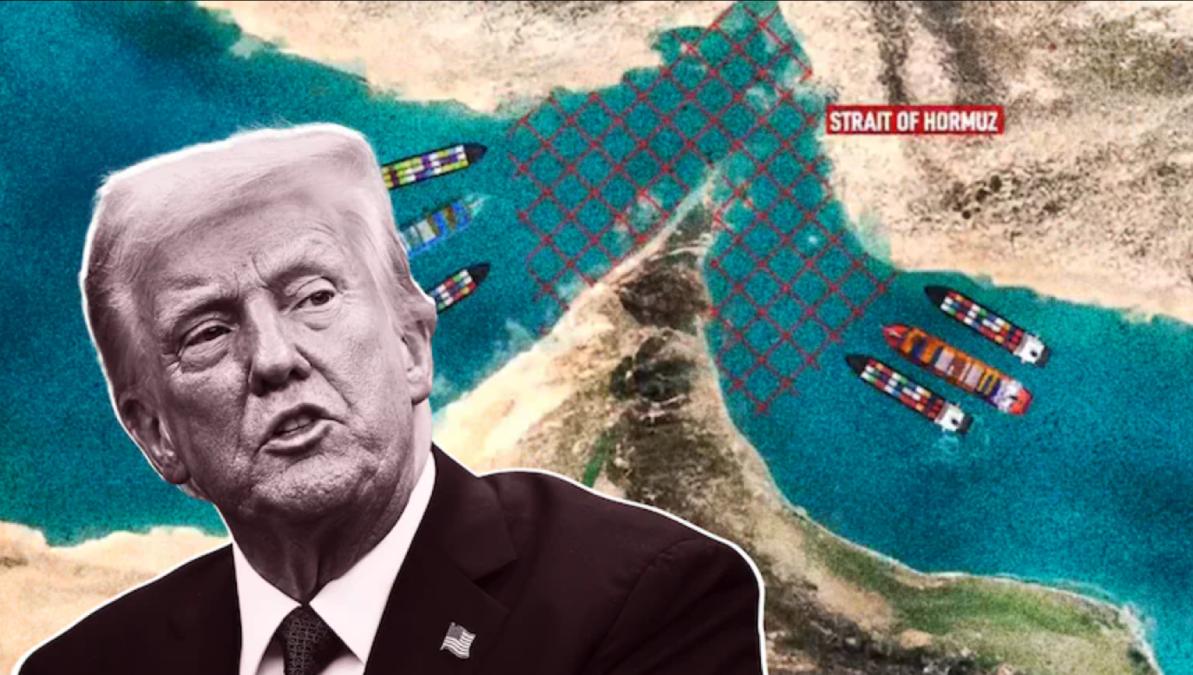
Three weeks into the war, the Strait of Hormuz has become a test not only of maritime security but of alliance cohesion. President Donald Trump wants NATO countries to help reopen the waterway with naval escorts. That demand has not produced a common position. It has exposed how differently allies read the war, the risks of escalation, and the limits of what they are willing to do for a conflict Washington began without collective consultation.
Türkiye Keeps Its Room To Maneuver
Ankara has said very little in public about Trump's call for allied escorts. That silence is part of the policy. Türkiye has not offered forces for a Hormuz mission, but it has also avoided turning the issue into an open confrontation with Washington. Hakan Fidan said on 14 March that Türkiye's main objective was to stay out of the war. That remains the clearest official line.
What makes the Turkish position unusual is not caution alone. Türkiye is still a NATO ally hosting alliance air defence assets, while also keeping diplomatic channels open with Tehran and preserving commercial breathing space for its shipping. Iranian authorities have allowed Turkish-linked vessels to transit the strait at a time when access for others has become far more uncertain. Ankara has little reason to throw that position away by joining a mission that could erase its remaining leverage with both sides.
Bosphorus News reported earlier that both Türkiye and Greece have declined to join a Hormuz combat mission despite growing US pressure, reflecting a broader reluctance among allies to move from political support to operational involvement.
For Türkiye, Hormuz is not a simple question of alliance solidarity. It sits at the intersection of energy security, commercial access, military exposure and regional diplomacy. That helps explain why Ankara is resisting the pressure to answer in the language Washington wants.
Washington Wants Burden Sharing Now
Trump called NATO allies "cowards" on 21 March and described the alliance as "a paper tiger" without the United States. He framed Hormuz as a straightforward task and argued that countries dependent on Gulf energy should help restore passage. The Pentagon is reinforcing the theatre, but the sharper signal has come from the White House itself. Washington is no longer asking in general terms for support. It wants visible operational participation.
That demand has landed awkwardly across the alliance because the war still lacks a shared political basis. European governments may want shipping restored and energy flows protected, but that is not the same as signing onto a US-led military operation whose scope and end point remain unclear.
Britain Moves Closest To Washington
London has come nearest to the American line. On 21 March, Britain said US forces could use British bases for operations against Iranian missile sites threatening shipping. A small number of British military planners have also been sent to US Central Command.
Even so, Prime Minister Keir Starmer took care to draw a boundary around the British role. He said clearly that this would not be a NATO mission. That distinction matters. Britain is helping the United States, but it is not trying to turn the Hormuz file into an alliance operation.
Continental Europe Waits Behind Conditions
Germany, France, Italy and Belgium have not ruled out involvement forever, but none is ready to move under present conditions. Their language has been different in detail but similar in substance. They want a ceasefire that does not yet exist and an international mandate that has not yet been created.
German Defence Minister Boris Pistorius captured the mood most directly when he said, "This is not our war." France has explored a United Nations route that could provide legal cover for future action. Belgium linked any role to an international framework comparable to ASPIDES. A joint statement signed by 22 countries condemned Iran's closure of the strait and backed safe passage, but it stopped there. No forces were pledged.
For now, that is the continental line. Political support, legal caution, no operational commitment.
Greece Stays Out Despite Direct Exposure
Athens has been more explicit. The Greek government says it will not take part in military operations in Hormuz. It continues to separate its role in EUNAVFOR ASPIDES from any direct combat activity in the Gulf.
That choice carries obvious costs. More than 50 Greek-linked vessels are in the Persian Gulf and Hormuz area, leaving Greece heavily exposed to disruption in one of the world's most sensitive shipping corridors. But exposure has not pushed Athens toward intervention. If anything, it has reinforced the instinct to avoid a deeper military role in a war that could spread further and last longer than Washington expects.
Hormuz Is Exposing The Limits Of Alliance Discipline
The argument over tanker escorts now points to something larger. Washington treats the issue as urgent burden sharing. Britain is helping, but carefully. Continental Europe is holding back behind legal and political conditions. Greece has closed the door. Türkiye is preserving flexibility and avoiding a public break with either side.
None of this adds up to a common NATO posture. The same crisis is producing separate national calculations, not a shared allied response. Türkiye is not simply watching another dispute among allies. It is trying to protect its access, preserve diplomatic space and avoid losing strategic room at a moment when a rushed answer on Hormuz would narrow all three.