
By Bosphorus News Geopolitics Desk
The Presidency That Ran Into a War
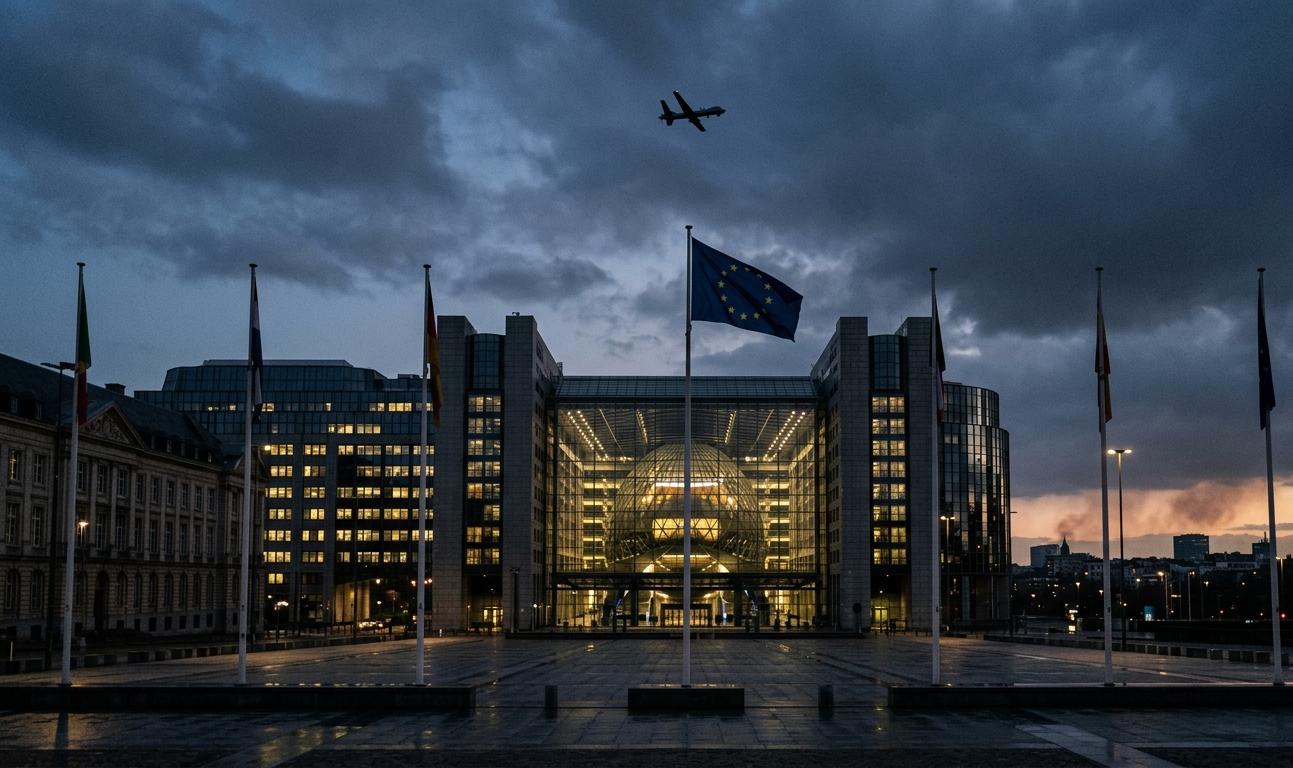
Cyprus assumed the rotating presidency of the Council of the European Union on January 1, 2026, under a programme built around security, defence preparedness, resilience and external openness. The themes had been chosen before anyone anticipated they would be tested on Cypriot soil within ten weeks.
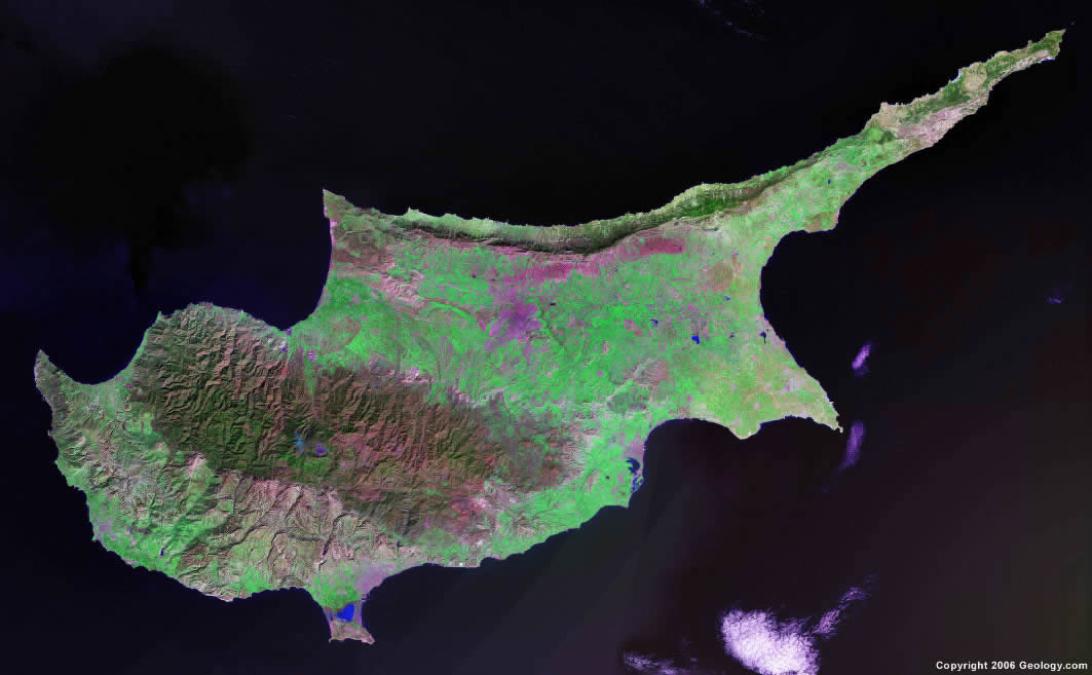
On March 1, a Shahed-type drone struck RAF Akrotiri on the island's southern coast. The presidency had just entered its second month.
As Osservatorio Balcani e Caucaso Transeuropa noted, the moment carried added political visibility precisely because Cyprus was holding the rotating presidency of the Council of the European Union when the infrastructure of an EU member state found itself directly implicated in the strategic geography of a Middle Eastern conflict.
Reuters noted the presidency in passing. No major outlet treated it as the central frame. The institutional question, what it means for the EU's own functioning when its current chair is simultaneously absorbing the shocks of a regional war, has gone largely unexamined.
An Agenda Disrupted
The practical consequences emerged within hours. The Cypriot Presidency postponed the informal meeting of 27 European Affairs Ministers, scheduled for March 2 in Nicosia, citing an "unexpected development that has unfortunately affected today's flights to Cyprus."
That was the first cancellation. The Defence Ministers meeting, originally set for March 11-12, was rescheduled to June 7. The Ecofin summit, planned for March 27-28, was moved to May 11-12 in Paphos. The informal meeting of European Affairs Ministers was shifted to May 10-11 in Nicosia.
By March 16, Cyprus's Energy Minister Michael Damianos was in Brussels announcing the presidency was resuming its normal agenda, with all informal Councils scheduled between April and June to proceed as planned. "Cyprus is and remains a safe and secure place and will always be part of the solution to any crisis involving the region or the European Union," he said.
The statement was the kind a presidency makes when its credibility as a host has been called into question.
The Sovereignty Paradox
The institutional disruption runs deeper than a rescheduled calendar. Cyprus found itself chairing the Council while publicly declaring it had no legal authority over the military installations on its own territory that were being used as justification for attacks against it.
While President Christodoulides repeatedly stated that the Republic is not involved in any military strikes, the drone attack on RAF Akrotiri demonstrated that regional adversaries do not distinguish between the Republic's soil and the British military enclaves. The 1960 Treaty of Establishment grants the United Kingdom sovereign rights over these installations, which London has utilised to support US-led operations in the current conflict.
This produced a specific legal gap for the EU. Had the strike hit territory under direct Cypriot control, Article 42.7 of the Treaty on European Union could have been invoked. That is the EU's mutual defence clause. Because the target was a post-Brexit British Sovereign Base Area on EU soil, the framework stalled. Von der Leyen stated that "although Cyprus was not a target, I make it clear: we stand collectively, firmly and categorically by the side of our member states against any threat." The statement expressed solidarity but did not resolve the legal ambiguity.
Civil Defence: The Gap That Could Not Be Hidden
The war spillover exposed a further layer of institutional inadequacy. Inspections carried out on 2,480 shelters in the days following the Akrotiri strike found that 482 could not be used, even though the civil defence leadership had been assuring interior ministry officials that all shelters were ready.
Inspectors found blocked parking garages, basement spaces used for storage, shelters filled with waste, and some locations listed on the SafeCY app that could not be located.
Civil Defence official Maria Pappa acknowledged publicly that shelters had not received the level of priority they required, describing the criticism as "somewhat unfair" given the service's limited resources while conceding the problem dated back decades.
The EU presidency holder was directing its citizens toward a shelter network that emergency inspection found nearly one in five installations unfit for use.
What the Presidency Was Supposed to Be
Nicosia had originally intended to use the presidency platform to promote the Amalthea Initiative, a maritime corridor designed to provide sustained humanitarian aid to Gaza. Instead the presidency was forced into crisis management mode, with the island's economic vulnerability sharpened further: the tourism sector, which accounts for nearly 15 percent of national GDP, saw a sharp decline in bookings for the 2026 season.
Cyprus wrote the agenda. The presidency's own stated priorities, security, defence preparedness, resilience, became the public scorecard against which the island was measured when the war arrived. The gap between the institutional language and the operational reality was visible to anyone who looked: a third of the formal meeting calendar displaced, half the population without shelter access, and a legal framework that offered solidarity but not cover.
The presidency runs until June 30. The war shows no sign of ending before then.
***For a broader picture of how the Iran war has exposed Cyprus's energy and airspace vulnerabilities, see Bosphorus News's earlier reports: Cyprus in the Crosshairs: Iran's Energy War Reaches Eastern Mediterranean Gas Fields and Iran War Spillover: Cyprus, Greece and Türkiye Quietly Tighten Terror Security.