
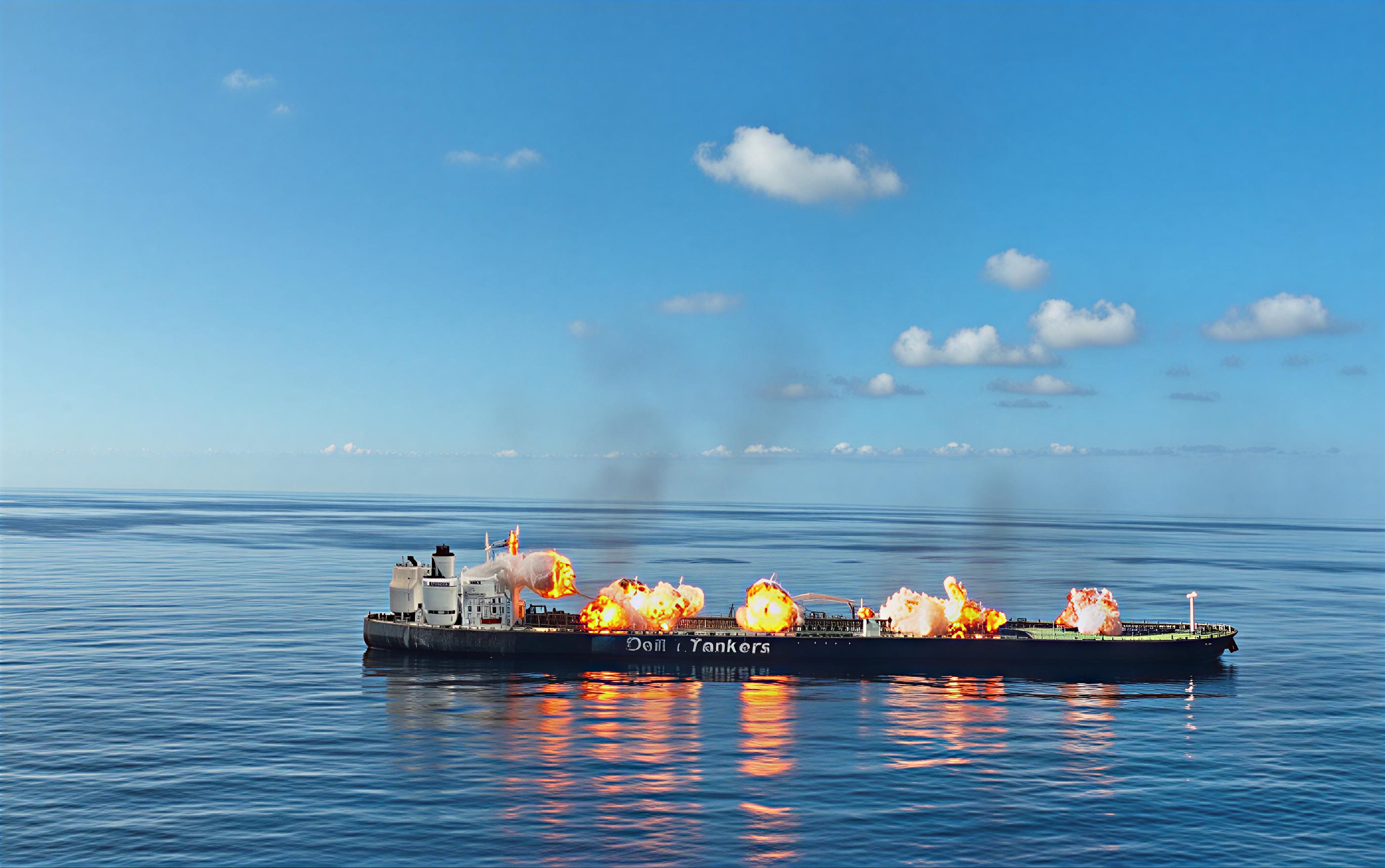
As BosphorusNews previously warned in November — when a Russian cruise ship was blocked from docking in Istanbul in a move widely interpreted as a reciprocity signal and early sign of Black Sea tensions — the region's maritime security has been under heightened strain for weeks, underscoring the broader context in which this latest sequence of events has unfolded.
President Recep Tayyip Erdoğan's recent diplomatic outreach to Moscow, including a request for a limited ceasefire window to protect maritime traffic in the Black Sea, was intended to reduce risks for commercial shipping. Yet developments that followed have highlighted how fragile such efforts remain in an increasingly volatile conflict zone.
Within hours of Ankara's reported appeal to Russian President Vladimir Putin for a temporary shipping ceasefire, Russian strikes were reported near Ukrainian ports where Turkish-flagged or Turkish-linked vessels were present. While no Turkish crew casualties were confirmed, the incidents have drawn attention to the persistent exposure of civilian shipping — even amid intensified diplomatic engagement.
The episode does not negate Türkiye's role as a key intermediary between Russia and Ukraine. On the contrary, Ankara remains one of the few actors maintaining open channels with both sides. However, the timing of the reported strikes has prompted renewed questions about how effective limited, informal de-escalation measures can be when hostilities remain active and fast-moving.
A Narrow Window, Wide Risks
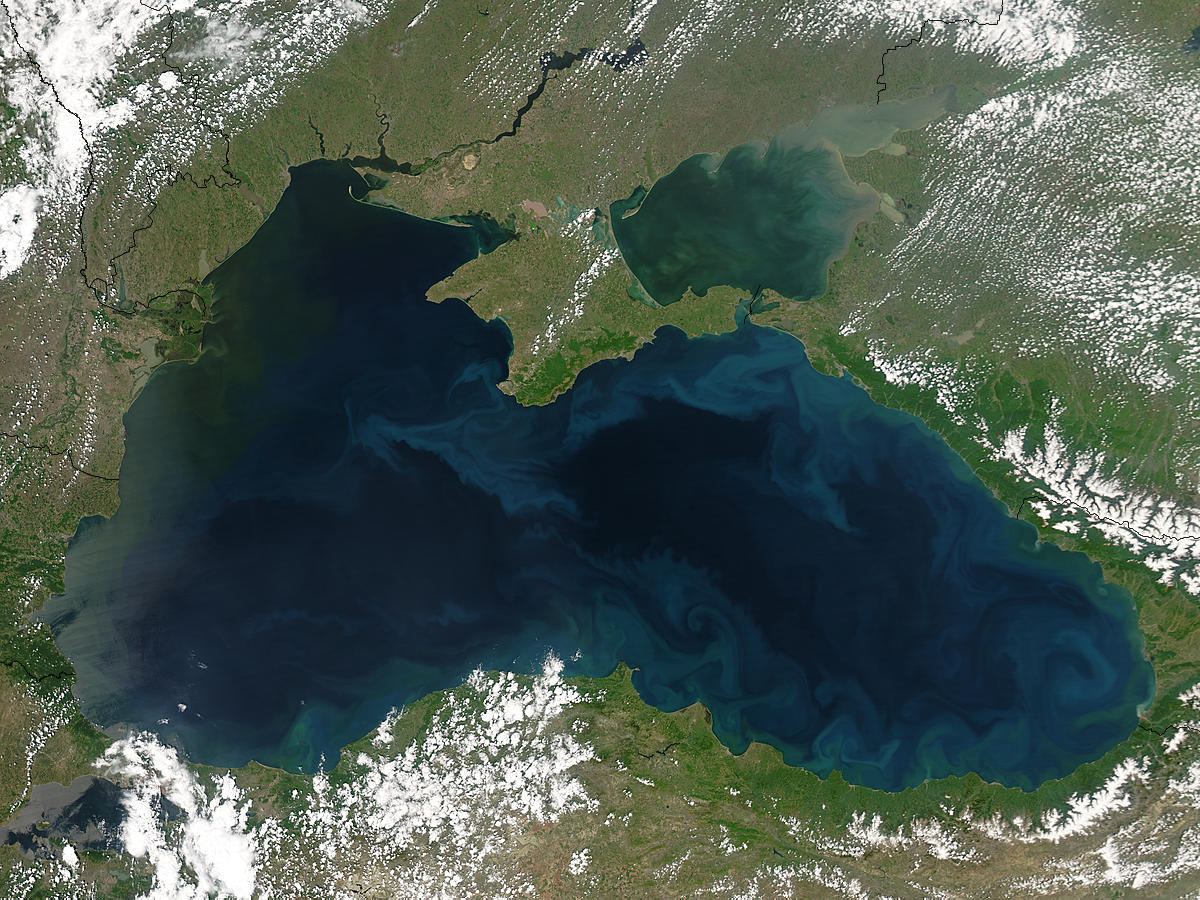
Turkish officials have consistently underlined the importance of maritime security in the Black Sea, not only for Türkiye's own commercial fleet but also for global food and energy supply chains. Since the collapse of the Black Sea Grain Initiative, Ankara has sought alternative arrangements to keep shipping lanes functional and to reduce the risk of miscalculation at sea.
Yet analysts note that short, ad-hoc ceasefire requests — even when diplomatically well-intentioned — may struggle to translate into tangible protection on the ground. Or, in this case, at sea.
"The challenge is not diplomatic access," one regional security observer noted. "It is enforcement, coordination, and timing — especially when military operations are already underway."
Questions for Turkish Shipping
The reported incidents have also revived debate within maritime and insurance circles about the vulnerability of Turkish commercial vessels operating near active conflict zones. Insurance premiums for Black Sea routes remain elevated, and shipowners continue to weigh commercial necessity against mounting security risks.
While Ankara has avoided escalating rhetoric, officials have emphasized that the safety of Turkish crews and vessels remains a priority. At the same time, the latest developments underscore a difficult reality: diplomatic engagement does not always provide immediate insulation from military escalation.
A Delicate Balancing Act
Türkiye's approach continues to reflect a careful balance — maintaining dialogue with Moscow, supporting Ukraine's territorial integrity, and positioning itself as a stabilizing actor in the Black Sea. However, the latest episode illustrates the limits of diplomacy when battlefield dynamics shift rapidly.
As the war enters another unpredictable phase, the key question is not whether Türkiye is engaging diplomatically — it clearly is — but whether limited ceasefire windows can realistically shield neutral commercial shipping from the spillover of a high-intensity conflict.
For now, Turkish shipping remains operational. But the warning signs in the Black Sea are difficult to ignore.
Ultimately, Erdoğan's initiative failed to prevent escalation, leaving Turkish shipping exposed and underscoring the narrowing space for effective mediation in the Black Sea.