
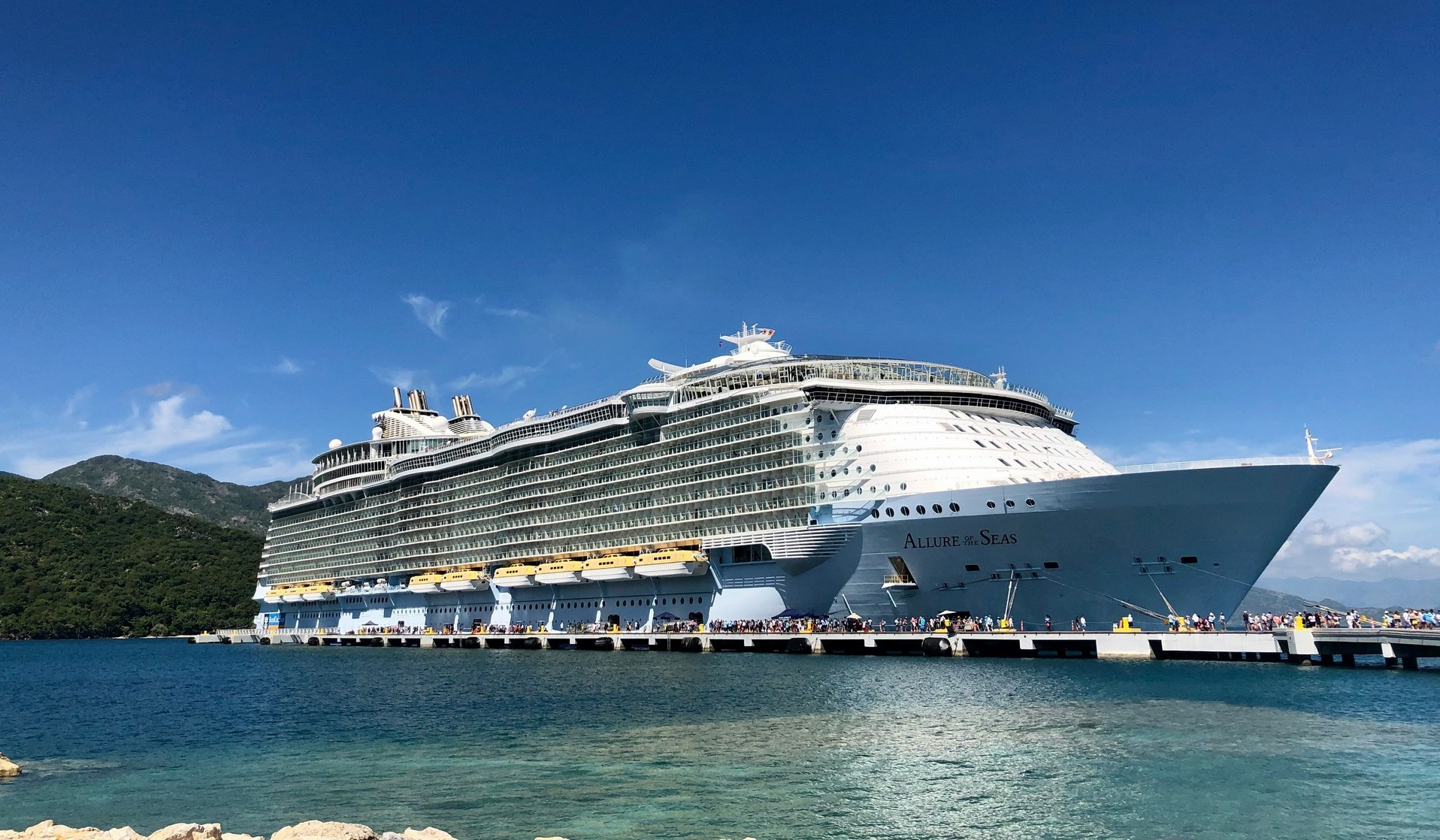
Luxury Cruise Rerouted After Istanbul Port Access Denied
On November 19, 2025, a scheduled stop for the Russian cruise ship, the Astoria Grande, was abruptly canceled when Turkish maritime authorities refused the vessel entry into the bustling Galataport in Istanbul. The ship, carrying approximately 600 passengers—predominantly Russian citizens—was forced to idle offshore for several hours before the captain received orders to abandon the docking and divert back to the Russian port of Sochi.
The incident marks a noticeable escalation of diplomatic tensions between Moscow and Ankara, which, despite maintaining close economic and energy ties, frequently find themselves at odds over Black Sea security and navigation protocols. For the hundreds of travelers who had paid for a multi-stop itinerary, the cancellation of Istanbul—often considered the highlight of the tour—led to widespread disappointment and a tense atmosphere aboard the vessel.
Turkish Minister Vowed 'Reciprocity' After Ferry Incident
The decision to block the Astoria Grande is not an isolated event but rather the fulfillment of a promise of "reciprocity" made by Turkish officials after a highly publicized incident earlier in the month.
Days before the cruise ship's arrival, Russian authorities had denied entry to the Turkish ferry Seabridge at the port of Sochi. The ferry had been attempting to relaunch the commercial and passenger sea route between the Turkish port of Trabzon and Sochi after a 14-year hiatus. Russian sources initially cited "security grounds" for the refusal, though the passenger list contained only a handful of Russian and Turkish citizens.
In reaction to the denial of the Seabridge, Turkish Transport and Infrastructure Minister Abdulkadir Uraloğlu was quoted stating, "Russia is at war and had difficulties there. We will apply reciprocity and will do the same." This public declaration foreshadowed the response levied against the Astoria Grande, which Russian state media quickly labeled as an act of "revenge" by Ankara.
While both Ankara and Moscow have refrained from providing specific, official confirmation regarding the Astoria Grande's refusal, the ministerial quote and the timing of the events leave little doubt that the cruise ship became the leverage point in a direct, retaliatory diplomatic maneuver.
Tension Underscores Black Sea Geopolitical Volatility
The current friction between the two Black Sea powers comes amid persistent regional instability stemming from the war in Ukraine. Türkiye, which has sought to maintain a delicate balance between Kyiv and Moscow, has been an active mediator while also navigating military issues in the strategic waterways.
The use of commercial vessels, particularly those associated with tourism, as instruments of geopolitical pressure is viewed by analysts as a low-cost, high-visibility tactic. For the Turkish tourism sector, which relies heavily on Russian visitors, the incident creates uncertainty. However, for now, the action appears focused on protecting Turkish economic interests and asserting its right to equal treatment in shared maritime commerce, rather than a broad sanction on Russian tourism.
The full consequences of this tit-for-tat measure on the broader diplomatic relationship and maritime trade in the Black Sea remain to be seen, but the incident clearly illustrates the volatile nature of the alliance between these two major regional players.