
By Bosphorus News Geopolitics Desk
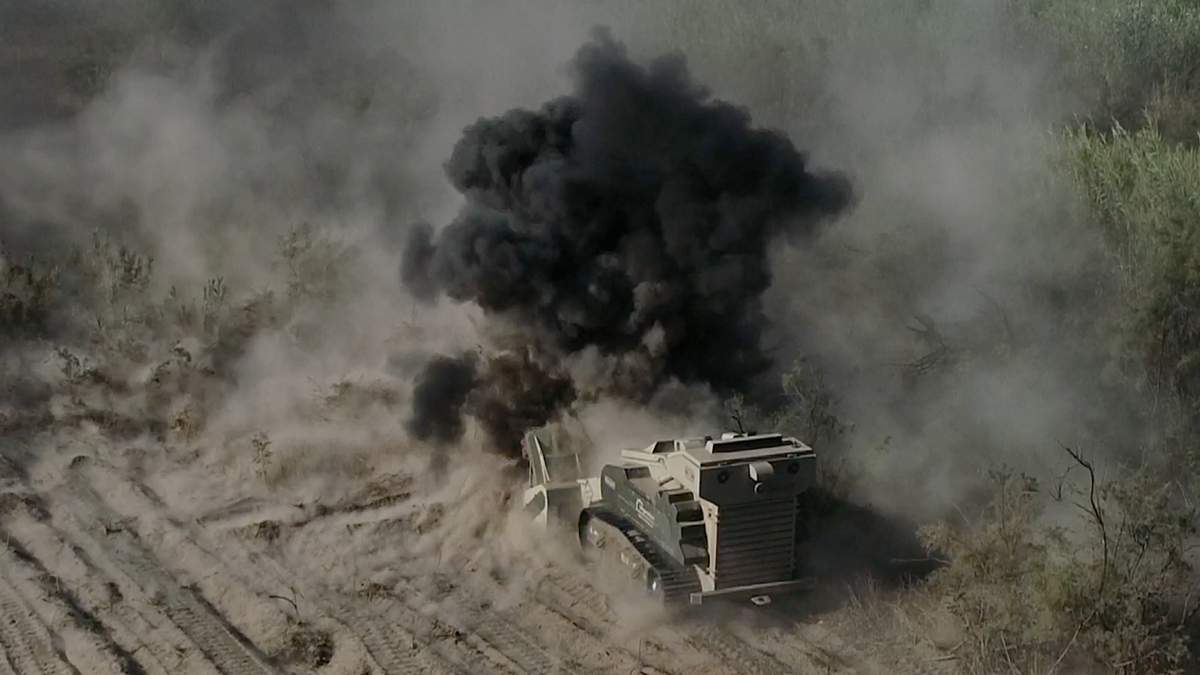
Azerbaijan marked International Mine Awareness Day on April 4 by warning that more than 13% of its territory remains contaminated by mines and unexploded ordnance, keeping demining at the centre of post-war recovery efforts while Türkiye highlighted the broader global threat posed to civilians.
The figure reflects a continuing reality shaped by data from the Azerbaijan National Agency for Mine Action, ANAMA, which has been tracking the scale and impact of contamination across territories affected by the 2020 war.
Earlier figures reported by Bosphorus News showed that ANAMA had discovered and neutralised 6,824 landmines in liberated areas, while 415 people had been killed or injured in mine incidents since the end of the conflict, underlining the persistence of risk on the ground.
The latest messaging expands that picture into a broader territorial frame. With more than one-tenth of the country still affected, mine contamination continues to delay reconstruction, limit agricultural use and slow the return of displaced populations, reinforcing ANAMA's position that clearance is a precondition for normalisation rather than a parallel process.
ANAMA has also taken on a more visible role in how Azerbaijan communicates the issue internationally, linking operational data with calls for increased external support and technical cooperation in humanitarian demining.
Türkiye's statements on April 4 added a second layer to the picture. In its message marking International Mine Awareness Day, the Turkish Foreign Ministry said mines and unexploded ordnance continue to pose serious threats to civilians worldwide and stressed the importance of international cooperation in mine action.
The Turkish Ministry of National Defence pointed to its own operational record, stating that 228,000 mines have been destroyed, giving Ankara a concrete reference point as it framed the issue in broader humanitarian and security terms.
The two lines intersect without merging. Azerbaijan is using ANAMA's data to show how mine contamination continues to shape the post-war environment on the ground. Türkiye is placing the same issue within a wider international framework, emphasising civilian protection and cooperation.
The underlying numbers keep the issue from slipping into the background. ANAMA's figures continue to describe a landscape where thousands of mines remain in place and hundreds of people have already been affected. The estimate that more than 13% of national territory is still contaminated extends that impact across large areas of land and economic activity.
International Mine Awareness Day often brings routine statements. This year's messaging stands on a consistent data line that has not shifted in a way that would reduce urgency. The contamination remains, the human cost remains, and the pace of clearance continues to lag behind the scale of the problem.