
Türkiye's long-running dispute with Washington over the S-400 missile-defense system may be approaching its most pivotal moment since 2019. BosphorusNews has learned, through diplomatic sources familiar with the discussions, that both capitals are now studying concrete options to overcome the impasse.
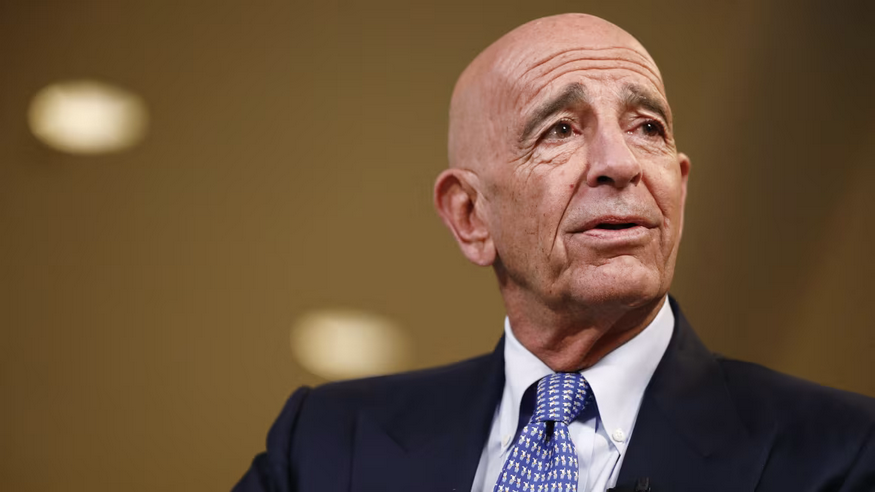
Confirming this shift publicly, U.S. Ambassador to Türkiye Tom Barrack stated that the "Russia hurdle" blocking Türkiye's access to the F-35 fighter-jet program could be cleared within four to six months. His remarks mark the strongest signal to date that the issue — once considered politically frozen — is now moving.
Behind the Scenes: A Redefinition of the Negotiation Space
According to information obtained by BosphorusNews, technical teams and political envoys have intensified consultation channels in recent weeks. Ankara is reportedly assessing several scenarios to neutralize the S-400 system in a way that addresses NATO security requirements without compromising Türkiye's broader strategic posture.
Some of these scenarios — previously speculated upon but never seriously advanced — include operational deactivation, long-term storage, or relocation of the system. The fact that they are now under discussion reflects a shifting security environment and a reassessment of Türkiye–U.S. defense interdependence.
A Strategic Convergence Driving the Shift
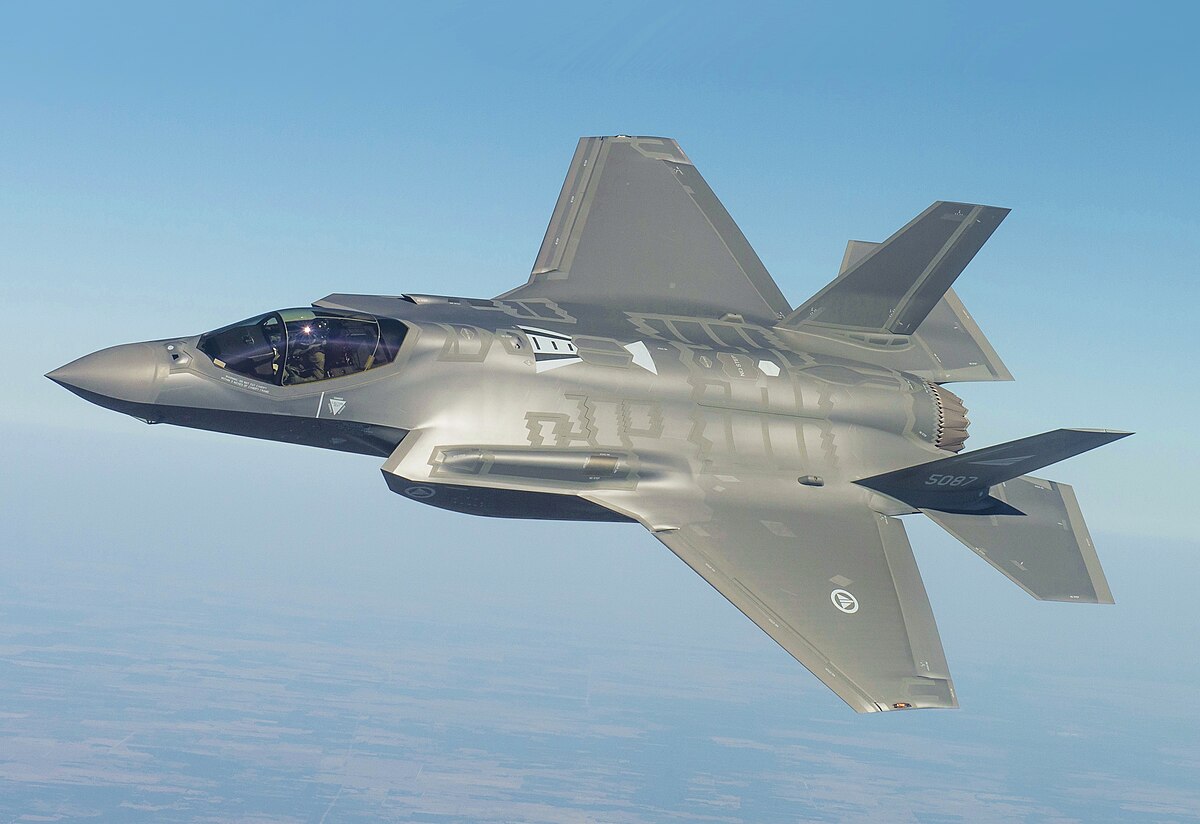
Türkiye faces a generational moment in its air-force modernization. The domestic KAAN fighter program is progressing, but analysts agree it will take time before it offers the mature operational capability that the F-35 provides today.
For Washington, a Türkiye equipped with fifth-generation aircraft reinforces NATO's posture from the Eastern Mediterranean to the Black Sea — an advantage the alliance has lacked since Türkiye's removal from the program six years ago.
Sources indicate that both sides now view a resolution as not only possible, but strategically necessary.
The Legacy of the 2019 Standoff
Türkiye's expulsion from the F-35 consortium came after the arrival of the Russian S-400 system. U.S. laws still prohibit the transfer of aircraft or related technology until the issue is fully resolved. For years, these restrictions rendered the dispute effectively untouchable.
Barrack's recent statements, however, suggest the administration has identified a viable path that could satisfy congressional and alliance concerns — provided Ankara agrees to the final terms.
Congress: Still the Decisive Arena
Even with progress on the S-400 file, Türkiye's return ultimately depends on Congress, where opinions on Ankara's defense behavior vary sharply. Diplomats familiar with the matter tell BosphorusNews that a detailed roadmap is being drafted to guide lawmakers through the technical and security safeguards involved.
Barrack's confidence in a four-to-six-month window implies that the executive branch is preparing for a sustained legislative effort once technical conditions are met.
Toward a New Chapter in Türkiye–U.S. Defense Relations
If finalized, the agreement would represent the most important reset in Türkiye–U.S. defense relations in over a decade. It would restore Türkiye's access to the world's leading fifth-generation fighter platform and repair a major fault line within NATO.
For now, the clearest indicator of this shift comes from Ambassador Tom Barrack — and from the signals BosphorusNews has independently confirmed: "the S-400 dispute is no longer an immovable barrier." A breakthrough may finally be within reach.