
By Bosphorus News Geopolitics Desk
The release of Alexandros Giotopoulos has moved from a Greek parole decision into a diplomatic dispute involving Türkiye, the United States and Greece's own judiciary.
Washington said it was "deeply disappointed" by the release of the convicted November 17 leader and urged Greece to take all possible steps to return him to prison. The US State Department also backed a Greek prosecutorial challenge seeking to overturn the parole decision, adding international pressure to a case that had already drawn a sharp response from Ankara.
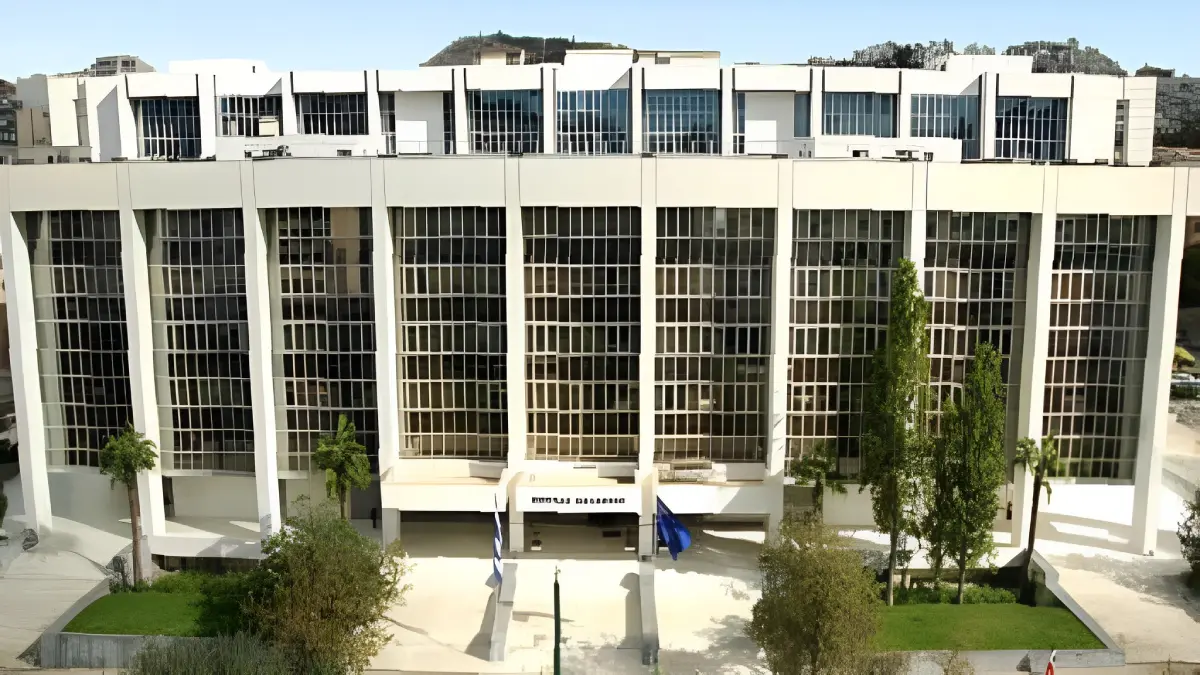
Giotopoulos, 82, was released on 21 May after a decision by the Piraeus Court of Appeals. He had served 24 years in prison after being sentenced in 2003 to 17 life terms plus 25 years for his role in November 17, the far-left militant group blamed for assassinations and attacks in Greece over several decades.
Greek reports said the conditions of his release included a ban on leaving the country, residence in Vyronas and regular reporting to police every 15 days. The release was justified on parole grounds, including age, health and time served, but Greek prosecutors moved quickly to challenge the ruling.
On 25 May, a deputy prosecutor at Greece's Supreme Court appealed the decision, arguing that Giotopoulos had not met the legal requirements for conditional release. That move gave Washington a legal opening to support the review without presenting the case only as a demand from outside Greece.
Türkiye had already condemned the decision on 22 May, saying Giotopoulos had been convicted over November 17 attacks linked to the killing of Turkish diplomat Çetin Görgü in 1991, the attempted assassination of diplomat Deniz Bölükbaşı the same year and the killing of embassy press counsellor Haluk Sipahioğlu in 1994. Bosphorus News previously covered Ankara's reaction in its report on Türkiye's condemnation of the November 17 leader's release.
The US statement widened the same file. Washington described Giotopoulos as the leader and mastermind of November 17 and recalled that the group killed American, British, Turkish and Greek targets. The organisation's victims included CIA Athens station chief Richard Welch, US military personnel, British defense attaché Stephen Saunders, Turkish diplomatic figures and Greek officials, businessmen and public figures.
The case now cuts across two pressures on Athens. Türkiye and the United States are treating the release as a terrorism and allied-security issue, rooted in attacks that targeted diplomats and foreign officials. Greek judicial bodies, meanwhile, have pushed back against outside criticism, arguing that foreign governments should not interfere with judicial independence.
That tension is the reason the case has not ended with Giotopoulos leaving prison. The parole decision reopened a file that Greece may see through legal procedure, while Türkiye and the United States read it through diplomatic memory, counterterrorism commitments and the protection of officials targeted by November 17.
The next step now lies with the Greek judicial process. If the appeal succeeds, Giotopoulos could be returned to prison. If it fails, Athens will still have to manage the political fallout. Washington's intervention puts the case inside the allied counterterrorism frame, but Ankara's reaction is the more sensitive one for Greece, because November 17 remains tied to a longer and more difficult record in Türkiye-Greece relations.
***Sources: US Department of State, Turkish Ministry of Foreign Affairs, Reuters, Associated Press, Kathimerini, Euractiv, Greek media reports, Bosphorus News.