
By Bosphorus News Geopolitics Desk
United Nations Secretary-General António Guterres is exploring a new diplomatic initiative on Cyprus as his term approaches its final phase, according to reports in Greek Cypriot media citing diplomatic sources.
The reports, primarily based on coverage by the Greek Cypriot daily Politis, suggest that Guterres wants to preserve the points of convergence reached up to the collapse of the 2017 Crans-Montana talks and leave behind at least a possible reference point for renewed diplomacy.
According to those accounts, discussions have centered on whether a new framework could be built around previously agreed elements rather than reopening every chapter from scratch. That reflects a wider concern in diplomatic circles that the Cyprus file is drifting further without even a minimal common basis.
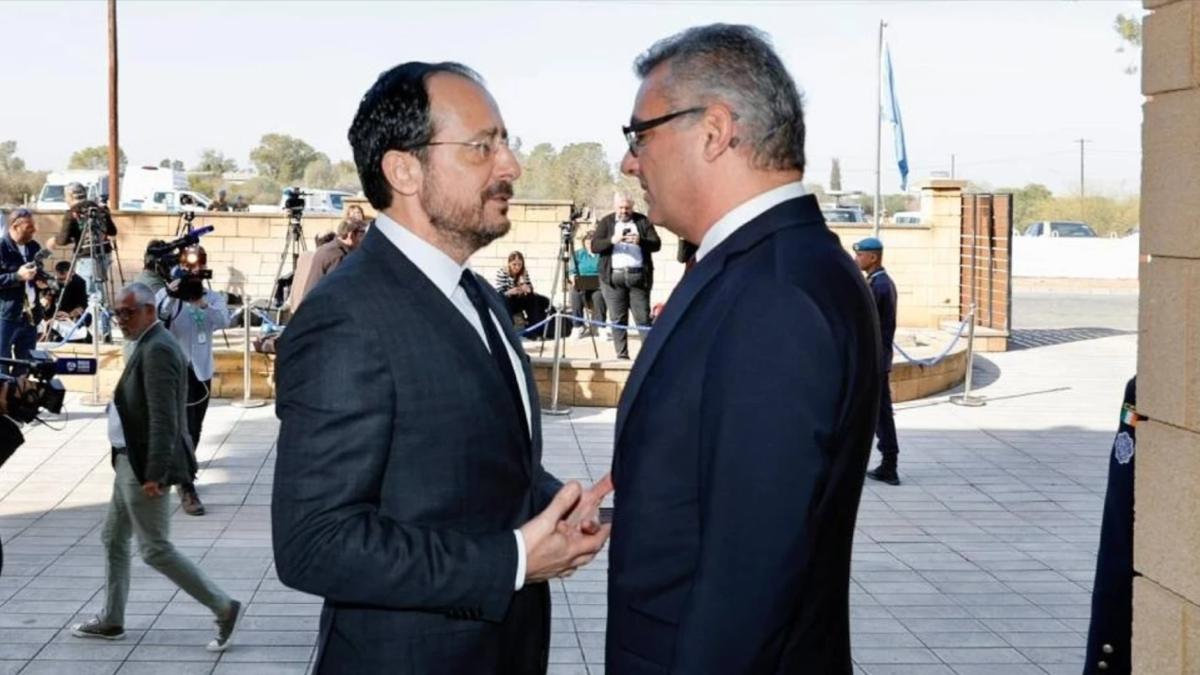
Separate reporting indicates that Guterres raised the issue in recent contacts with Greek Cypriot leader Nikos Christodoulides, stressing the need for a "mutual understanding" that could make a return to talks possible.
No formal proposal has been announced by the United Nations, and no new process has been launched. At this stage, what is visible is diplomatic probing rather than a defined negotiation format.
That discussion is unfolding against a backdrop of continuing tension on the island. Disagreements over new crossing points, together with disputes linked to religious access and symbolic sites, have again exposed how limited and fragile confidence-building measures remain.
At the same time, rhetoric from the Turkish Cypriot side continues to frame the issue through the island's legal and security architecture. As detailed in Bosphorus News reporting on TRNC President Tufan Erhürman's remarks on Türkiye's guarantor status, he has defended Türkiye's role under the 1960 Treaty of Guarantee, arguing that outside military involvement by non-guarantor states lacks legal standing while Türkiye's presence rests on treaty obligations.
"The Republic of Türkiye is the guarantor of the entire island," Erhürman said, rejecting criticism of Turkish military deployments and questioning the standing of other international actors operating around Cyprus.
In parallel, commentary circulating in regional media has begun to shift part of the focus away from Ankara as the main obstacle to movement. An opinion piece published in Cyprus Mail and cited in local reporting argued that the current deadlock is increasingly shaped by the political positioning of the Greek Cypriot leadership rather than by Türkiye's negotiating stance.
That remains a contested reading, not a settled diplomatic judgment. Still, the fact that it is gaining circulation shows how fractured the narrative around the Cyprus impasse has become, with each side trying to fix responsibility elsewhere while the political ground stays frozen.
No UN formula is on the table yet. But Guterres testing the ground again shows that Cyprus has not entirely disappeared from the diplomatic agenda. The harder reality is that none of the core obstacles has moved. The mistrust is still there. The red lines are still there. So is the unresolved question of who is expected to take the first meaningful step.