
By Bosphorus News Geopolitics Desk
Britain is dealing with two separate base crises within weeks of each other. One is visible and immediate. The other is legal and unresolved. Both expose the limits of a system built at the end of empire and carried forward with few changes.
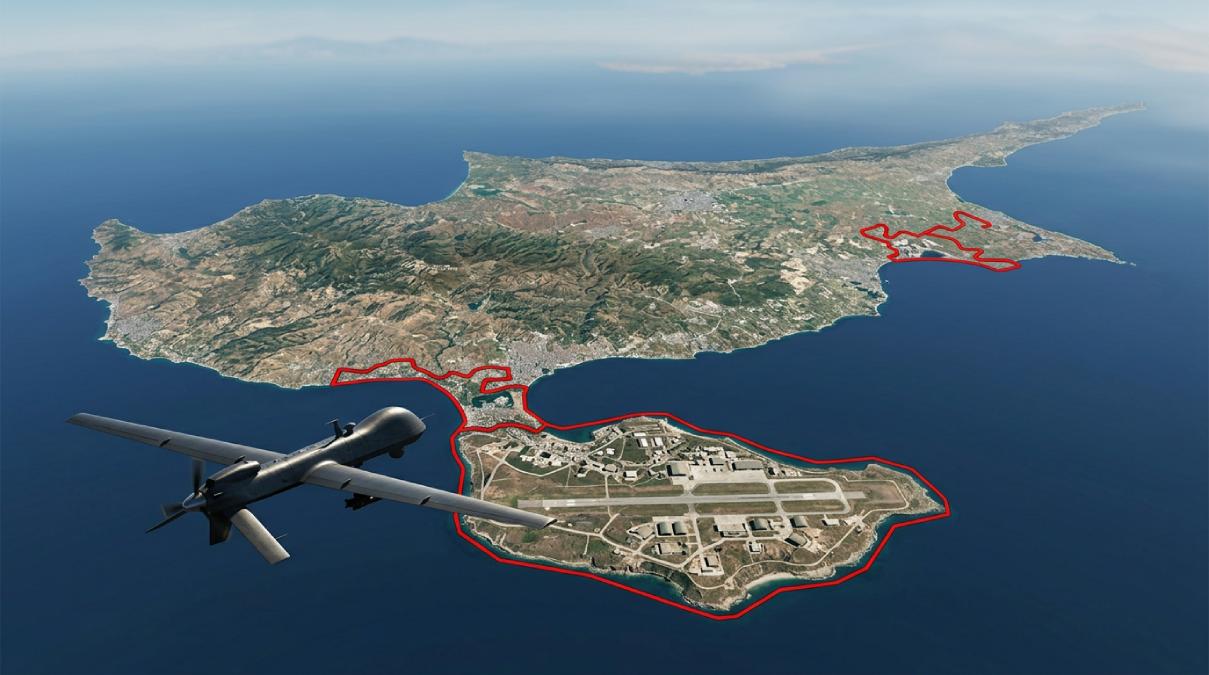
At RAF Akrotiri in Cyprus, the pressure came from the air. On March 1, a loitering munition struck the runway, landing close to British personnel. There were no casualties, but the message was clear. The base now sits within the operating range of a regional war. Follow-on drone activity in the days that followed reinforced that reality.
The military response was rapid. Additional combat aircraft were deployed. Naval air-defence coverage was strengthened. Allied support followed. Greece and France moved assets into the area. Bosphorus News reported at the time that Athens sent air and naval cover to Cyprus as drone threats grew, while Nicosia's frustration over the British bases intensified after UAV alerts near Akrotiri. The base remained operational.
The political response did not settle as quickly. In March, Cypriot President Nikos Christodoulides called for "an open and frank discussion with the British government" on "the status and the future of the British bases in Cyprus," describing them as a colonial legacy. Bosphorus News had already traced how the Iran war sharpened local opposition to the bases, with activists warning that Cyprus should not become a "launch pad" for wider regional operations. Talks opened later that month. London's position has not shifted. Sovereignty is not on the table. The discussion continues regardless.
That debate is now intersecting with a broader shift on the island. Cyprus is moving deeper into European defence planning. A France-Cyprus Status of Forces Agreement is expected to be finalised in June, creating a formal legal basis for a sustained French military presence. The island is no longer just a host to legacy British infrastructure. It is becoming part of a wider Western military network.
The second pressure point is further east, at Diego Garcia. There, the issue is not a strike but a treaty that cannot move forward.
In May 2025, Britain and Mauritius agreed on a deal to transfer sovereignty over the Chagos Archipelago. The arrangement would have allowed Britain to retain the military base at Diego Garcia under a long-term lease. The United States, which operates from the base, initially supported the agreement.
Then the Trump administration reversed its position. On January 20, 2026, Donald Trump called the deal "an act of great stupidity" and "total weakness," and in February warned against "giving away Diego Garcia," arguing the base could be needed for operations against Iran. The required legal step to amend the 1966 US-UK framework never followed. Without US consent, Britain cannot pass the enabling legislation.
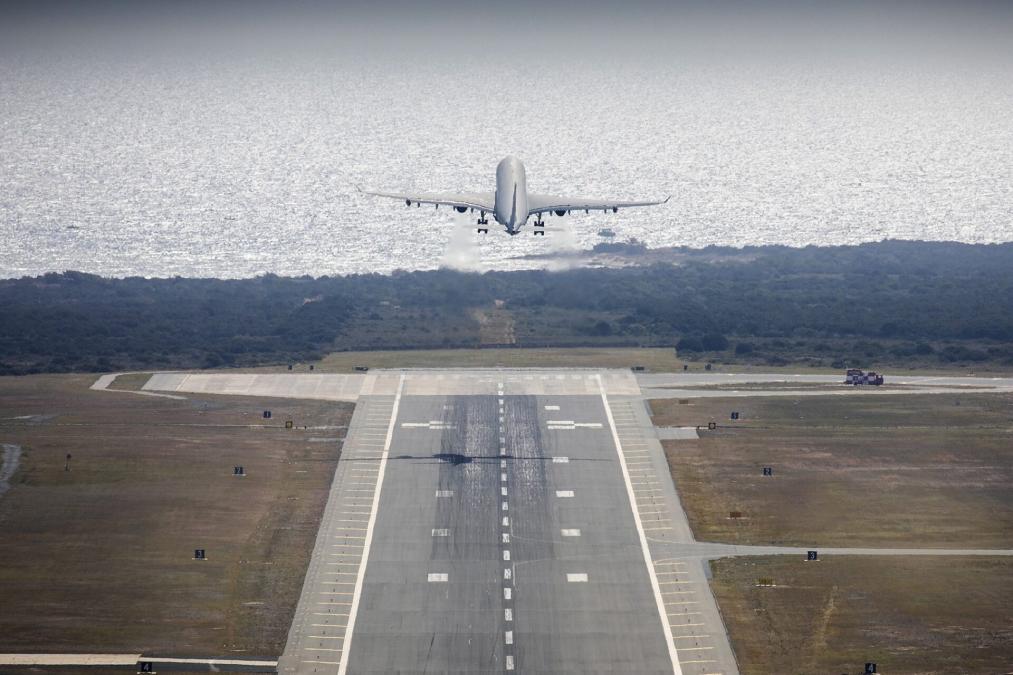
In April, it was confirmed that the Diego Garcia Military Base and British Indian Ocean Territory Bill would not complete its parliamentary stages before the session ends, leaving the treaty signed but unworkable. Dr Tom Frost, a legal expert at Loughborough University, put the constraint plainly in April: without US consent, Britain "will not be able to pass legislation," and the UK-Mauritius treaty "cannot be put into effect."
The contrast between the two cases is sharp. Cyprus is a live security environment. The base is active, defended and politically contested. Diego Garcia is stable in operational terms but uncertain in legal terms. One faces immediate risk. The other faces long-term ambiguity.
The underlying problem is the same. Both arrangements date back to the moment of decolonisation. Both assumed durability. That assumption is now under strain.
In Cyprus, the 1960 settlement created sovereign base areas that sit outside the authority of the Republic of Cyprus. That structure held for decades because the island was not directly exposed to regional conflict. That condition has changed. The bases are now part of a live theatre, and their status is being questioned in that context.
In the Indian Ocean, the 1965 separation of the Chagos Archipelago from Mauritius was treated as permanent. International legal rulings have since challenged that foundation. Britain accepted that pressure in 2025 by agreeing to transfer sovereignty. It cannot complete that shift without US approval.
In both cases, Britain depends on partners to maintain its position. At Akrotiri, it relies on allied deployments and political backing to manage a more complex security environment. At Diego Garcia, it depends on Washington to move a deal it has already signed.
The next developments will come on different timelines. In Cyprus, the expected France-Cyprus agreement will add another layer to the island's military structure and raise further questions about coordination, authority and long-term balance. In the Chagos case, Mauritius is likely to return to international forums while London waits for a shift in Washington's position.
Britain's basing network remains operational, but the terms under which it operates are no longer settled. Akrotiri and Diego Garcia are not weakening because the runways, radars or naval facilities have lost value. They are under pressure because the legal and political bargains behind them belong to an earlier era. London can still defend the bases militarily. It can still rely on Washington, Paris and other partners when pressure rises. What it cannot do as easily is assume that post-imperial arrangements will remain uncontested simply because they have survived for decades.