
By Bosphorus News Geopolitics Desk
Türkiye has delivered 38 containers of humanitarian aid to Lebanon, while Greece has carried out a separate relief operation through its armed forces, bringing two different regional delivery models into the same crisis at a moment when demand for outside support is intensifying.
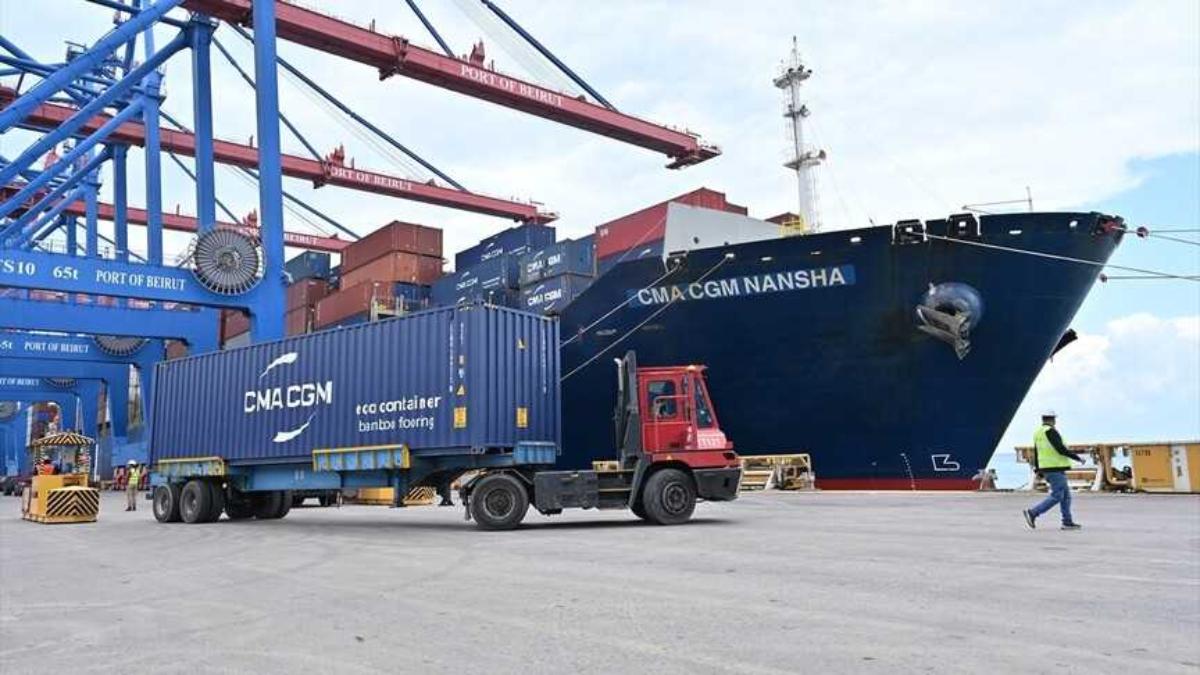
The Turkish shipment, weighing about 360 tons, arrived at Beirut Port with food, clothing, hygiene supplies, baby products and other essentials prepared by aid groups including İHH and Sadakataşı. Lebanese officials received the cargo alongside Türkiye's ambassador to Beirut, Murat Lütem, who said total aid sent from Türkiye has already exceeded 1,700 tons and that a much larger package is now being prepared through official institutions.
That combination gave the Beirut delivery a broader meaning from the outset. The cargo did not arrive as a stand-alone civil society initiative. It was received in the presence of Lebanese state representatives and accompanied by a clear public signal that Ankara is preparing to widen the effort through official channels.
Greece moved through a narrower but fully state-run structure. The Hellenic Republic Ministry of National Defence said the mission was carried out by the armed forces in coordination with the foreign ministry and the Lebanese Embassy in Athens, with a Hellenic Air Force cargo aircraft and personnel from the Special Warfare Command taking part while the National Operations Centre monitored the operation.
The contrast begins with the mechanics of delivery. Türkiye moved a far larger shipment by sea through established aid networks working alongside diplomatic channels, while Greece used a smaller airlift organized directly through ministries and military assets. Both countries sent relief to the same destination, but they did so through different institutional habits and with different levels of logistical reach.
Lebanon is receiving that assistance while the south remains under pressure from continued Israeli operations, with displacement, strain on basic services and restricted access all feeding a heavier humanitarian burden. In that setting, incoming aid is judged not only by volume but by how quickly it reaches the ground and how reliably the channel behind it can be sustained.
A new round of talks between Israeli and Lebanese officials is due in Washington, where ceasefire terms, withdrawal and border issues are expected to return to the table. Humanitarian deliveries now sit close to that broader political setting because they reveal which outside actors have working access, active coordination and the capacity to remain present as the Lebanon file becomes more crowded.
The Turkish delivery reached Beirut with 38 containers of food, clothing, hygiene supplies, baby products and other essentials at a moment when Lebanese institutions and aid channels are struggling to keep pace with growing need. Greece's smaller official shipment arrived through a different route, but it answered the same pressure. In Lebanon, these deliveries are measured first by what they put on the ground for civilians, and only then by the political meaning that follows them.