
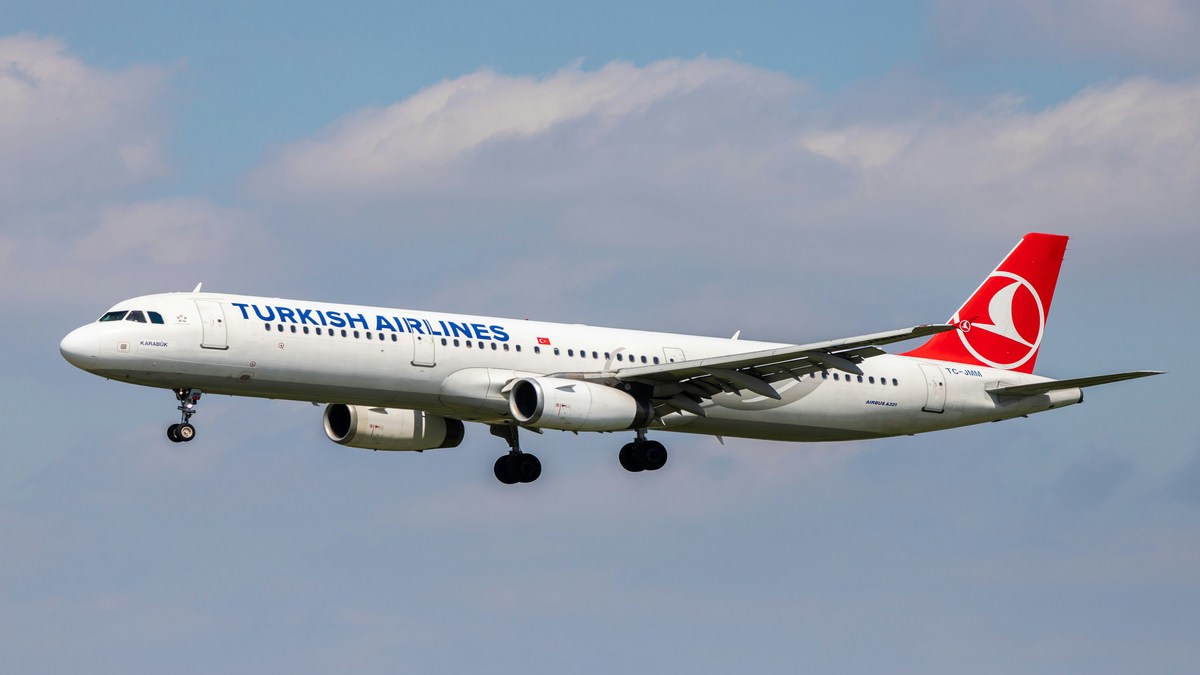
Turkish aviation journalist, Ali Kıdık, has claimed that Turkish Airlines placed him on a temporary no-fly list in response to his critical reporting on the carrier's operations.
According to Kıdık, he was notified through an official communication that he would not be accepted on Turkish Airlines flights for a six-month period. The notice reportedly referred to conduct deemed incompatible with the airline's internal rules and cited a passenger monitoring mechanism, without specifying any concrete violation.
Kıdık says the restriction followed articles and social media posts in which he raised concerns about operational practices and passenger experience. Among the incidents he cited was a long-haul Kuala Lumpur service, where he reported persistent cabin noise that he said significantly affected passengers during the flight.
In a post on X, Kıdık described the measure as retaliation for critical journalism rather than a response to any passenger misconduct. "Blacklisting a journalist for aviation reporting is censorship, not professionalism," he wrote, arguing that journalism's role is to scrutinise safety, operations and accountability, not to function as corporate public relations.
In a longer written statement, Kıdık rejected the airline's stated reasoning, saying no flight safety issue, operational disruption or disciplinary incident had occurred. He described the justification communicated to him as vague and unsupported, and said that excluding a journalist solely on the basis of critical reporting raised serious concerns for press freedom.
Kıdık also stated that his reporting has included positive coverage when warranted and that his work has consistently aimed at improving industry standards rather than targeting any single institution.
Turkish Airlines has not publicly addressed Kıdık's specific allegations at the time of writing. While airlines often cite broad discretion under their conditions of carriage, using such authority in response to critical journalism risks blurring the line between operational governance and the suppression of scrutiny. In a safety-critical and highly regulated industry, restricting independent reporting raises questions not only about press freedom, but also about transparency and accountability.