
By Bosphorus News Defense Desk
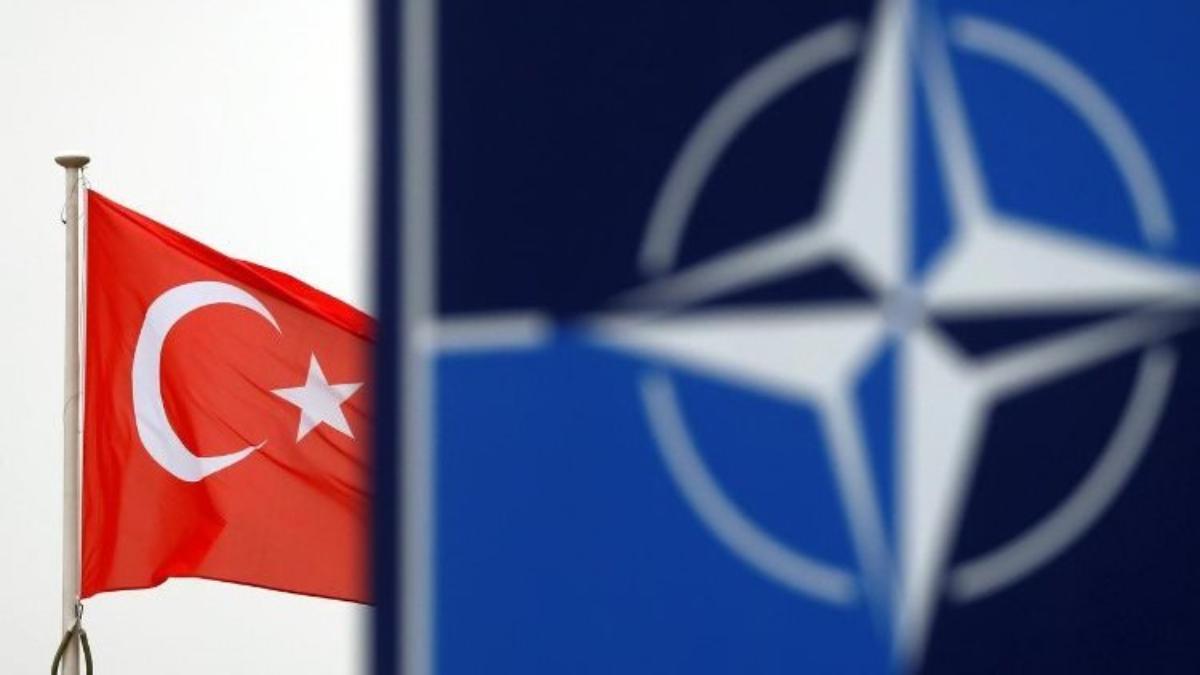
Defence Minister Yaşar Güler said on April 10 that Türkiye will assume command of the North Atlantic Treaty Organization's Allied Reaction Force (ARF) from 2028 for a two-year period, with the role to be carried out through the Turkish Armed Forces' 3rd Corps in Istanbul. Güler made the announcement at a conference titled "NATO's Ankara Moment: Strategic Positioning for a Resilient Alliance," organised by the Presidency's Directorate of Communications and SETA in Ankara. The statement amounts to the first public confirmation of Türkiye's future place in NATO's new high-readiness force structure.
"We will assume command of the Allied Reaction Force, NATO's most critical and strategic force, from 2028 for a two-year period," Güler said at the event. In the same speech, he argued that Türkiye had moved from being a "frontline state" to becoming one of NATO's "central countries," linking that shift to the country's military capacity, defence industry gains and geostrategic position.
The Allied Reaction Force was approved by NATO leaders at the Vilnius Summit in 2023 and activated in July 2024 as part of the NATO Force Model, which replaced the older NATO Response Force framework. NATO describes the ARF as a multinational, multi-domain high-readiness force designed to provide faster response options across the alliance's areas of concern. It operates under the overall command of the Supreme Allied Commander Europe, while NATO Rapid Deployable Corps Italy (NRDC-Italy) has been designated as the ARF Headquarters for a three-year transition period until permanent structures are established.
That timeline gives added weight to the 2028 handover. It places Türkiye not at the edge of a temporary rotation, but at the point where NATO's new reaction-force architecture is expected to move beyond its initial transition phase. NATO's own ARF structure already assigns Türkiye the Air Component Command role for July 2025 to June 2026, indicating that Ankara's role in the force has been expanding before the future command window begins.
The operational backbone of that role will be the 3rd Corps, also known within NATO as NATO Rapid Deployable Corps Türkiye (NRDC-Türkiye), headquartered in Ayazağa, Sarıyer. That matters because the ARF command is not tied to the separate Multinational Corps Türkiye (MNC-TUR) initiative planned for Adana. The Istanbul-based 3rd Corps is the mobile high-readiness headquarters linked to NATO's deployable command structure, while the Adana track points to a different multinational corps format. Keeping those two roles distinct is essential to understanding what Güler actually announced.
The strategic value of the announcement lies in where it places Türkiye inside NATO's command chain. As the alliance reshapes its force posture after the launch of the new NATO Force Model, command of the ARF gives Türkiye a more central role in how rapid military responses are organised, prepared and directed. That is a larger development than a standard headquarters rotation, because it ties Istanbul directly to a command structure built for crisis response at very short notice.
The timing also stands out. Güler's announcement came one day after the end of Mavi Vatan 2026, the large-scale Turkish naval exercise held from April 3 to April 9 across the Black Sea, Aegean and Eastern Mediterranean, according to Turkish defence reporting. Read together, the exercise cycle and the ARF statement placed Türkiye's naval posture and NATO command role in view during the same week.
At the Ankara conference, Güler also criticised European security initiatives that exclude non-European Union NATO members, while arguing that Türkiye's contributions continue to shape the alliance's security architecture from the ground up. That leaves the ARF announcement carrying a second message beyond force planning: at a moment when parallel European defence frameworks are multiplying, NATO is still assigning Türkiye one of its most consequential future command roles.