
By Bosphorus News Geopolitics Desk
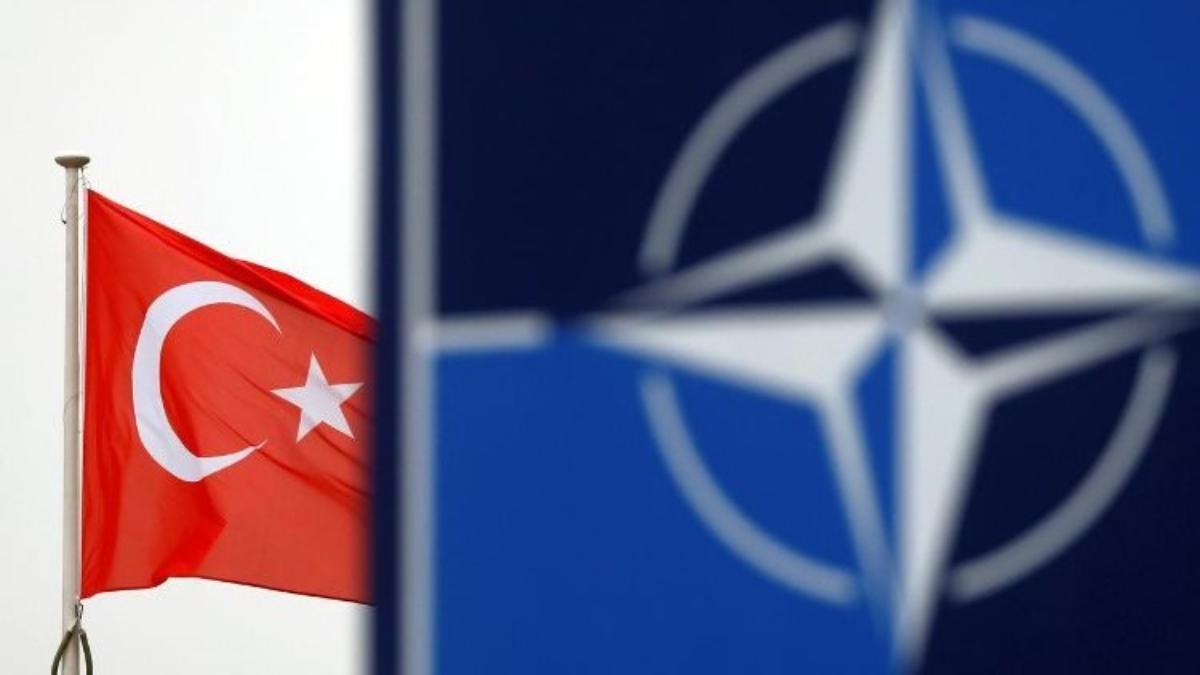
Türkiye will use this week's NATO foreign ministers' meeting in Helsingborg to press for the July 7-8 Ankara Summit to reaffirm the alliance's "unity and integrity," placing Ankara's summit agenda inside a wider debate over NATO cohesion, defence industry cooperation and Europe's exposed security edges.
Reuters reported on May 20 that Foreign Minister Hakan Fidan will brief allies on Türkiye's expectations for the Ankara Summit and highlight Türkiye's contributions to NATO, including what Ankara describes as its experience in converting defence expenditure into real capabilities. A Turkish diplomatic source also said Fidan will emphasise the need to develop transatlantic defence industry cooperation within NATO "without any restrictions."
That message is not only about Türkiye's own position inside the alliance. It also reaches the Western Balkans, where NATO is managing old instability, new military procurement risks and the political consequences of a changing international oversight model in Bosnia.
NATO Secretary General Mark Rutte's May 12 visit to Montenegro already tied the two files together. NATO said Rutte discussed transatlantic security, stability in the Western Balkans and preparations for the upcoming Ankara Summit during meetings with Montenegrin Prime Minister Milojko Spajić and President Jakov Milatović.
Montenegro is the clearest Balkan example of how NATO wants the region to appear in Ankara's wider security picture. Rutte highlighted the country's contributions to the alliance, including troops in NATO's Forward Land Forces in Latvia and Bulgaria, and personnel in KFOR, NATO's peacekeeping mission in Kosovo. That places a small Adriatic ally inside three different NATO files at once: the Baltic flank, the Black Sea and Balkan stability.
Bosnia's Oversight Shift Adds Political Risk
Bosnia is the softer but more fragile part of the same map. Reuters reported last week that the United States expects the next international peace envoy in Bosnia to have a more limited mandate after High Representative Christian Schmidt leaves the role in June.
The Office of the High Representative was created to oversee implementation of the 1995 Dayton peace accords and later gained powers to impose laws and remove officials. A shift toward a narrower mandate would mark a significant change in the Western model of managing Bosnia's post-war political structure.
The timing matters. Schmidt warned that rival ethnic leaders were working to dismantle Bosnia's state institutions, block reforms and spread inter-ethnic fear. Reuters quoted him as saying, "Peace, democracy, and constitutional order for Bosnia and Herzegovina should not be left to erode gradually and deliberately."
That warning gives the Bosnia file a direct place in the Ankara Summit context. NATO's unity message will sound incomplete if the Western Balkans are treated as a solved problem while the Dayton architecture enters a more uncertain phase.
The same question is also moving through the EU track. Brussels has begun treating gradual integration for the Western Balkans and Ukraine as more than an enlargement tool, using market access, institutional alignment and staged accession to stabilise Europe's eastern and southeastern neighbourhoods before full membership, as Bosphorus News reported.
Serbia's China Track Remains a Military Warning
Serbia brings a harder military edge to the same regional debate. Reuters reported in March that Belgrade had purchased Chinese CM-400AKG air-to-surface ballistic missiles, becoming the first European operator of the weapon.
Serbian President Aleksandar Vučić said Serbia had "a significant number" of the missiles and would acquire more, according to Reuters. The purchase fits Belgrade's wider balancing act: partnership with NATO and an EU membership track on one side, strategic ties with Russia and China on the other.
Croatia, an EU and NATO member, criticised the missile purchase as a threat to regional stability and a sign of a growing arms race in the Balkans. That concern is not separate from Ankara's NATO agenda. The alliance cannot discuss defence industry cooperation, burden sharing and deterrence without also watching how Chinese military technology enters Europe's southeastern security space.
Ankara's Summit Is Becoming a Flank Test
The Ankara Summit is therefore moving beyond the usual summit choreography. Türkiye wants the July meeting to send a clear unity message, but the surrounding map is crowded. Ukraine remains central. The Black Sea remains militarised. The Eastern Mediterranean is under pressure from Gaza, Lebanon and regional air-defence needs. The Western Balkans sit between all of these files as a persistent stability test.
Montenegro shows NATO's preferred model: a small ally contributing to wider alliance missions. Bosnia shows the risk of institutional drift if international oversight narrows before local politics stabilises. Serbia shows how China's defence footprint can enter a region still formally tied to Euro-Atlantic integration.
Türkiye's role gives the issue a sharper edge. Ankara is not a Balkan state, but it is one of the few NATO allies with political reach across the Western Balkans, operational weight in the Black Sea, military relevance on the southern flank and a summit platform in 2026. That combination makes the Western Balkans part of the Ankara agenda even when they are not the headline item.
The message Türkiye wants to take to Helsingborg is alliance unity. The test for Ankara in July will be whether that unity can cover the alliance's real geography, from the Baltic forward deployments to Kosovo, Bosnia, Serbia, the Black Sea and the Eastern Mediterranean.