
By Bosphorus News Sports Desk
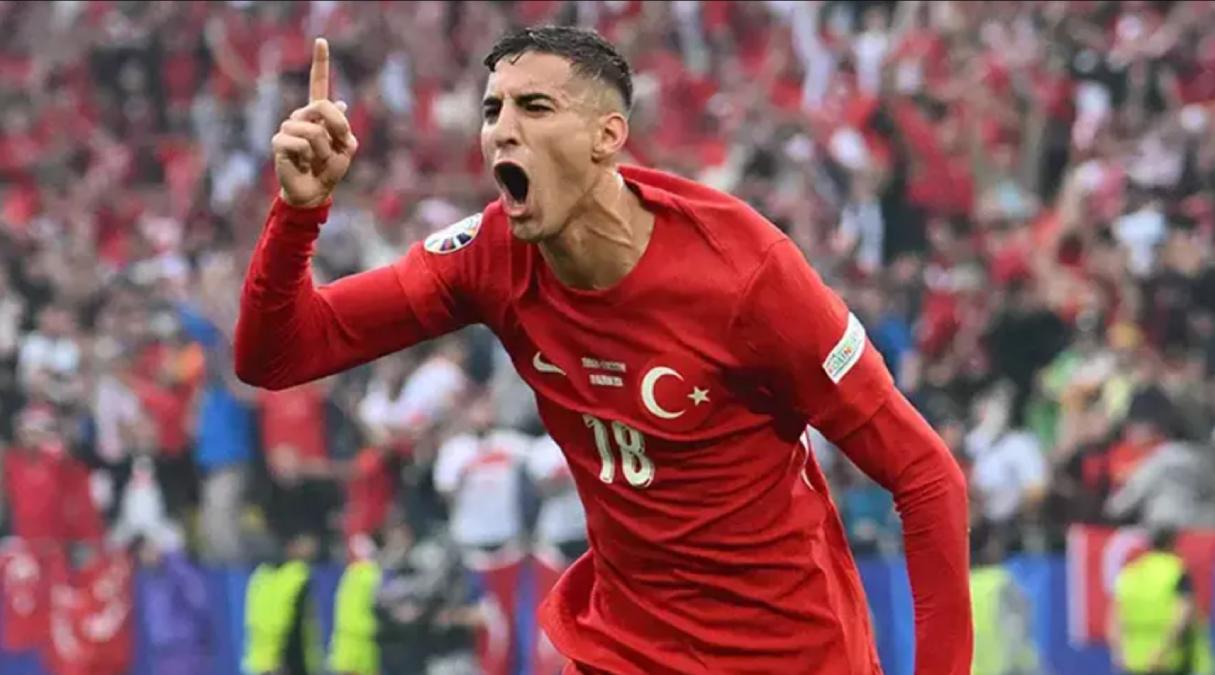
Türkiye's national team is regularly presented at home as proof that Turkish football is producing results. The current squad suggests something more uncomfortable. A growing share of the team's strength comes not from the domestic development system, but from players raised in European academies who later choose to wear the Turkish shirt.
In Vincenzo Montella's latest 30 man squad, 10 players were born outside Türkiye. That alone should force a more serious conversation about what exactly is being celebrated when the national team wins. These players are fully legitimate Turkish internationals. Their identities are not the issue, and neither is their right to represent the country. The real question is where they were formed as footballers, and what that says about the structure underneath the team.
Many of the most important names in the current setup came through football systems in Germany, the Netherlands, Austria and elsewhere before entering the national side. Their tactical education, academy discipline, training environment and early competitive pathway were shaped outside Türkiye. That matters because these are not minor details attached to the margins of the squad. They go to the heart of how the team now functions and where a meaningful share of its quality comes from.
This is the point that much of the Turkish media still avoids. National team success is too often framed as if it were a direct reflection of the health of Turkish football itself, as if the domestic academy structure had naturally produced the level now seen on the pitch. The squad data does not support that reading. What it shows instead is a hybrid model in which Türkiye benefits from football development carried out elsewhere and then presents the final output as a domestic success story.
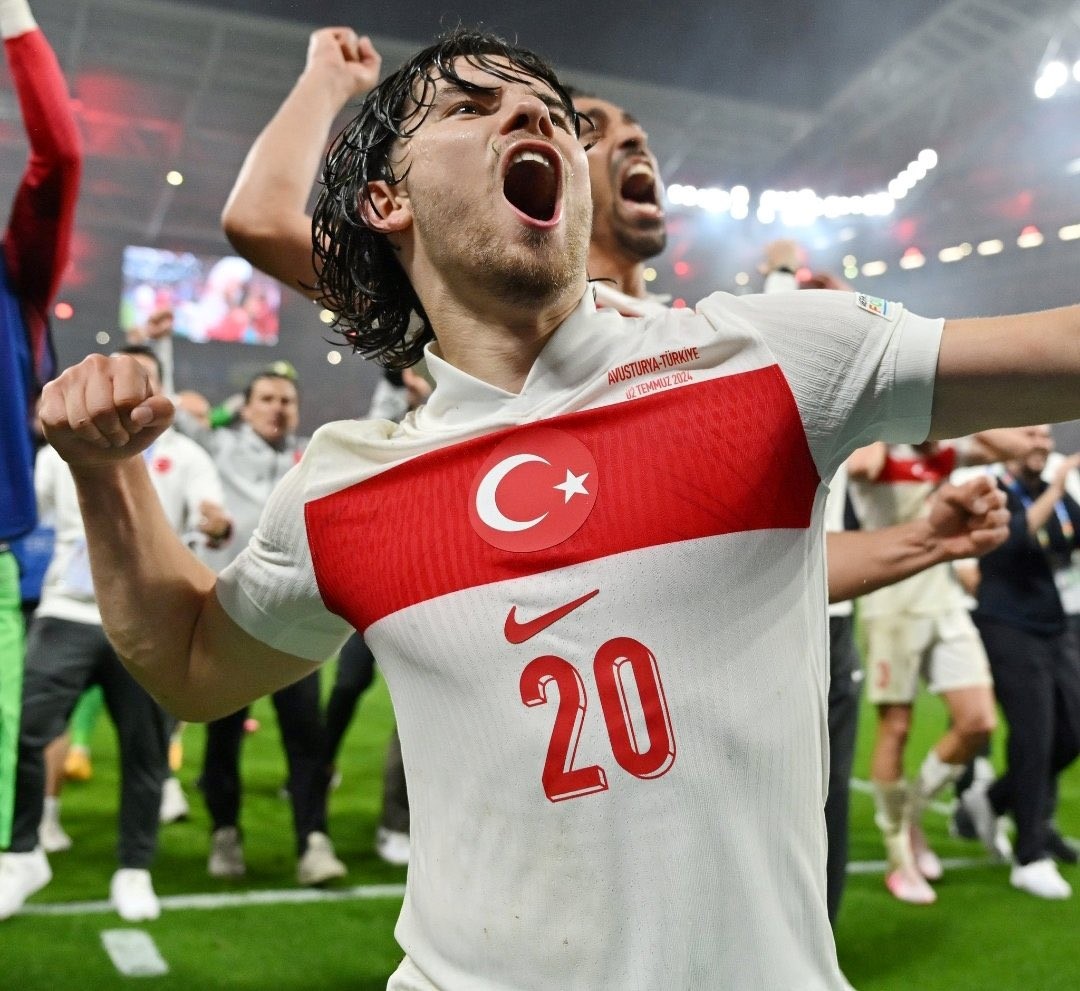
That gap between production and attribution is where the criticism belongs. The issue is not that diaspora players are somehow less Turkish. The issue is that football institutions and much of the media collapse two different things into one. Selecting Turkish players and developing Turkish players are not the same achievement. One belongs to recruitment, identity and national attachment. The other belongs to academies, coaching, infrastructure and long term player formation. Türkiye has clearly been more successful at the first than at the second.
The national team is not relying only on players whose football education was shaped abroad. It is also being led by Italian coach Vincenzo Montella, whose playing career, coaching formation and tactical outlook were built outside Türkiye before he entered the Turkish game. Once that broader picture is taken seriously, it becomes much harder to describe the current team as a simple product of Turkish football's own developmental strength.
That does not mean Türkiye has done nothing right. Convincing dual eligible players to choose Türkiye is not automatic. It requires outreach, timing, trust and a national team environment that players want to join. That is a real strength, and the federation is entitled to credit for it. But that success should be described honestly. It is a success in attracting talent, not decisive proof that the domestic football system is working as well as advertised.
The danger in misreading the team is that it reduces pressure for reform at home. If every good result is folded into a feel good story about the strength of Turkish football, the deeper structural weaknesses remain untouched. Youth development, coaching quality, academy standards and player pathways continue to sit behind the glow of the national team without being examined seriously enough.
That is why the current squad should be read carefully. It does not just show that Türkiye can compete. It also shows how that competitiveness is being assembled. A substantial part of the team arrives already shaped by systems outside the country. Pretending otherwise may be politically comfortable and emotionally satisfying, but it distorts the real picture.
Türkiye is not simply fielding the product of its own football development. It is fielding a team built partly through the diaspora and partly through foreign football systems that did much of the formative work. Until that is acknowledged more openly, the national conversation around the team will remain flattering, incomplete and fundamentally misleading.