
Bosphorus News Geopolitics Desk
Türkiye's National Intelligence Organization (MİT) brought 10 ISIS suspects from Syria after a cross-border operation coordinated with Syrian intelligence, reopening a file that reaches into the group's Türkiye network and the 2015 Ankara train station bombing.
Nine suspects were arrested after questioning by Türkiye's counterterrorism police. One remained in extended custody, TRT Haber reported on May 23, citing security information.
The operation targeted Turkish nationals who had crossed into Syria and joined ISIS. Turkish intelligence identified their locations, contacted the Syrian Intelligence Service and coordinated the field operation that led to their capture and transfer to Türkiye, according to the report.
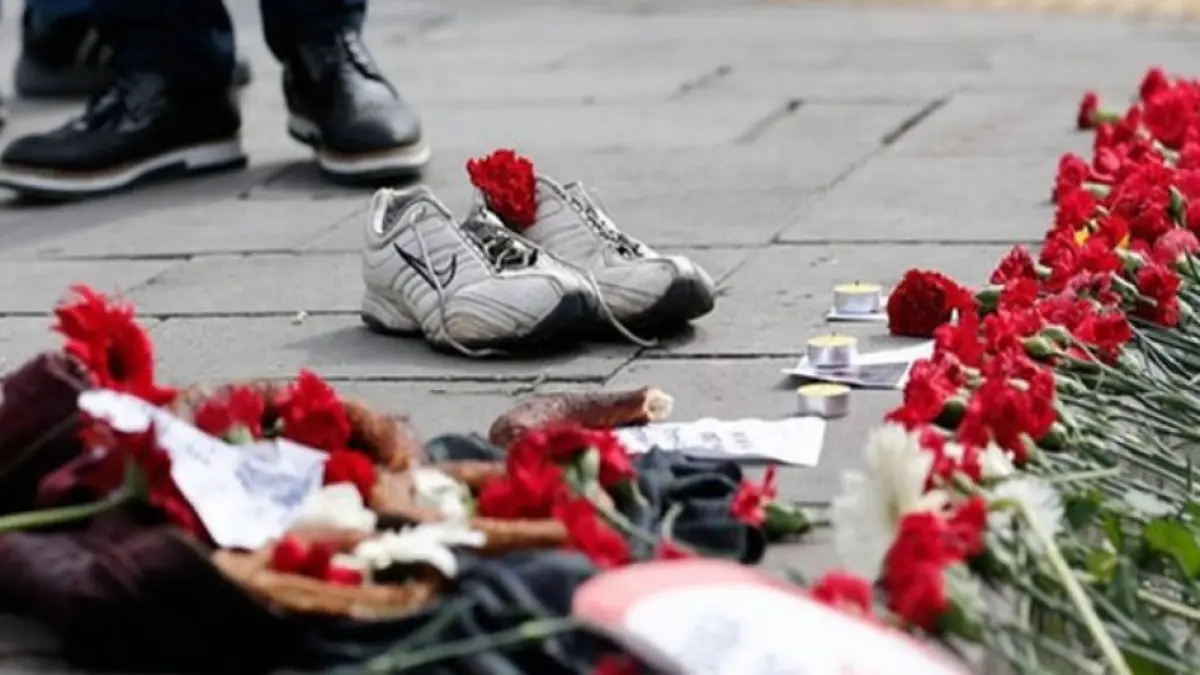
The Ankara link gives the case its domestic weight. TRT Haber reported that one suspect, Ömer Deniz Dündar, had ties to perpetrators of the October 10, 2015 Ankara train station bombing, which killed 109 people in one of the deadliest terrorist attacks in Türkiye's recent history.
Dündar reportedly crossed into Syria in 2014, joined ISIS and operated inside the group's Faruk Office and Türkiye Province structure. TRT Haber said his fingerprints were found on bomb mechanisms linked to two suicide-vest attackers captured in 2017.
The case also reaches into ISIS' Türkiye-facing intelligence network. One detained suspect, Ali Bora, was described as the group's so-called intelligence emir responsible for Türkiye. TRT Haber said Bora crossed into Syria in 2014, joined the Faruk Office and Türkiye Province structure, and was among those involved in planning three separate attacks against Turkish Armed Forces units.
The other suspects were named as Hüseyin Peri, Kadir Gözükara, Abdullah Çobanoğlu, Hakkı Yüksek, Kadir Demir, Çekdar Yılmaz, Murat Özdemir and İshak Günci. Turkish reporting linked them to ISIS activity in Syria, media work, logistics, armed structures or Türkiye-related operational networks.
Anadolu Agency also reported the operation, saying the suspects were wanted by red notice and captured in Syria through coordination between Turkish and Syrian intelligence. Reuters carried the case internationally, reporting that Turkish intelligence had captured 10 suspected ISIS militants in Syria and that one suspect was linked to the 2015 Ankara bombing.
The Syrian side has not issued a separate official statement confirming the operation. The sourcing therefore rests on Turkish security channels, TRT Haber, Anadolu Agency and international outlets citing the same case. The careful formulation is that Turkish security sources said the operation was coordinated with Syrian intelligence.
That sourcing distinction matters because the Syria channel is the strategic part of the story. The May 23 operation followed an earlier anti-ISIS case in March 2026, when Turkish intelligence shared information on a planned ISIS attack in Damascus with Syrian internal security and intelligence units. Syrian reporting at the time said a cell was disrupted and a vehicle loaded with explosives was neutralized.
The two cases show a visible 2026 track of Türkiye-Syria intelligence coordination against ISIS. Ankara is pursuing Turkish-linked ISIS suspects beyond its borders, using channels in Syria to locate wanted figures, disrupt attack planning and bring suspects back into the Turkish judicial system.
The timing also fits a wider regional detainee file. Reuters reported in February 2026 that Iraq said Ankara had agreed to take back Turkish citizens among ISIS detainees transferred from Syria to Iraq. That channel placed Türkiye before a growing legal and security problem involving its nationals tied to ISIS across Syria and Iraq.
The threat has remained active inside Türkiye as well. AP reported in December 2025 that Turkish authorities detained hundreds of ISIS suspects in nationwide operations after security alerts around possible attacks. The Syria operation adds a cross-border layer to that domestic counterterrorism campaign.
The May 23 operation gives Ankara a direct security message: ISIS' Türkiye network remains under pursuit, including suspects whose files reach back to the group's deadliest period of attacks inside the country. The loss of ISIS territorial control in Syria and Iraq did not close the Turkish file. It pushed parts of that file into dispersed networks, old routes and individuals who remained beyond immediate reach.
The Ankara train station bombing sharpens the point. The attack remains one of the most traumatic episodes in Türkiye's modern security history. A suspect linked to that file being brought from Syria to Türkiye allows the authorities to frame the operation as more than disruption. It is also a continuation of delayed accountability.
The Syria coordination angle gives the story its regional significance. Türkiye's security relationship with Damascus remains politically sensitive, but ISIS creates an operational field where interests can overlap. If that channel expands, it could shape how Ankara handles foreign fighters, Turkish ISIS members, border security and remnants of the group's cells across northern Syria.
The operation does not close the ISIS file. It shows how much of that file still sits outside Türkiye's borders, inside the networks and personal histories left by the Syrian war. Ankara is now pulling those fragments back into its courts through intelligence work that reaches beyond the border.
***Sources: TRT Haber; Anadolu Agency; Reuters; Al Jazeera; Al Arabiya; Asharq Al-Awsat; Alikhbariah; AP.