
Bosphorus News Geopolitics Desk
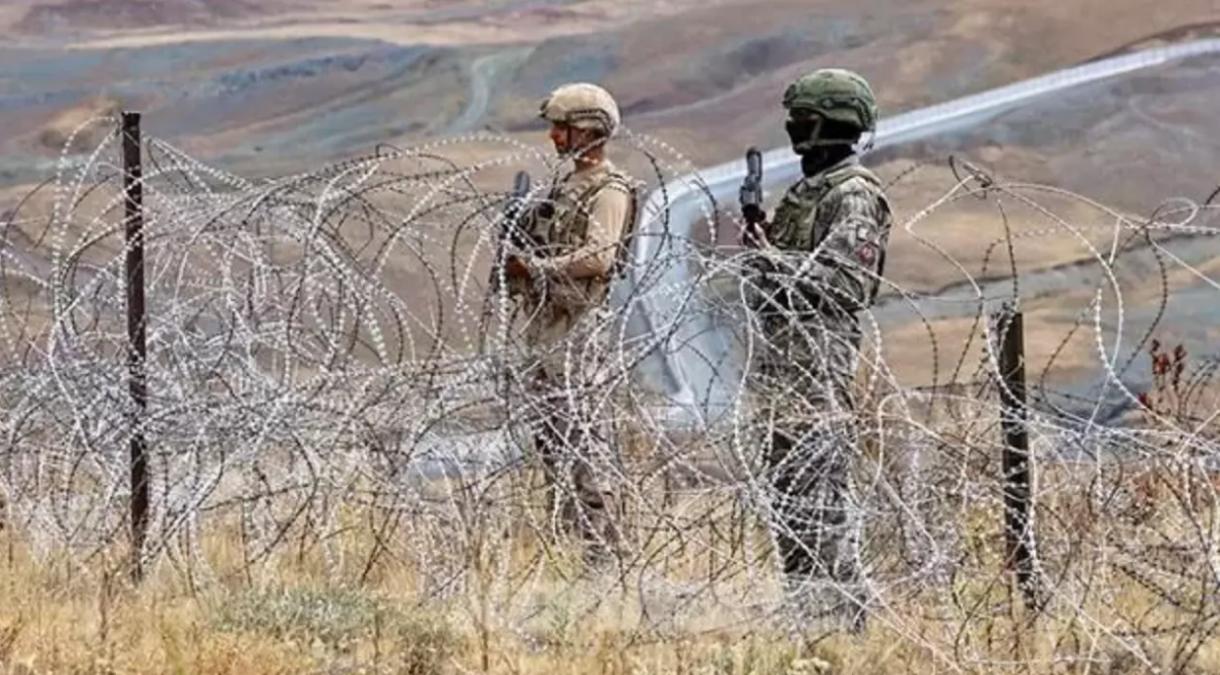
As talk of a wider US Iran escalation grows louder, Ankara is back to running border scenarios.
Türkiye learned in 2011 how quickly a border moment can turn into a domestic file that does not go away. The first Syrian arrivals, shaped by an early open door policy, turned what looked like a brief response at the line into a national challenge that reshaped politics, public tolerance, and state capacity. That memory helps explain why buffer zone language appears in Iran scenarios. The instinct is to stop a sudden surge from turning into a crisis that Türkiye has to manage at the fence, in public view, and at speed.
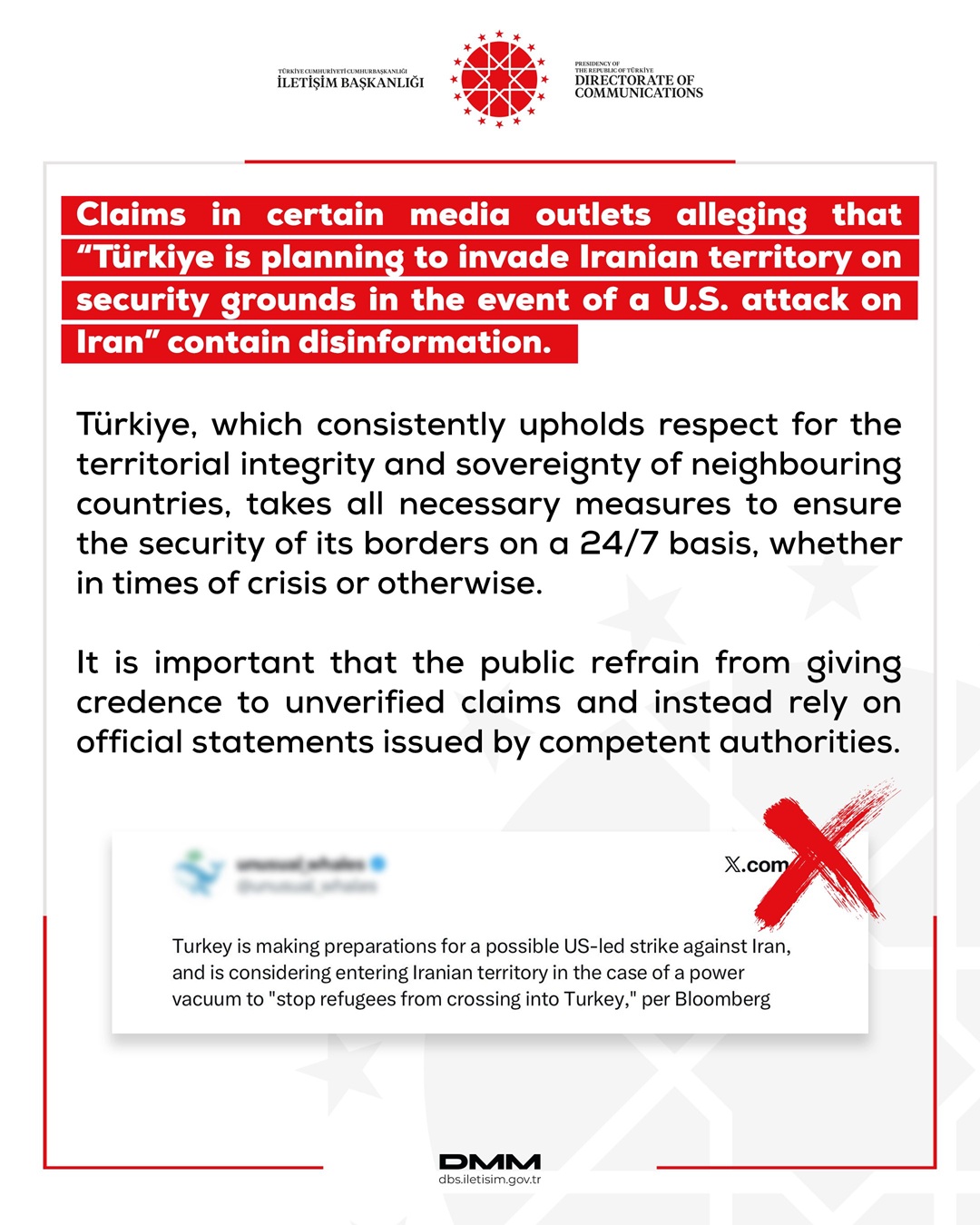
Bloomberg's reporting has put a sensitive possibility into the open. Ankara could consider a buffer zone concept on the Iranian side of the border to keep a migration wave from reaching Türkiye if the regional situation breaks sharply. It may never move beyond contingency talk, but it reflects a lesson from 2011. Timing mattered as much as capacity, and late reactions carried higher political costs.
Turkey's Directorate of Communications has also pushed back on the more expansive versions of that narrative. In a statement carried by its Disinformation Combat Centre, it rejected claims that Türkiye was planning to "occupy" Iranian territory on security grounds, while stressing respect for neighbours' sovereignty and the need to follow official statements.
The appeal of a buffer zone idea is domestic risk management. The aim is to keep a sudden movement from hardening into a political and administrative crisis. Once a large flow reaches the border, Ankara loses control over pace and public reaction, and events start dictating the agenda. Pushing management even a short distance beyond the line, if conditions can be kept time bound and tightly defined, could buy room for screening and basic organisation. A narrowly defined humanitarian corridor could preserve access for evacuation cases without turning the mechanism into an open ended entry route.
In practical terms, a buffer zone would be about managing a shock, not signalling a commitment to intervene. The objective would be to keep pressure off the border, while leaving space for tightly controlled humanitarian access if evacuation becomes the immediate problem.
There is a precedent for this kind of logic on the same border. In late 2001, after the US-led intervention in Afghanistan, the Iranian Red Crescent helped run two camps on the Afghan side of the border in Nimruz, Makaki and Mile 46. The point is not to draw a moral lesson from the episode. It is to remember that governments in the region have looked for time and control by keeping emergency management just across the line rather than absorbing a sudden movement inside their own territory.
The risk sits in the threshold the idea touches. Anything that resembles operating on Iranian territory raises sovereignty and legal questions, and it would force Ankara into a difficult diplomatic equation with Tehran at the very moment tension is rising. Inside Türkiye, the political margin is narrow too. That is why any workable form would need to stay technical, time bound, and tightly defined.
Even if the buffer zone idea never moves beyond scenario talk, it still shows how Türkiye is recalibrating border thinking under pressure. Ankara is trying to keep a migration shock from reaching the border, because once a large flow is at the line, the issue stops being a policy file and becomes a domestic one, as the Syria experience showed when a brief response hardened into a lasting political and administrative burden, and that is also why political tolerance at home and diplomatic thresholds with Tehran would ultimately determine how much room Ankara really has before events start setting their own tempo.