
By Bosphorus News Geopolitics Desk
Türkiye has signalled it could take part in demining operations in the Strait of Hormuz following a potential agreement between Iran and the United States, marking a possible shift from diplomatic positioning to operational involvement in the region.
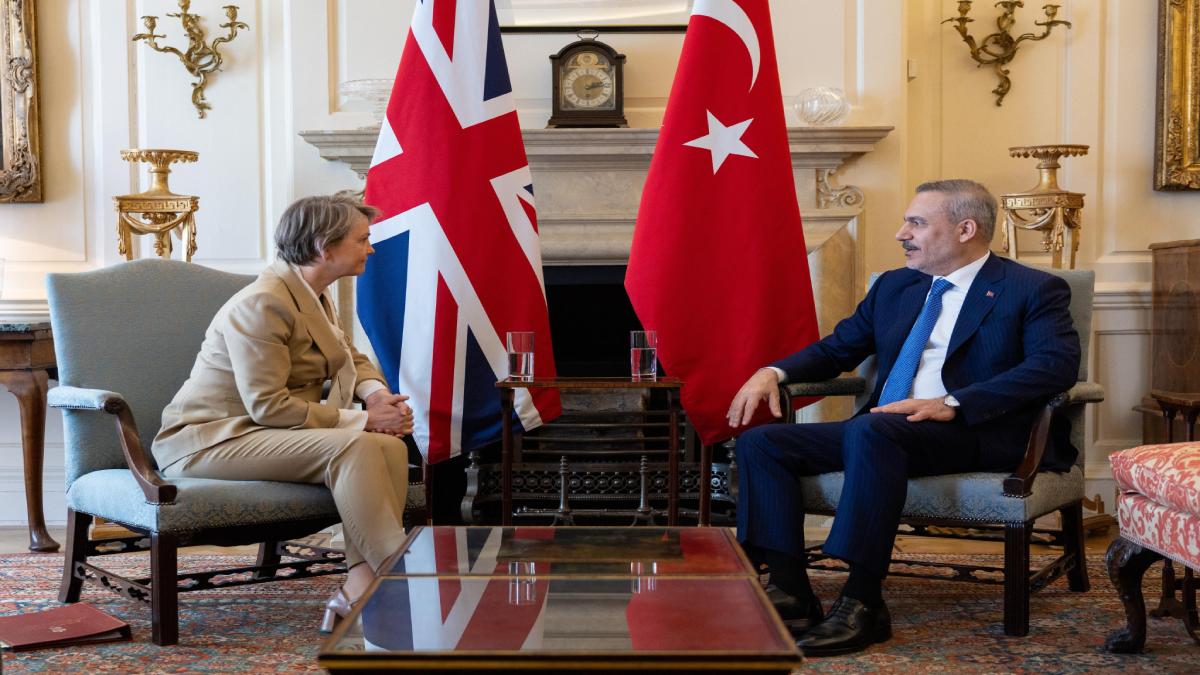
Foreign Minister Hakan Fidan said in London on April 24 that Ankara would support a technical coalition to restore safe navigation in the waterway if a peace framework is reached. "If Iran and the Americans reach an agreement and peace is achieved, a coalition could carry out technical work there, including mine clearance. There is no problem with that," he said.
Fidan confirmed that President Recep Tayyip Erdoğan has already instructed the Ministry of National Defence on the matter, describing any potential participation as a humanitarian effort rather than alignment with either side in the conflict.
He outlined two possible trajectories for the strait: a negotiated settlement restoring full freedom of navigation, or a breakdown in talks requiring a reassessment of Türkiye's position. "Some aspects align with our foreign policy and aspects that do not. Our president is clear on this matter," he said.
The remarks came as diplomatic efforts between Washington and Tehran collapsed on April 25 before talks could begin. Iranian Foreign Minister Abbas Araghchi had arrived in Islamabad for indirect negotiations, but US President Donald Trump cancelled the planned visit by envoys Steve Witkoff and Jared Kushner, citing dissatisfaction with Iran's proposal.
The Strait of Hormuz remains one of the world's most critical maritime chokepoints. Iran has deployed naval mines in the area, while US forces have targeted mine-laying assets in recent weeks. Any Turkish participation in post-agreement demining would represent its first direct operational role in the waterway since the crisis escalated.
Earlier the same day, speaking at a forum at the University of Oxford, Fidan said Israel's actions had "become a direct threat to global security," framing the current conflict environment as part of a broader structural shift in the international system.