
By Bosphorus News Geopolitics Desk
Türkiye issued two separate statements on April 8 targeting Greece's handling of the mufti institution in Western Thrace and Israel's strikes on Lebanon, while drawing renewed attention to an increasingly visible contrast: Ankara has lately signalled greater openness on long frozen Orthodox issues at home even as Athens shows no comparable shift on Muslim religious autonomy.
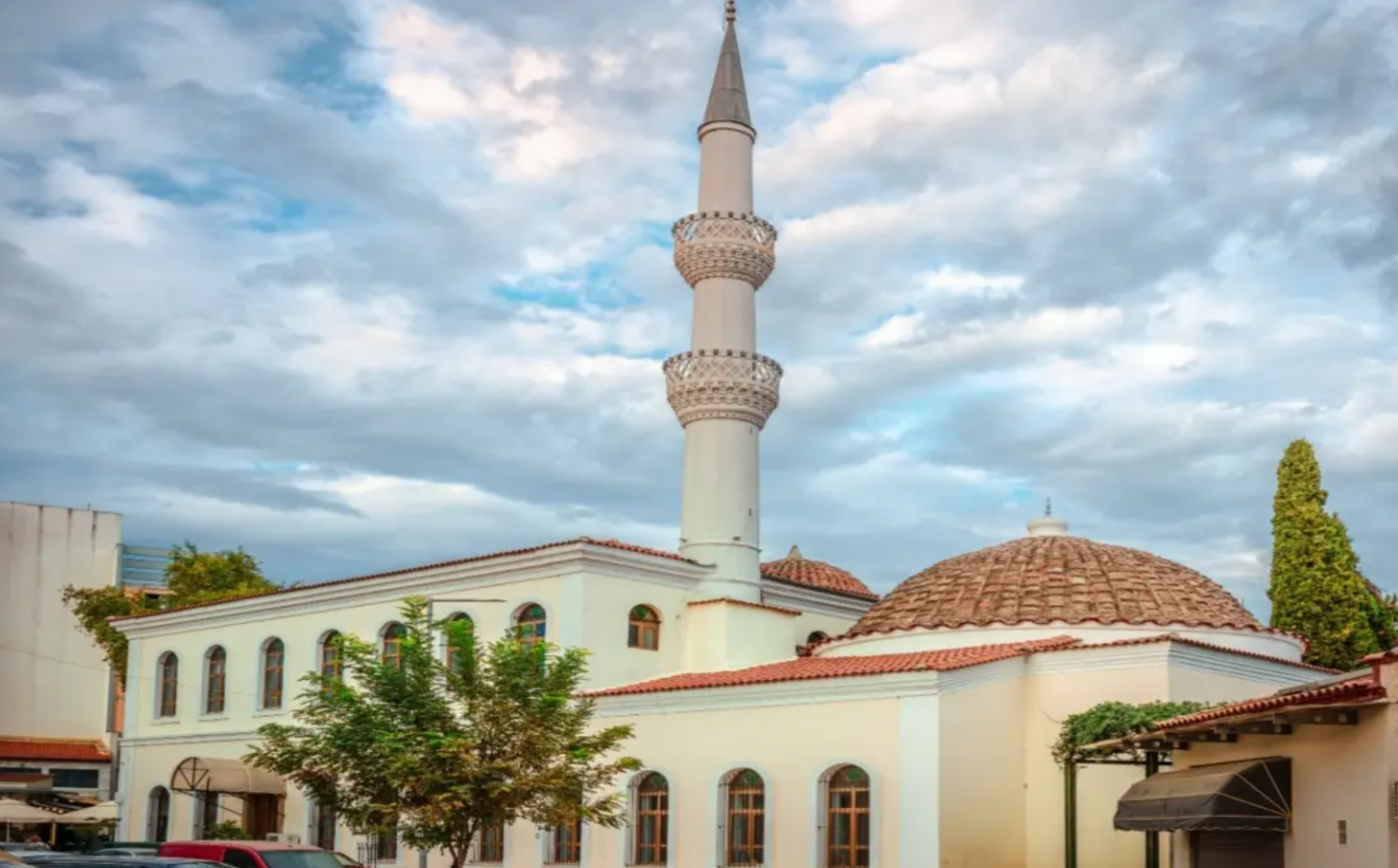
The Turkish Foreign Ministry said Greece was violating the acquired rights of the Turkish Muslim minority in Western Thrace through its handling of the mufti institution. Ankara said Athens does not recognise the minority's elected muftis and warned against further steps to entrench the appointed mufti system.
The statement framed the issue as one of religious freedom and minority rights rather than administrative procedure. Ankara said practices affecting the minority's religious leadership must comply with international law and Greece's obligations toward the Turkish Muslim minority.
The dispute also sits in a wider regional setting. Across much of the Balkans, Muslim religious leadership is generally shaped through internal community structures or recognised religious bodies rather than direct state appointment. That contrast has kept the Western Thrace mufti issue active beyond routine diplomatic exchanges.
The broader Eastern Mediterranean context gives the issue added weight. In late March, Turkish Cypriots were denied a planned Eid visit to Hala Sultan Tekke in Larnaca, prompting a formal protest from the Turkish Republic of Northern Cyprus. The episode again brought questions of religious access and communal rights into a politically sensitive setting.
A further layer of contrast is emerging in how the two countries handle religious institutions. In recent months, Türkiye has signalled greater openness on long-standing Orthodox issues, including renewed momentum around the possible reopening of the Halki Seminary in Istanbul. Greece, by contrast, has continued to defend its state-led framework in Western Thrace rather than moving toward a model based on communal religious autonomy.
That contrast is also visible at the level of political signalling. Ecumenical Patriarch Bartholomew continues to be received at the highest level in Türkiye, including by President Recep Tayyip Erdoğan, with state protocol that reflects institutional recognition, while Greece has shown no comparable shift on the Western Thrace file.
In a separate statement issued the same day, the ministry condemned Israel's attacks on Lebanon and warned that the strikes risk expanding the conflict at a time of already elevated regional tension. Ankara said the attacks showed disregard for international law and called on the international community not to remain silent.
The ministry said the strike on Lebanon pointed to a pattern of escalation that could undermine regional stability and increase the risk of a wider confrontation.
The two statements came as contacts between Greece and Türkiye continue under the confidence building measures track. That channel remains open, but the April 8 language showed that Ankara is not setting aside core disputes over minority rights.
Western Thrace remains an active political file for Ankara, and the government continues to raise it alongside regional security concerns, keeping both tracks visible at the same time.