
By Bosphorus News Energy Desk
Bayraktar Confirms Talks, No Deal Yet
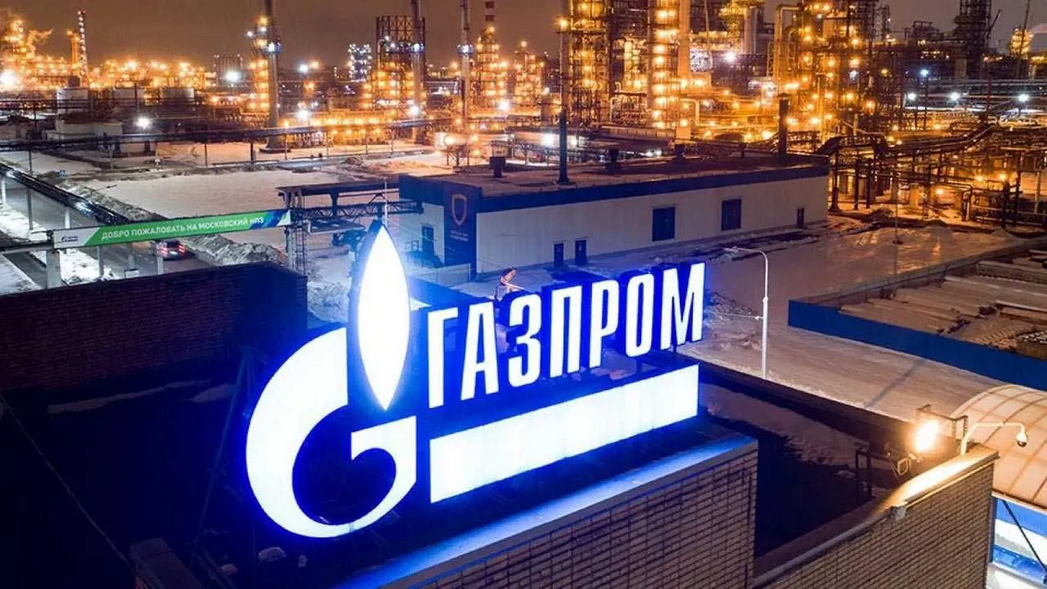
Türkiye's state gas importer BOTAŞ is in talks with Russia's Gazprom about renewing natural gas supply agreements beyond 2026, Energy Minister Alparslan Bayraktar said on 1 June at the Baku Energy Forum in Azerbaijan. Bayraktar told Bloomberg that potential volumes and contract duration covering approximately 22 billion cubic meters annually have not yet been agreed. The current arrangements, extended for one year in December 2025 through the Blue Stream and TurkStream pipelines, expire at the end of 2026.
Türkiye has gas flowing and a widening portfolio of alternative sources. What is on the table now is the contract architecture for 2027 and beyond, not an imminent supply disruption.
A One-Year Rollover That Broke a Long Pattern
In December 2025, BOTAŞ finalised a one-year renewal of two expiring Gazprom contracts covering a combined 22 billion cubic meters annually. As Bosphorus News reported in its earlier coverage of the short-term Gazprom rollover, the decision broke from the twenty-year lock-in structures that had defined Türkiye's pipeline import history, giving BOTAŞ the option to reassess volumes, pricing and duration annually.
Russian gas accounted for more than 60 percent of Türkiye's supply mix in the early 2000s. By the first half of 2025 that share had fallen to 37 percent, according to Reuters, as LNG imports expanded and domestic production grew.
LNG, Absheron and the US Supply Chain
Türkiye's regasification capacity increased approximately fivefold between 2016 and 2025, reaching 150 million cubic meters per day, according to the Atlantic Council's March 2026 assessment. BOTAŞ signed a 20-year LNG supply agreement with Mercuria in September 2025, committing to approximately 4 billion cubic meters annually from 2026, with a total contract volume of roughly 70 billion cubic meters.
The United States became Türkiye's fourth-largest gas supplier in 2025 at 5.5 billion cubic meters, a 14 percent share. Türkiye's state energy company TPAO has been in discussions with Chevron and ExxonMobil on upstream investments in US gas production as a hedge against its long-term LNG procurement commitments.
In June 2026, at the Baku Energy Forum, BOTAŞ signed a 15-year gas sales and purchase agreement with SOCAR, TotalEnergies and ADNOC's XRG for gas from Azerbaijan's Absheron field, with deliveries expected to begin in 2029. The contract does not replace Russian volumes in the short term, but extends Türkiye's medium-term supply horizon beyond its current pipeline dependencies.
Iran Contract Adds Second 2026 Deadline
The Gazprom talks do not sit alone. Türkiye's 25-year pipeline gas contract with Iran, covering up to 9.6 billion cubic meters annually through the Tabriz-Ankara pipeline, expires in July 2026. As Bosphorus News reported in May, Bayraktar said at the Antalya Diplomacy Forum that no formal renewal talks had begun with Tehran, while acknowledging that Türkiye may still need Iranian pipeline gas for eastern supply security.
Two deadlines are running in parallel: Gazprom at year-end and Iran in July. Türkiye's expanded LNG infrastructure weakens both suppliers' negotiating positions, but neither pipeline can be replaced on short notice. Turkmen gas routed through Iran under swap arrangements remains the most attractive near-term addition to the supply mix, but it keeps Tehran inside the equation even when the objective is reducing pipeline dependency.
Gazprom Enters Talks From a Weaker Position
Russia lost most of its European gas export market following its 2022 invasion of Ukraine. TurkStream is now the last active pipeline route through which Russian gas reaches European consumers, making Türkiye one of Gazprom's most important remaining markets outside China.
Bloomberg reported in June 2025 that Gazprom had quietly shelved its plan to develop a gas distribution hub in Türkiye, citing insufficient westward export capacity into southern Europe and the EU's commitment to phase out Russian gas imports by 2027.
BOTAŞ enters negotiations with a consistent stated preference for short-term, flexible contracts. The expanded LNG portfolio, the Absheron agreement and the growing US supply relationship give BOTAŞ grounds to push for lower volumes, more flexible delivery terms and pricing that reflects the changed supply landscape. Whether BOTAŞ will keep some Russian gas flowing after 2026 is not in question. The volume, price and conditions are.
TurkStream and Blue Stream will either remain central to Türkiye's supply mix or become a managed residual alongside a growing LNG base. That outcome depends on whether Gazprom is willing to negotiate on terms Ankara has not accepted before.
***Sources: Bloomberg; Reuters; Investing.com; Atlantic Council (March 2026); Oxford Institute for Energy Studies (October 2025); Pipeline Technology Journal; Egypt Oil and Gas; Interfax; Bosphorus News reporting.