
By Bosphorus News Geopolitics Desk
90 Percent Imported, Every Route Getting Worse
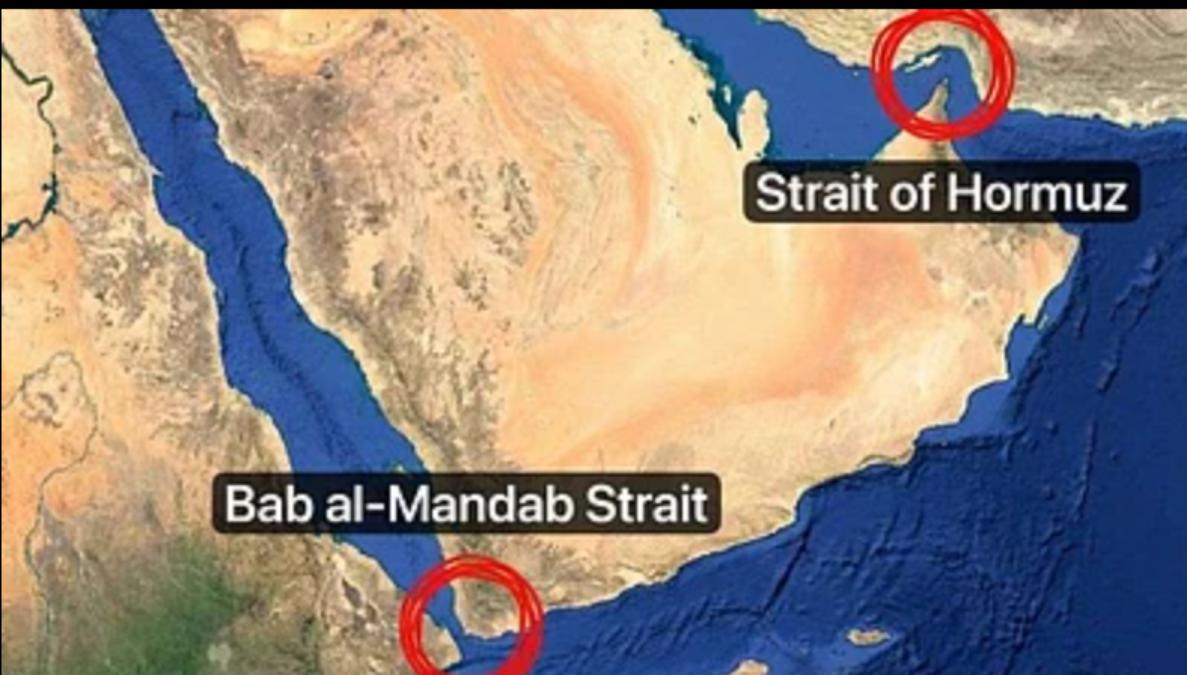
Türkiye imports approximately 90 percent of its energy. Its annual energy bill runs to around $65 billion. The Strait of Hormuz, closed to most commercial shipping since early March, is the main transit corridor for the Gulf oil and gas that feeds that bill.
The Economic Policy Research Foundation of Türkiye (TEPAV) calculates that every $10-per-barrel increase in oil prices adds between $4.5 billion and $5 billion to the country's current account deficit.
The inflation transmission is equally direct. ING analysts estimate that a 10 percent rise in oil prices feeds 1.1 percentage points into consumer prices. Annual inflation was already running at 31.5 percent as of February.
The Central Bank of the Republic of Türkiye has been selling foreign currency reserves to defend the lira since February 28. Early estimates put those sales at around $12 billion in the first week of the conflict. By late March, total capital outflow since the war began was estimated at $25 to $30 billion, according to analysis by Koç University economist Selva Demiralp. Türkiye's two-year government bond yield has climbed above 35 percent.
Türkiye relies on Iran for more than 15 percent of its natural gas, delivered via pipeline. That flow has been disrupted since February 28. Qatar, a second major supplier, halted liquefied natural gas exports from its Ras Laffan and Mesaieed facilities after Iranian drone strikes in early March. Spot LNG prices in the Mediterranean have surged since. Iranian pipeline gas has historically been cheaper than spot cargoes, meaning every substitution adds directly to the import bill.
The Yanbu Bypass Is Not Secure
Saudi Arabia's East-West pipeline runs to the port of Yanbu on the Red Sea. Since Hormuz closed, Yanbu has become the primary bypass route for Gulf crude. It is also the site where Greek-operated Patriot batteries intercepted Iranian ballistic missiles targeting the SAMREF refinery on March 19.
Yanbu feeds tankers heading north through the Red Sea toward Suez, or south through Bab al-Mandab toward Asia. Bab al-Mandab is the narrow passage connecting the Red Sea to the Gulf of Aden, through which roughly 12 percent of global trade and 4.2 million barrels of oil per day transited in the first half of 2025.
On March 28, Houthi rebels fired their first ballistic missiles at Israel since the war began, formally entering the conflict. Both projectiles were intercepted. The UAE's pipeline to Fujairah on the Gulf of Oman offers a second bypass, but its capacity is limited to under 2 million barrels per day.
If the Houthis escalate to commercial shipping in the Red Sea, as they did from November 2023 to January 2025, striking more than 100 merchant vessels, the Yanbu corridor comes under direct threat. Both alternative paths around Hormuz face pressure simultaneously. The remaining option is rerouting via the Cape of Good Hope, adding weeks to voyage times and significantly higher costs to every cargo.
Diplomacy Runs on the Same Fuel
Türkiye has stayed out of the fighting. Ankara has condemned both the US-Israeli strikes on Iran and Tehran's retaliatory attacks on Gulf states. President Recep Tayyip Erdoğan set that line on February 28, condemning the opening strikes while simultaneously rejecting Iran's retaliation against Gulf states. Donald Trump has since publicly praised Türkiye for its restraint, describing the country as "fantastic" and saying Ankara had remained outside "things that we asked them to."
Foreign Minister Hakan Fidan travels to Islamabad on March 29 for multilateral de-escalation talks alongside his Saudi and Egyptian counterparts. Speaking in Istanbul on March 28 at the Stratcom Summit 2026, Fidan warned that the conflict risks spreading across the region and triggering long-term instability. "This senseless war must end before more destruction occurs," he said. Bosphorus News reported his full remarks here.
That diplomatic posture is not only a foreign policy calculation. Türkiye cannot afford to alienate Iran, whose pipeline gas it depends on, the Gulf states whose oil it imports, or the United States, whose interest rate decisions and dollar strength determine how much pressure the lira absorbs. It has held that balance through three weeks of conflict and $30 billion in capital outflows.
The Houthi entry into the war narrows the available geometry. A Red Sea disruption compounds a Hormuz disruption, pushing spot prices higher, widening the import bill, and forcing the central bank to sell more reserves. Fidan called for de-escalation in Istanbul on March 28. The arithmetic of Türkiye's energy exposure explains the urgency behind it.