
By Bosphorus News Energy Desk
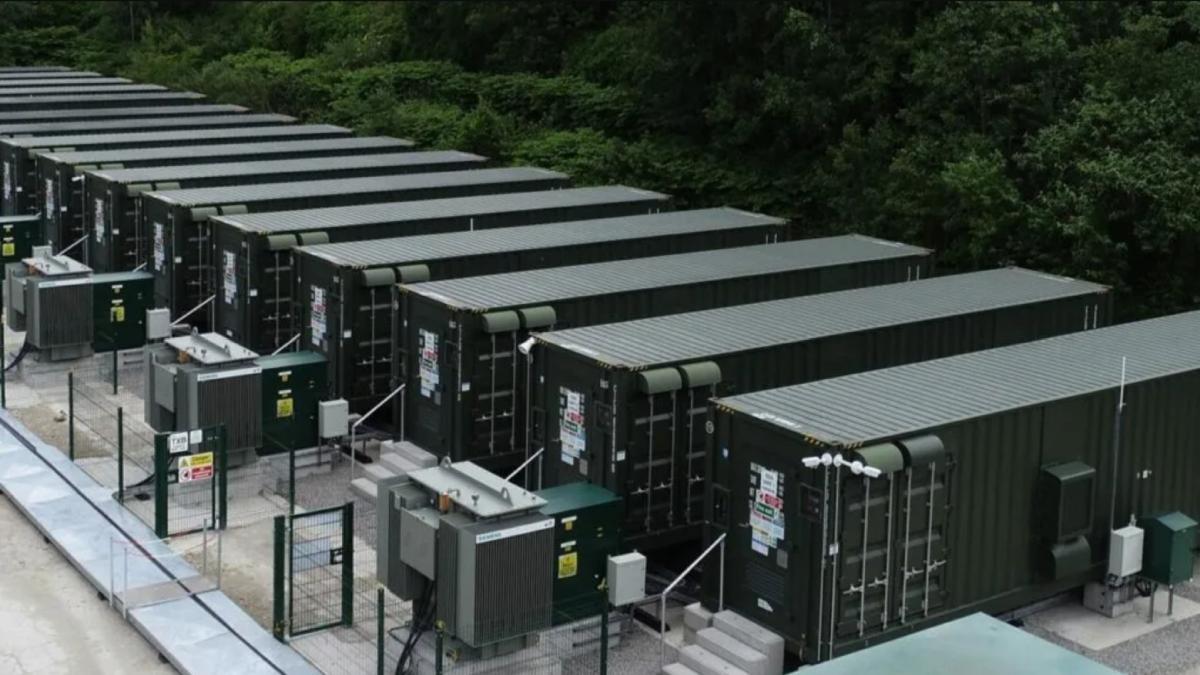
Türkiye has approved 33GW of battery storage projects, more than any EU country, according to Ember's Türkiye Electricity Review 2026 published this week. None of the projects are yet operational at grid scale, but the pipeline dwarfs the combined operational and planned capacity of Germany and Italy, which both sit at around 12-13GW.
The surge traces back to a single regulatory decision. In July 2022, Türkiye amended its Electricity Market Law to require any new wind or solar project to include battery storage equal to its installed generation capacity in order to gain grid access. Developers who had previously treated storage as an optional cost suddenly needed it to get a licence. The result was a wave of applications — Ember puts the total submitted capacity at 221GW — of which 33GW has been approved and pre-licensed, with projects running through to 2030.
Türkiye's approved battery pipeline now equals 83 percent of its current wind and solar capacity of 40GW. Germany and Italy reached their figures over a longer period and with a portion already built. Türkiye's 33GW is almost entirely still to be constructed.
The projects currently approved mostly use one-hour battery systems, providing around 37GWh of stored energy. That is enough for short-term grid balancing but falls well short of seasonal or multi-day storage. Ember analyst Ufuk Alparslan described the regulatory shift as a "massive investment signal," but noted that execution pace and permitting delays remain the key risks.
The backdrop matters. With the Iran war pushing global oil prices toward $119 per barrel and Hürmüz disruptions tightening fossil fuel supply chains, Türkiye's exposure to energy import costs is acute. The state currently covers around 55 percent of household electricity bills and 44 to 45 percent of gas bills. Every dollar rise in oil costs Ankara an estimated $400 million. Building storage capacity that absorbs domestic renewable output directly reduces that exposure.
Coal still dominates Türkiye's grid at 34 percent of generation, with two thirds of supply imported. Wind and solar reached a record 22 percent in 2025.
Last year Türkiye deployed 6.5GW of new wind and solar, short of the 8GW annual pace it needs to reach 120GW by 2035, and the batteries that would make that scale work are still on paper.