

A fundamental reordering of power dynamics is underway in the Eastern Mediterranean, driven by New Delhi's calculated decision to challenge a geopolitical rival in its own neighborhood. The decisive Indian strategic pivot toward Greece and Cyprus is viewed by strategic analysts not merely as an economic opportunity, but as a direct response to Türkiye's decades-long and often vocal defense and diplomatic support for Pakistan, particularly following recent border clashes and regional tensions.
This burgeoning trilateral alliance, marked by frequent joint naval drills, high-level defense agreements, and new economic corridors, is now being mobilized as a strategic counterbalance to the growing influence and assertive posture of Türkiye under President Recep Tayyip Erdoğan. India's entry into the Aegean and Cypriot maritime zones effectively exports the complex South Asian rivalry, turning the Eastern Mediterranean into a fresh arena for geopolitical competition.
The new geopolitical axis represents a potent blend of economic and military ambitions. On the economic front, the cooperation aligns with the massive India-Middle East-Europe Economic Corridor (IMEC), positioning Greece and Cyprus as crucial European gateways for Indian trade, bypassing traditional routes. Simultaneously, the military ties have deepened significantly. The two nations recently held their first-ever joint naval exercises, and the Greek defense establishment has openly called for a more permanent Indian military presence in both the Mediterranean and the Red Sea.
The New Delhi-Athens-Nicosia Axis
India, leveraging its increasing status as a global defense producer and security provider, has found willing partners in Athens and Nicosia, who share common security concerns regarding their larger neighbor, Türkiye.
- Defense Collaboration: India and Cyprus have committed to boosting cooperation in defense, cybersecurity, and maritime security, according to statements by Prime Minister Modi. Similarly, reports confirm India is rapidly advancing its military collaboration with Greece, with the aim of creating a more enduring operational presence.
- Connectivity and Access: The establishment of a direct air link between India and Greece, a first-of-its-kind development, is a logistical and symbolic move, cementing the rapidly expanding economic and security relationship.
- Cyprus Synergy: The partnership with Cyprus is crucial, as New Delhi seeks to integrate its defense and economic strategy across the key islands and maritime territories of the Eastern Mediterranean.
Ankara's Response: A Direct Warning
The formation of this strategic triangle has not gone unnoticed in Ankara. Turkish officials have watched the deepening ties with growing concern, viewing the military and diplomatic collaborations as direct acts of strategic encirclement.
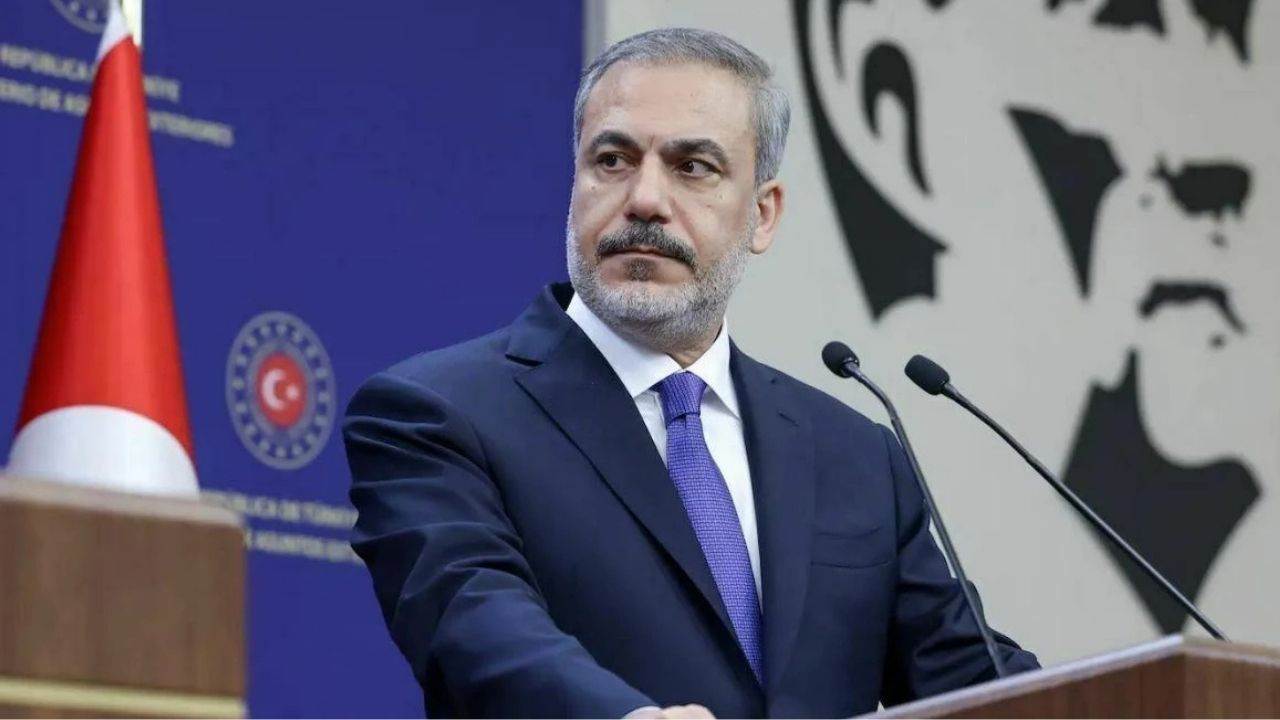
The gravity of Ankara's position was articulated with unvarnished clarity by Turkish Foreign Minister Hakan Fidan, whose warning represents the core tension of this new geopolitical reality:
"Fidan: There are alliance areas against Türkiye in the Mediterranean... We will take diplomatic and military measures."
This forceful statement, issued from the heart of the Turkish foreign policy apparatus, confirms that Ankara views the new partnerships as hostile "alliance areas" and is prepared to respond with proportionate countermeasures, which could include both diplomatic maneuvering and, ominously, military action.
This sentiment echoes earlier concerns raised by officials in the Turkish Republic of Northern Cyprus (TRNC). In a related warning, the TRNC Parliament Speaker cautioned against the escalating military and defense cooperation between Israel and Greek Cyprus, signaling a comprehensive rejection of alliances that exclude or threaten Turkish interests in the region.
The End of Uncontested Regional Dominance?
The intervention of a major global power like India effectively internationalizes a long-standing regional dispute. By strategically aligning its interests with Greece and Cyprus, New Delhi is fundamentally altering the power matrix, shifting the dynamic from a localized quarrel to a critical international security imperative.
For Türkiye, the confluence of events—the rising presence of the Indian Navy and the formalization of these defense ties—warn of a likely end of its uncontested regional dominance in the area. This challenge is significantly complicated by the fact that Greece and Cyprus are not acting alone; they are actively forging close, multifaceted cooperation with rivals like Egypt and Israel, as well as Muslim countries such as Qatar, the UAE, and Saudi Arabia. These expansive alliances now form an intricate, comprehensive network challenging Ankara's maritime claims and diplomatic influence, ultimately heralding a new, highly complex era of multi-polar security in the Mediterranean.