
If individuals today find themselves living within an unhappy society, a fundamental reason lies in the destruction, distortion, and spiritual desolation inflicted upon nature itself. Every hierarchy, bureaucracy, and mode of communication ostensibly created to enhance human welfare has, in practice, been organized against nature. Although it has been known—at least since the time of the Native Americans—that whatever is hostile to nature inevitably turns hostile to humanity, the trajectory of degradation has continued to accelerate. In this respect, humankind remains the victim of its own intrinsic contradictions.
Consider the modern individual: isolated, anxious, emotionally unstable, dependent, and spiritually exhausted. Such individuals expend great effort to create leisure time for themselves, only to take pleasure in "killing" or merely passing that time once it is obtained. This represents a striking paradox. Did Fromm not articulate this very contradiction decades ago? And yet, despite the passage of time, little appears to have changed.
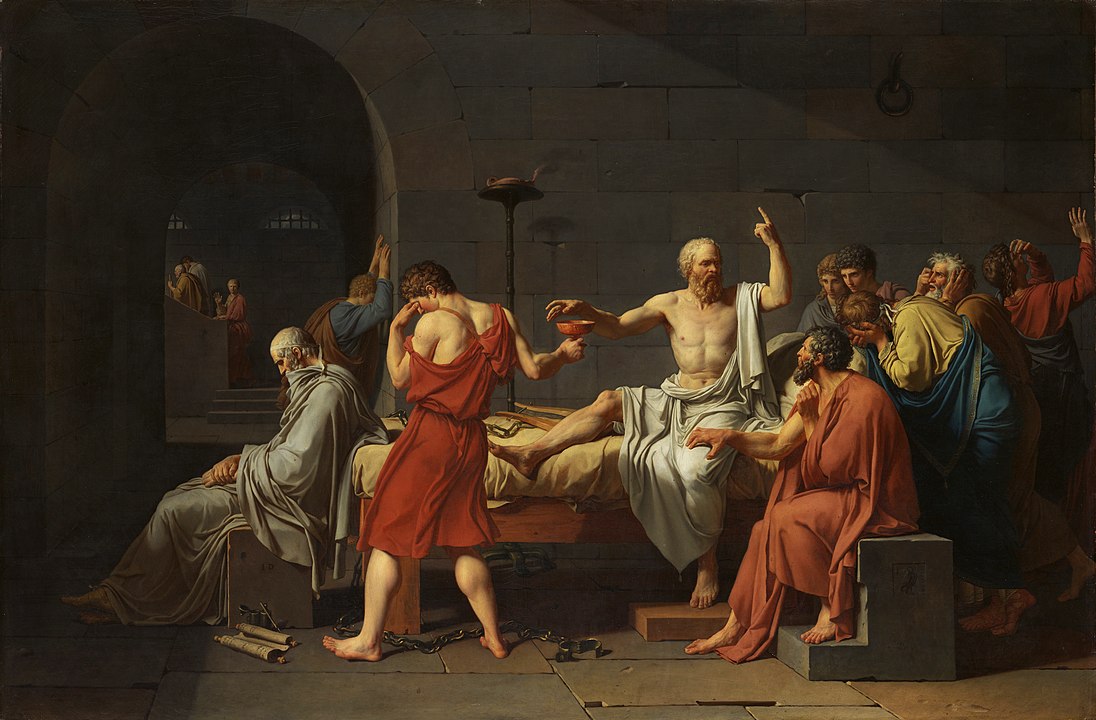
From Socrates onward, humanity has been urged to "know thyself," yet, as Carrel famously suggested, human beings have ultimately become "unknown." Since Yunus Emre, humanity has also failed to employ knowledge as a means for self-understanding, and thus the search for the self continues. This pursuit has produced two significant outcomes: some, convinced they have reached absolute truth, seek to recreate the world through technology and reshape humanity through ideology.
Simultaneously, we confront an era in which even the classical meanings of life and death have eroded. Confronted with death, eyes may fill with tears, yet hearts no longer ache. Pleasure and pain have lost their traditional functions. The number of people who look upon the environment, nature, themselves, and the future with vacant eyes grows steadily. Some surrender silently to a mysticism-induced indifference; others discern a universal absurdity in all things. Still others cling to the principles of reason when faced with pressing dilemmas. Yet because the vital bond between reason and the heart—between the individual and humanity—has been severed, such reliance proves futile.
Meaninglessness now overshadows meaningful, purposive behavior. Much of what occurs lacks rational foundation. Causeless murders, internalized forms of suicide, and manifestations of sadism have become normalized. There are now more individuals rendered miserable by excess—by overconsumption—than those made unhappy by deprivation.
The contemporary order is built upon the imperatives of consuming more, entertaining more, and controlling more. It is true that modern individuals possess opportunities unimaginable in previous eras. Yet it is equally true that increased consumption and heightened entertainment do not generate greater happiness. If, in relative terms, everyone consumes more, entertains themselves more, and ostensibly feels happier, then why do people in the 21st century resort to drugs at higher rates, drink more alcohol, and commit suicide in increasing numbers? Against what realities do individuals feel compelled to numb themselves? What do they seek to forget within the depths of a bottle? And more critically, from what do they flee when they take refuge in death?

Has history ever witnessed a period in which rape, suicide, divorce, murder, and drug use became so thoroughly commonplace?
The present age does not resemble earlier periods when the identity of the enemy was clearly understood. Today, the enemy resides within us and within our societies, for we are waging war against our own values and principles. What was once assumed to be beneficial—greater efficiency, harder work, increasing wealth—has clearly failed to deliver humanity to any imagined nirvana. Those who earn the most wealth are no longer certain that their gains justify the cost. Who desires to be wealthy in the grave? Meanwhile, those who cannot earn money find no meaning in life, for money alone constitutes value—and they possess none.
Moreover, death lives within every person. One dies from the inside. Death begins when the organs themselves betray the body. The kidneys, the heart, the stomach—nourished since birth—eventually fail to perform their functions and turn against their very purpose for existence. Such is how the end takes shape...