
By Bosphorus News Sports Desk
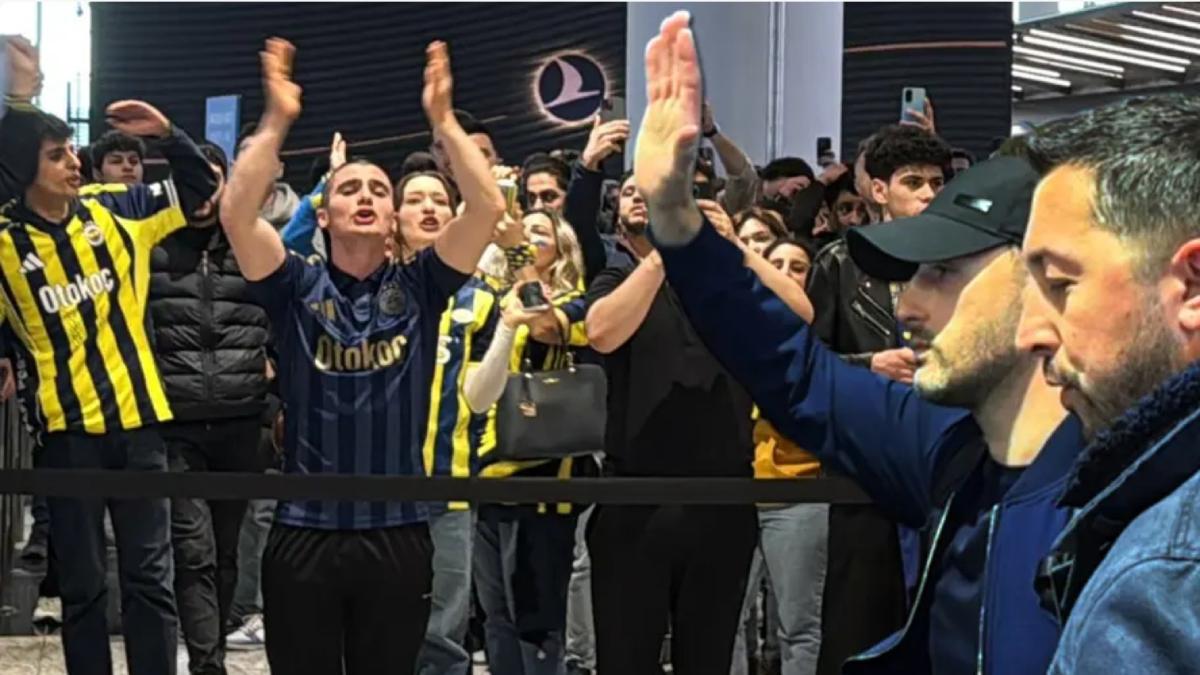
Domenico Tedesco did not deliver a championship at Fenerbahçe. The club moved on after falling behind in the title race. Yet when he left Istanbul, hundreds of supporters gathered to see him off. Players publicly backed him. The reaction exposed a gap between outcome and perception.
Modern football reduces success to silverware, but this moment pointed to something less measurable. Max Weber's concept of the Protestant work ethic offers a useful lens here. Discipline, consistency and a sense of duty turn work into something more than a transaction. In Weber's framing, performance is not only measured by results, but by how the work is carried out. Respect can accumulate even when outcomes fall short.
That idea has older roots than modern football. In ancient Greece, Spartan leadership rested on shared hardship. Commanders lived the same conditions as their soldiers. Tedesco was living in the club training grounds since his arrival in Türkiye.
Moreover, authority was built through example, not distance. In Rome, Lucius Quinctius Cincinnatus became a reference point for duty without attachment to power. He left his farm to lead in crisis, then stepped down and returned to it. The act mattered more than the reward.
Marcus Aurelius carried a similar ethic into imperial power. His reign was marked by war, plague and instability. He did not preside over a clean success story. Yet his personal discipline, restraint and philosophical consistency secured a level of respect that outlived more visibly triumphant rulers.
Stoic thought sharpens the point. Epictetus argued that a person should separate what is under his control from what is not, then give full discipline to the former. Injuries, refereeing decisions and the quality of rivals belong to football's uncontrollable side. Training standards, preparation, tone and conduct do not. That is where a coach's character becomes visible.
Sport carries the same lesson in a harsher public arena. Michael Jordan is often reduced to championships, but his defining trait was response to failure. Early setbacks and missed shots became the foundation of his work ethic. The public remembers the victories, yet the legend was built in the hours when nobody was watching.
Tedesco's exit fits that older pattern. Fenerbahçe's management evaluated results. The squad and supporters reacted to something else. Training standards, communication style and personal conduct shaped a different kind of legitimacy. In Confucian terms, this is leadership through virtue rather than force. Respect is not ordered from above. It is earned in daily conduct.
The airport scene was not about the table. It was about the relationship built over the season. Ancient Greek thought captured this distinction through the idea of eudaimonia. Fulfilment is tied to virtue and conduct, not external success alone. That framework still resonates in modern sport, even in an environment dominated by metrics.
Tedesco did not leave Fenerbahçe with a league title. But he left with something football often forgets to measure: visible respect. That respect came from the way he worked, the way he carried himself and the way people around him felt treated. Results ended his contract. Work ethics shaped his farewell.