
By Bosphorus News Staff
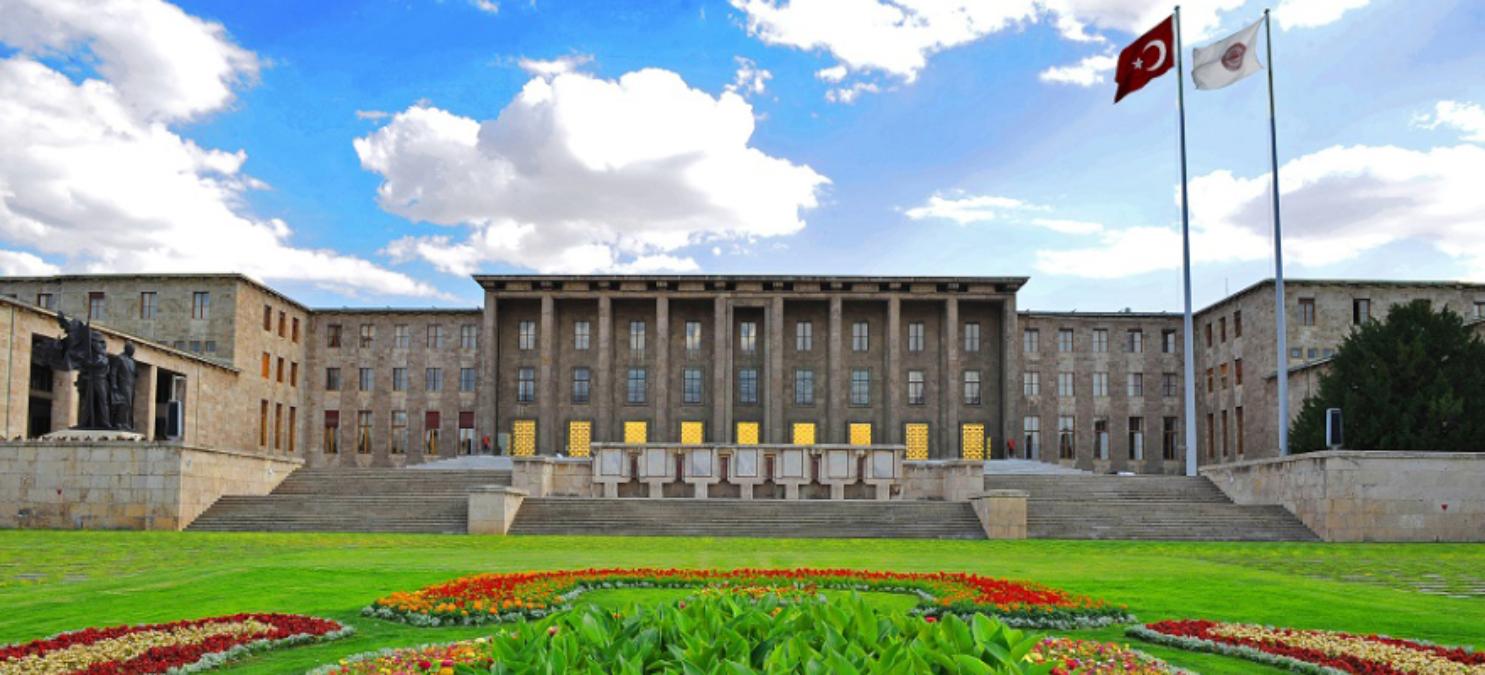
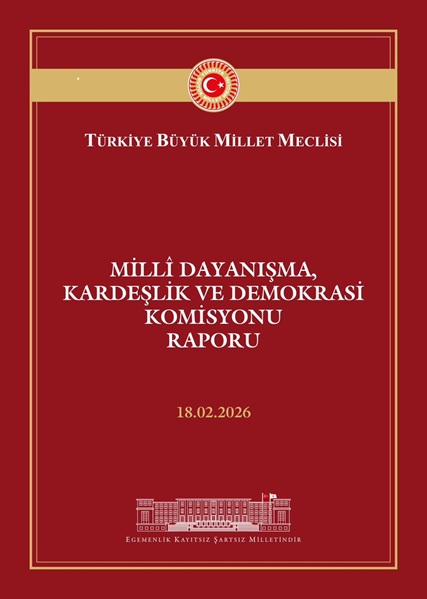
The Grand National Assembly has released a 101-page commission report detailing how the state would manage the dissolution and disarmament of the PKK and regulate the legal transition that would follow. The document places parliament at the center of the process and frames the initiative as a long-term state policy.
Prepared by the National Solidarity, Brotherhood and Democracy Commission, the report outlines verification mechanisms for disarmament, proposes temporary legislation for the post-conflict phase and links the process to broader discussions on democratic reform and regional development.
The commission began work on 5 August 2025 following consultations among political party leaders. Structured as a 51-member body reflecting parliamentary representation, it held 21 meetings and heard from 137 individuals and institutional representatives. Those addressing the commission included the ministers of justice, foreign affairs, interior, national defense and family and social services, as well as the head of the National Intelligence Organization. Civil society representatives, bar association presidents, academics, trade union and employer organizations, victims' families and veterans were also heard.
The "Terror-Free Türkiye" Objective
The report defines its central goal as achieving a "Terror-Free Türkiye," describing the initiative as part of a long-term state policy rather than a temporary political move.
It situates the process within Türkiye's constitutional framework, emphasizing the unitary state structure, territorial integrity, the status of Turkish as the official language and the principles of the Republic.
Disarmament as the Critical Threshold
At the core of the document is the requirement that the PKK's full dissolution and disarmament be verified by state intelligence and security institutions.
The report describes this stage as the "critical threshold" of the process. It states that public declarations alone would not be sufficient and that confirmation must rely on measurable and coordinated procedures, including assessments covering areas beyond Türkiye's borders.
Administrative and legal measures would proceed only after this verification is completed.
Legislative Proposals for the Post-Disarmament Phase
The commission recommends drafting a temporary and purpose-specific law to regulate the transition period.
According to the report, such legislation should avoid creating a perception of general amnesty, maintain judicial oversight and be clearly defined so as not to allow broad interpretation. It also references possible adjustments within existing criminal and enforcement law in relation to individuals associated with the organization, while underlining that any arrangement should not produce an impression of impunity.
The proposed framework is intended both to determine the legal status of those concerned and to manage the transition in a structured manner.
Social Reintegration and Public Order
The report states that the end of armed activity would not automatically resolve social consequences. It calls for structured reintegration measures, including education, employment programs, psychosocial support and local development initiatives.
It emphasizes that public order, legal certainty and what it describes as public conscience must be preserved throughout the process.
Democratic and Institutional Dimension
Beyond security measures, the document links the initiative to broader democratic discussions. It references potential revisions to parliamentary rules of procedure, political party legislation and electoral laws.
While drafting a new constitution is outside the commission's mandate, the report notes that several political parties have previously expressed support for a more civilian and participatory constitutional framework.
Economic Assessment
A section of the report addresses the long-term economic cost of terrorism. Citing different methodologies, it suggests that annual economic losses may range from approximately $100 billion to $240 billion when indirect effects such as lost investment, increased risk premiums and regional underdevelopment are included.
The report also notes that certain southeastern provinces contribute below national averages in GDP share, exports and industrial activity.
A Parliamentary Process Without Foreign Mediation
The document underlines that the initiative was conducted under parliamentary supervision and without foreign mediation. It refers to the approach as a domestically designed model and states that, if fully implemented, it could be described as a "Türkiye Model" in international literature.
The report concludes by describing itself as a reference text intended to guide subsequent legislative steps rather than as a final settlement.
*** Full report in Turkish can be found here.