
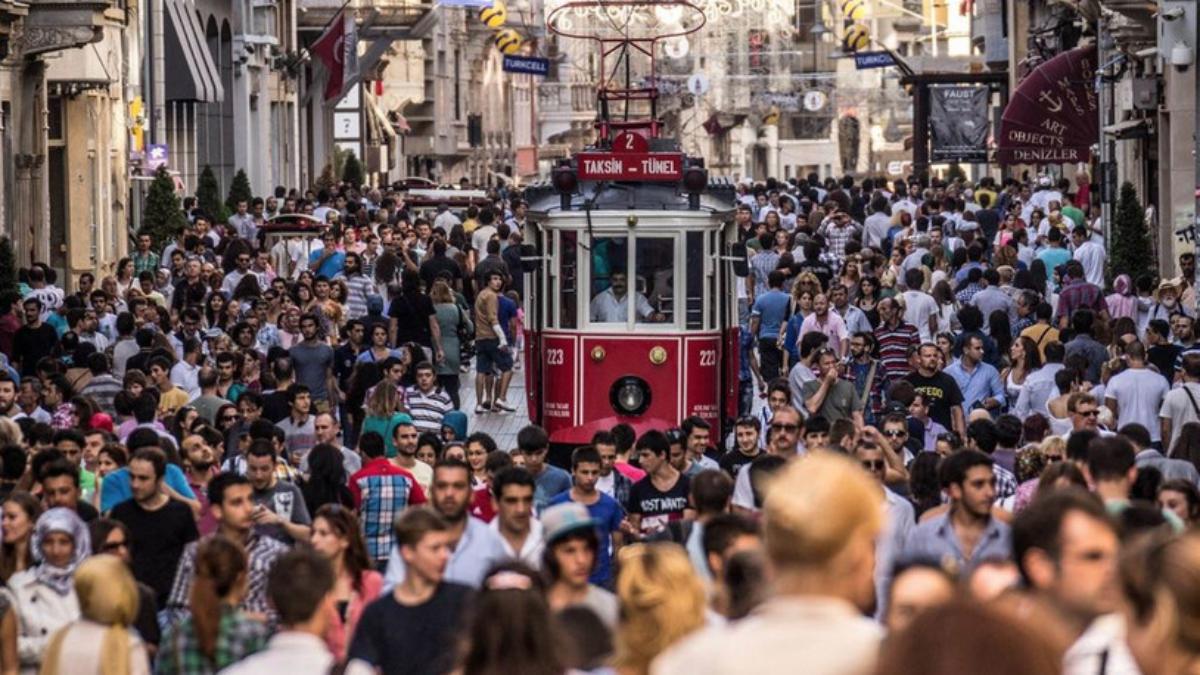
Is Türkiye unhappy—or has dissatisfaction simply become part of everyday life?
The Life Satisfaction and Emotions survey published in ODAK – January 2026 by PanoramaTR points to a society where emotional pressure is no longer episodic. It is uneven, persistent, and increasingly absorbed into daily life.
Based on a nationally representative survey of 2,091 adults conducted in December 2025, the data shows a population that is still functioning, still coping—but doing so with diminishing emotional margin.
Life Satisfaction: A Thin Majority, a Heavy Underside
At headline level, the picture appears stable. 56% of respondents say they are satisfied with their lives. But stability fades once the distribution is unpacked.
- 44% report dissatisfaction.
- Nearly one in five say they are not satisfied at all.
- Only 11% describe themselves as very satisfied.
The decisive fault line is income.
- In the lowest income group, life satisfaction falls to 30%.
- Among upper-middle and high-income groups, it rises to 74%.
This is not a marginal difference. It is a structural divide. Life satisfaction in Türkiye is no longer broadly shared; it is increasingly conditional on economic insulation.
Gender differences exist—61% of women report satisfaction compared to 51% of men—but they narrow once economic stress enters the equation. Financial pressure overrides demographic nuance.
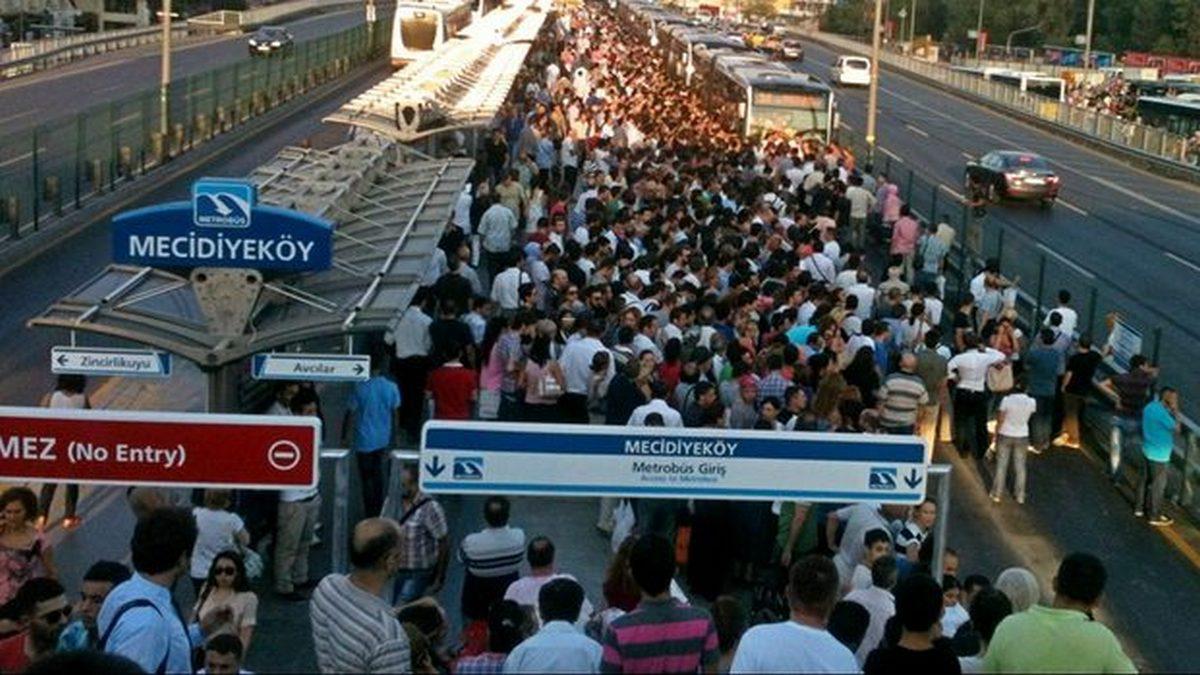
When Feelings Are Measured, Not Evaluations
Asked how they feel rather than how they judge their lives, respondents offer a darker picture.
Across the sample, negative emotions slightly outweigh positive ones. Stress, anxiety, and sadness are reported more frequently than calm or joy. The WHO-5 Psychological Well-Being Index places a substantial share of respondents below the 50-point threshold, commonly associated with low or moderate psychological well-being.
International comparisons cited in the report reinforce this pattern. In global emotion surveys, Türkiye consistently ranks among countries with high negative emotional load and exceptionally low levels of positive daily affect. In one widely referenced dataset, Türkiye ranks last among surveyed countries in reported daily laughter or smiling—an anecdotal metric, but a telling one.
Optimism Has Not Disappeared—It Has Contracted
On a 0–10 scale, emotional margins are narrow:
- Optimism: 4.9
- Pessimism: 3.5
Optimism still exceeds pessimism, but barely. More importantly, it drops sharply among lower-income respondents and those reporting economic insecurity. Hope is no longer ambient; it is means-tested.
This mirrors a pattern frequently noted in Foreign Policy's analyses of societies under prolonged economic and political pressure. In such settings, public sentiment rarely collapses into open despair. Instead, expectations are quietly revised downward.
Comparative data helps explain why. In countries where inflation has remained above 20% for several consecutive years, global well-being surveys show that life satisfaction declines faster than self-reported happiness, while daily stress and anxiety rise gradually. The emotional response is not explosive. It accumulates.
Gallup's global emotion tracking—often cited in Foreign Policy's reporting—shows that in high-inflation, middle-income countries, more than half of respondents report daily stress or worry, even when outright pessimism remains lower. Optimism does not vanish. It flattens.
Türkiye's data fits this pattern closely. Hope persists, but it has been recalibrated—less about improvement, more about endurance. People cope. They do not plan.
Memory, Emotion, and What Stays
The survey also captures how emotions attach themselves to events.
Respondents overwhelmingly cite military accidents and fatal incidents as the most distressing moments of 2025. Positive developments, by contrast, are associated mainly with technological and defense-industry achievements—visible at the national level, distant in daily life.
Negative events are personal and immediate. Positive ones are abstract and unevenly felt.
What the Numbers Normalize
The Life Satisfaction and Emotions survey does not describe a society in open emotional crisis. It describes something more durable—and potentially more consequential: a society learning to live with pressure.
Life satisfaction persists, but narrowly. Psychological well-being holds, but unevenly. Income increasingly shapes not just material conditions, but emotional stability.
The defining feature of the current moment is not despair, but fragility—a narrowing space between coping and confidence, where hope survives, but no longer expands.