
Türkiye's Ministry of Energy and Natural Resources has outlined an expansive energy and mining roadmap for 2026, setting out concrete targets to accelerate renewable generation, bring the country's first nuclear power plant online, expand domestic natural gas output, and modernize grids and storage. The plan reflects Ankara's effort to strengthen energy security while sustaining economic growth and managing the costs of the global energy transition.
Renewables: Capacity, Industry, and Scale
Officials describe 2026 as a breakout year for renewables, with policies designed to speed up capacity additions and deepen domestic industrial participation. Priority will be given to self-consumption solar—particularly rooftop systems for industry—alongside utility-scale solar and wind projects.
By late 2025, renewables already accounted for over 60 percent of installed electricity capacity, and sector forecasts point to continued rapid growth driven mainly by solar and wind. Preparations are also under way for offshore wind and floating solar, including a flagship floating solar project at multi-gigawatt scale, expected to draw both public and private investment.
Nuclear: A First for Türkiye
A central pillar of the 2026 outlook is the start of electricity generation at the Akkuyu Nuclear Power Plant, marking Türkiye's entry into nuclear power. Additional long-term financing has been secured to support commissioning and early operations.
Beyond Akkuyu, authorities are advancing feasibility work and partner talks for new nuclear sites in Thrace and Sinop, signaling an intent to diversify suppliers and increase domestic content over time.
Domestic Production: Gas and Beyond
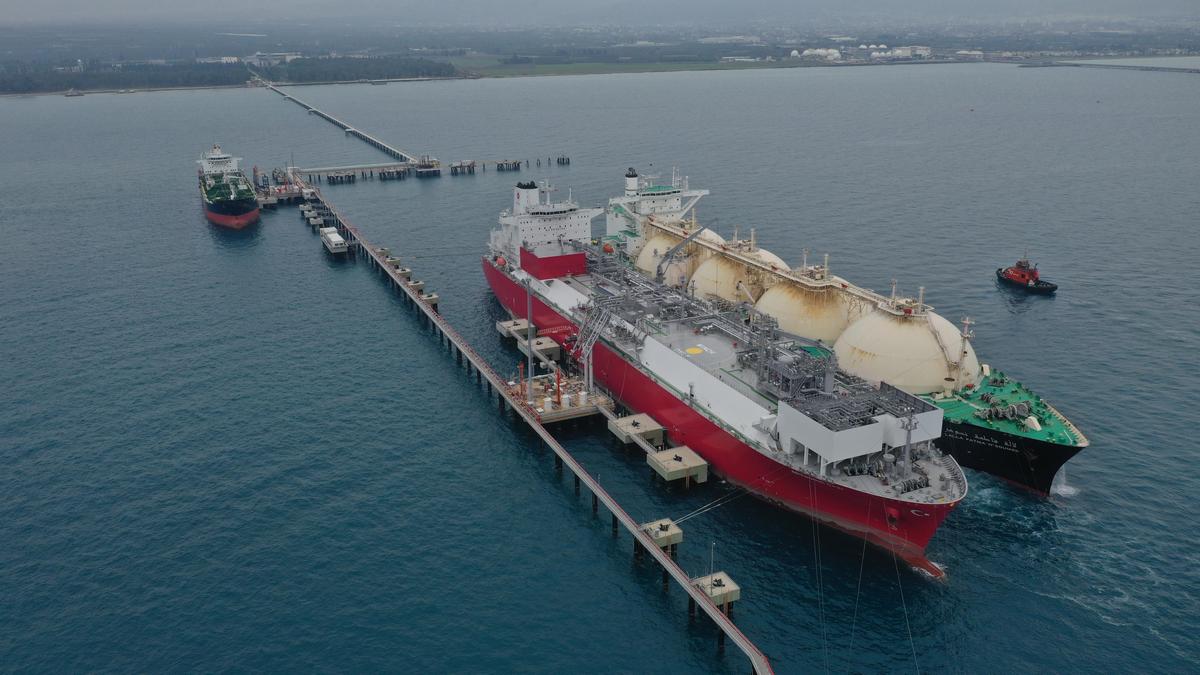
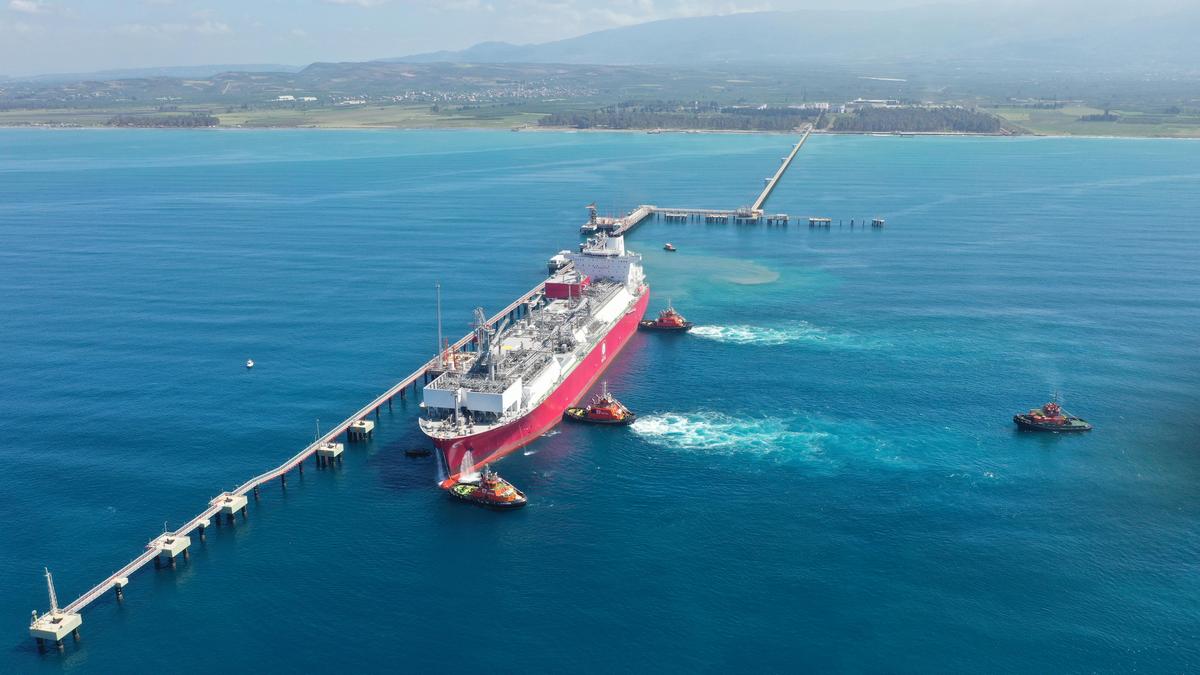
Boosting domestic supply remains a priority. Production from the Sakarya gas field is expected to rise sharply in 2026, with the stated goal of supplying gas to millions of households and reducing imports by several billion cubic meters annually—delivering meaningful savings on the energy import bill.
Exploration is also expanding to unconventional oil prospects in the southeast, with horizontal drilling and hydraulic fracturing scheduled to begin in 2026, subject to technical and environmental assessments.
Storage, Grids, and Market Reform
To integrate variable renewables, the ministry plans a new energy storage investment framework, including storage-focused resource zones modeled on existing generation schemes. Around 2,000 megawatts of storage capacity is expected to be mobilized.
Regulatory preparations also include natural gas tariff adjustments, continued grid upgrades, and steps toward launching a carbon trading mechanism via the national energy exchange, aligning markets with emissions-reduction objectives.
Investment and Partnerships
The 2026 agenda foresees multiple intergovernmental and private-sector agreements, notably with Gulf investors on large solar and storage deployments. Early projects are expected to add several gigawatts of capacity across central and southern regions.
A Balanced Outlook
Türkiye's 2026 energy vision blends rapid renewable expansion with the stability of nuclear power and the pragmatism of domestic gas development. Analysts note that success will depend on timely permitting, grid modernization, predictable regulation, and sustained financing—particularly as global energy markets remain volatile.
Taken together, the roadmap signals a multi-track transition: reducing external dependence while building a competitive, resilient energy system capable of supporting Türkiye's long-term climate and growth objectives.