
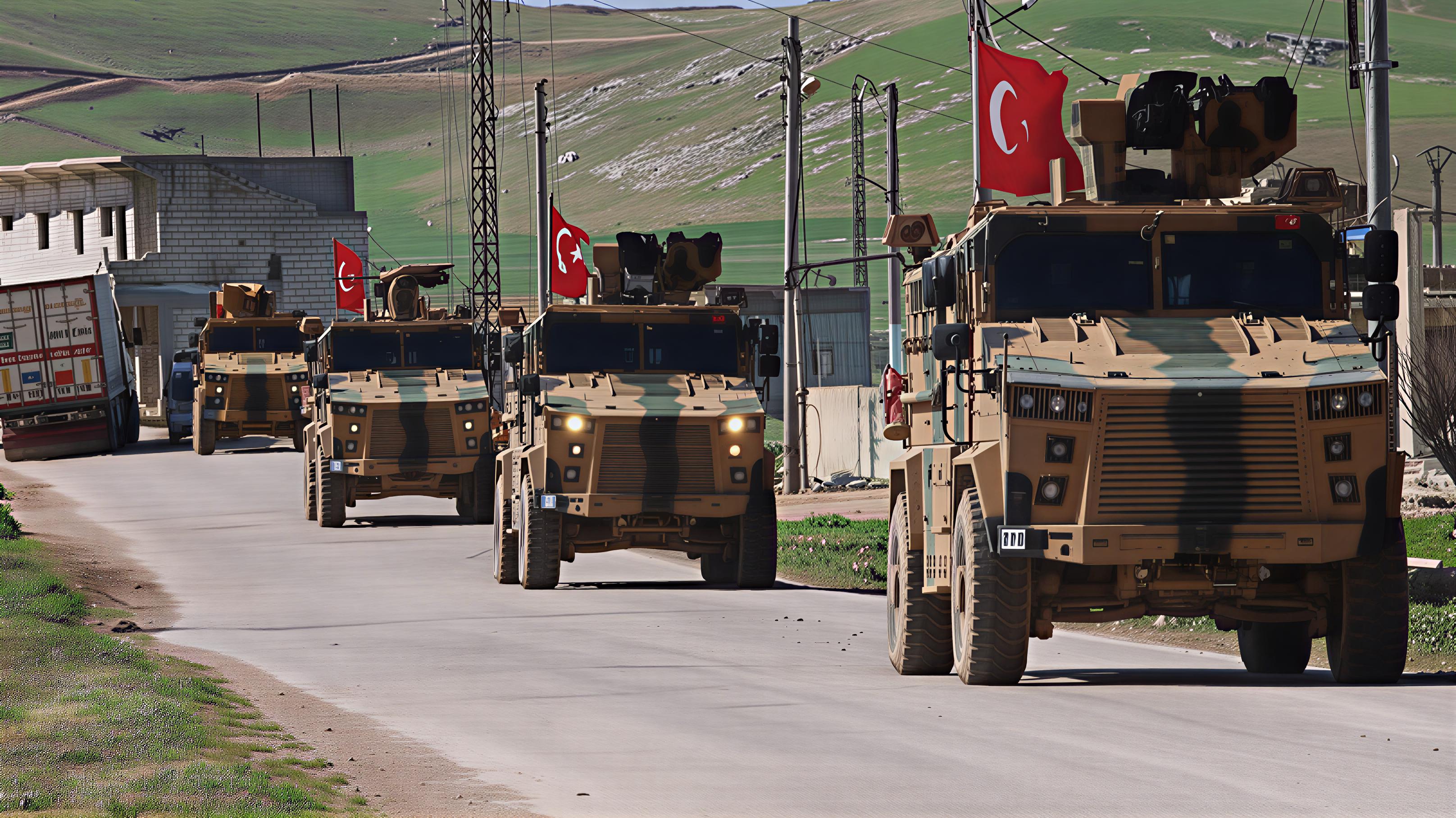
Negotiations to integrate the Kurdish-led Syrian Democratic Forces (SDF) into Syria's state institutions are losing momentum, with missed deadlines and unresolved disputes prompting increasingly firm signals from Ankara.
According to Reuters, a framework agreement reached earlier this year between Damascus and the SDF has yet to translate into concrete implementation. The deal was intended to bring security and governance structures in northeastern Syria under central authority, a step widely viewed as critical to post-conflict stabilization. Months on, progress remains uneven, and talks continue amid growing skepticism.
Implementation Challenges and Delayed Timelines
Reuters reporting indicates that disagreements persist over command arrangements, authority, and sequencing—issues that have slowed implementation and complicated confidence-building. While diplomatic engagement continues, officials involved in the process privately acknowledge that timelines have slipped and that the political will required to resolve core security questions has not yet materialized.
Türkiye's Security-Based Position
Türkiye has framed the issue primarily through a security lens. Turkish officials stress that outcomes will be assessed by results on the ground rather than political declarations. Foreign Minister Hakan Fidan has publicly warned that Ankara's patience is limited, underscoring that any arrangement failing to address Türkiye's security concerns will be unacceptable.
Although international wire reporting does not detail specific integration formulas, Ankara's position has remained consistent: no armed structure linked to the PKK can retain organizational coherence or parallel chains of command under another label. From Türkiye's perspective, integration is meaningful only if it entails full subordination to central authority.
Regional and Strategic Implications
The outcome of the SDF–Damascus talks carries implications beyond northeastern Syria. It affects Türkiye's border security and counterterrorism posture, the balance between central authority and local armed actors inside Syria, and broader regional diplomacy involving external stakeholders, including the United States and Russia.
Prospects and Policy Implications
Diplomatic channels remain open, but officials increasingly acknowledge that time is becoming a decisive factor. Türkiye has not announced new military steps, yet its messaging suggests that continued delays will narrow diplomatic space. The coming period will test whether political commitments can be converted into enforceable arrangements or whether the integration effort stalls under unresolved security and sovereignty concerns.
Analytical perspective from Ankara:
For Ankara, integration is not an end in itself; legitimacy hinges on outcomes that eliminate parallel armed authority along its border rather than preserving it under a different name.