
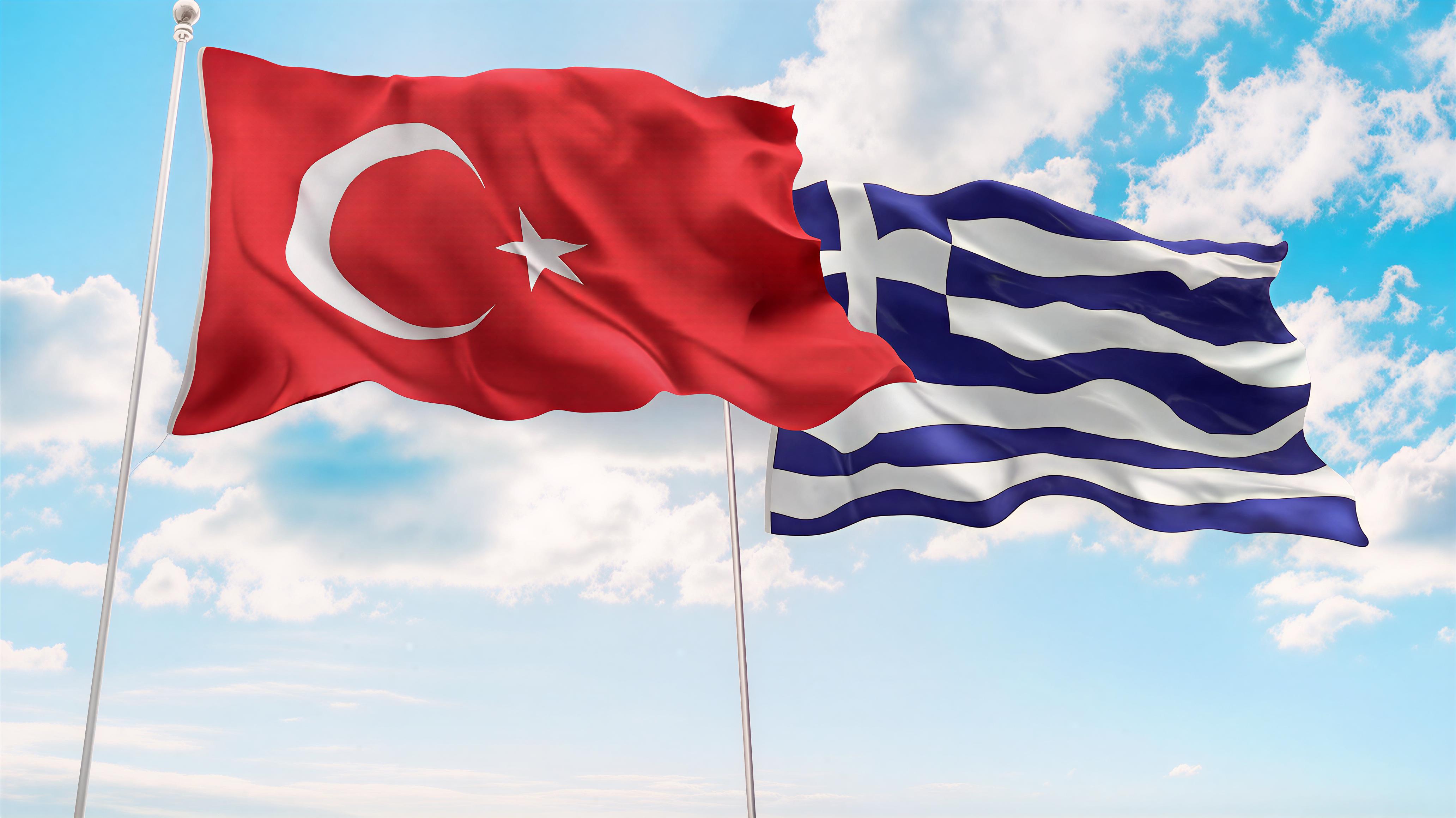
Infrastructure Cooperation Amid Political Strains
Despite persistent tensions between Türkiye and Greece in the Aegean Sea and the Eastern Mediterranean, both countries continue to pursue practical cooperation in infrastructure and connectivity. One of the most tangible examples is the long-planned Türkiye–Greece "Friendship Bridge", designed to link the two countries across the Meriç/Evros River.
Officials on both sides have confirmed that technical planning for the project has reached an advanced stage, with design work completed and coordination between relevant authorities ongoing. The bridge is intended to complement existing border crossings and ease pressure on current road links, particularly during peak commercial and tourist periods.

Strategic Location and Transport Networks
The planned bridge will connect border regions that play a key role in regional trade and transit. On the Greek side, the project is linked to the Egnatia Odos motorway, a major east-west corridor across northern Greece that forms part of Europe's broader transport network. On the Turkish side, it will integrate into existing highway routes connecting Thrace to İstanbul and the rest of Türkiye.
Transport experts note that improving cross-border infrastructure at this point could reduce logistical bottlenecks, lower transit times for freight, and improve road safety. Beyond commerce, the bridge is also expected to facilitate people-to-people contact, particularly for families, local communities, and small businesses operating on both sides of the border.
A Project with Long Roots
The Friendship Bridge concept is not new. Discussions around a second major crossing over the Meriç/Evros date back nearly two decades, but progress has been repeatedly delayed due to political tensions, financial constraints, and shifting regional priorities. The current phase is notable because it reflects a shared willingness to advance a technically mature project even when broader bilateral issues remain unresolved.
Analysts see this as part of a wider pattern in Türkiye–Greece relations, where economic and technical cooperation continues alongside political disagreement. Similar dynamics have been observed in areas such as trade, disaster response coordination, and tourism.
Symbolism and Practical Impact
While officials have been careful not to frame the bridge as a political breakthrough, its symbolism is difficult to ignore. A permanent infrastructure link, jointly planned and implemented, sends a signal that dialogue and cooperation remain possible, even during periods of diplomatic strain.
At the same time, authorities emphasize that the project is grounded in practical needs rather than political messaging. The focus remains on engineering standards, environmental considerations, border management, and long-term sustainability.
As planning moves toward implementation, the Friendship Bridge stands as a reminder that shared geography often necessitates cooperation, regardless of broader regional disputes.