
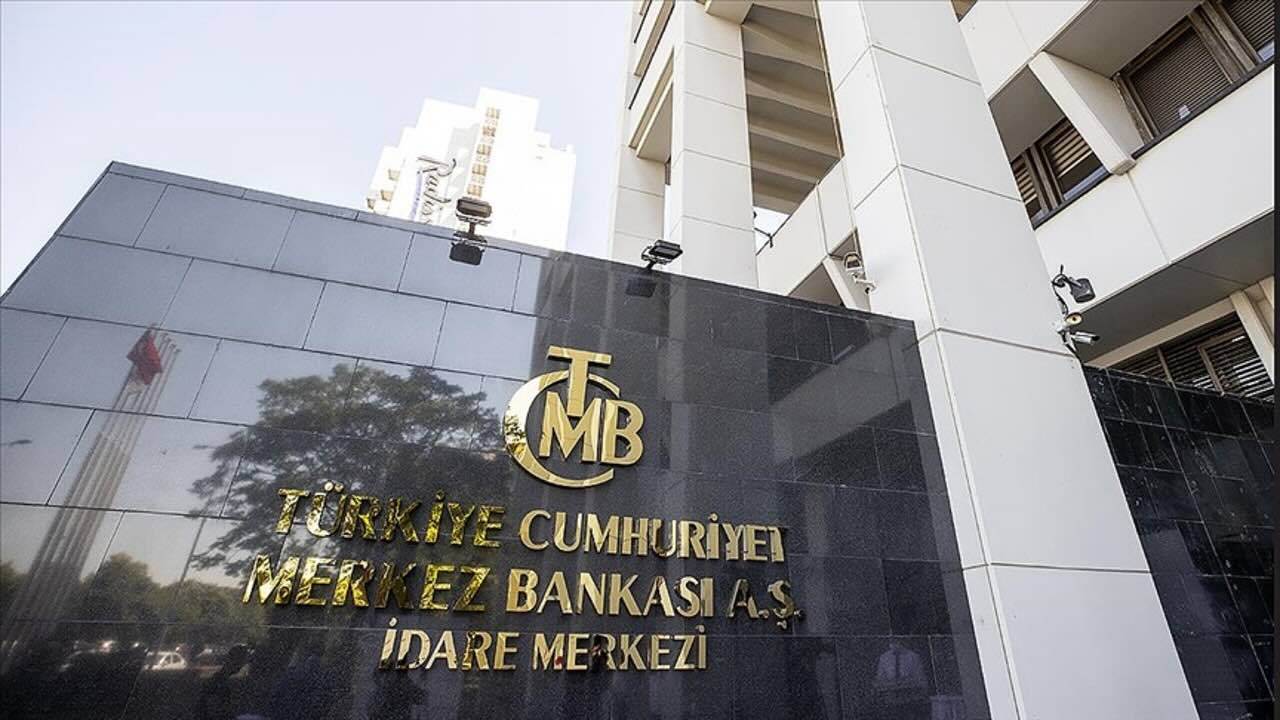
The Central Bank of the Republic of Türkiye (TCMB) has signaled a decisive acceleration in its pursuit of a national digital currency, reporting the imminent completion of the second development phase of the Digital Turkish Lira (DTL) project.
The newly released progress report confirms that the DTL initiative is moving past the conceptual stage, successfully maturing its prototype into a Minimum Viable Product (MVP) and preparing the technical groundwork necessary for broader public integration. This comprehensive effort positions Türkiye among the world leaders actively shaping the future of national digital finance.
Core Capabilities and Technical Advancement
Phase II of the DTL project moved beyond initial research to focus on hardening the system and integrating cutting-edge features crucial for a modern currency.
Programmable and Offline Payments
A central focus of the development has been the implementation of two vital capabilities: programmable payments and offline transaction functionality.
- Programmable Payments will enable the DTL to execute transactions automatically only when specific, pre-determined conditions are met, opening up applications for smart contracts, targeted government aid distribution, and complex business-to-business settlements.
- Offline Payments are essential for promoting financial inclusion, ensuring that transactions can be carried out reliably in areas with limited or no internet connectivity—a feature often prioritized by major emerging economies.
Interoperability and Cross-Border Potential
The TCMB is actively integrating financial intermediaries—including commercial banks and FinTech companies—into the digital network, moving away from a closed-circuit test environment. This ensures the DTL will function seamlessly with existing payment systems.
Furthermore, the bank has successfully completed proof-of-concept studies for cross-border payments, exploring mechanisms that could allow the DTL to facilitate international trade settlements and remittances with greater speed and lower cost than current correspondent banking networks.
Strategic Pillars: Sovereignty and Stability
The DTL project is fundamentally guided by five core operational principles, highlighting Türkiye's intent to maintain control and stability in a volatile global monetary environment:
- Monetary Sovereignty: The DTL is designed to uphold the stability and control of the national currency, preserving the central bank's role in setting monetary policy.
- Privacy: While digital identity is critical for compliance, the design adheres strictly to the principle of consumer privacy.
- Technological Flexibility & Interoperability: The DLT-based architecture is engineered to be flexible, adaptable to future innovations, and capable of integrating smoothly with all existing financial platforms.
- Decentralized Access: The system ensures non-reliance on any single financial intermediary, guaranteeing resilient public access.
Global Context and Future Outlook
Türkiye's progress places it in the advanced guard of global CBDC development. Current data from the Bank for International Settlements (BIS) indicates that while 91% of central banks worldwide are exploring digital currencies, only a small number are in the pilot or implementation phase.
Like other major emerging market economies (EMDEs), Türkiye's approach to the DTL is strongly motivated by promoting financial inclusion and securing monetary sovereignty, particularly against the backdrop of increasing global volatility.
The TCMB is now preparing to transition to Phase III, which will involve expanded pilot tests with scenarios designed to increase real-time usage and participation across a broader demographic. This final phase, which includes establishing the necessary legal and economic frameworks, will precede any decision regarding the final circulation of the Digital Turkish Lira as a complementary component of the nation's payment infrastructure.