
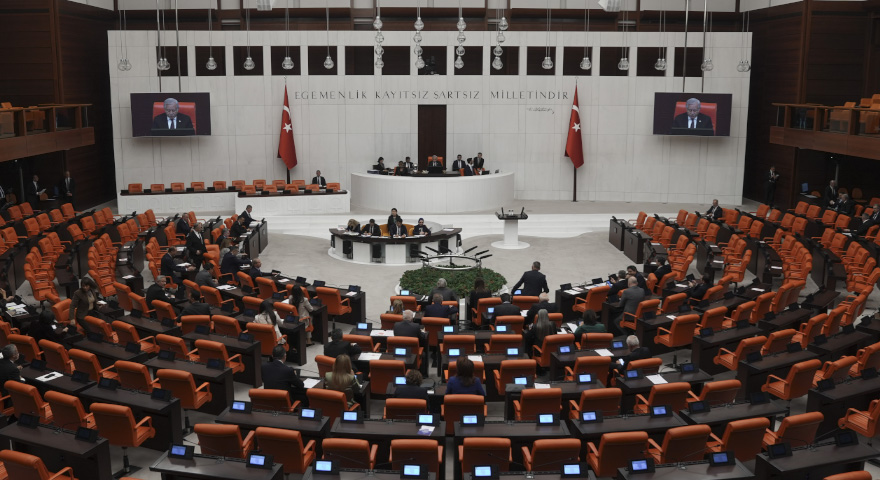
Türkiye's Grand National Assembly has approved a two-year extension of the mandate authorizing the deployment of the Turkish Armed Forces (TSK) in Libya, reaffirming Ankara's long-standing military and diplomatic engagement in the conflict-affected North African country.
The motion, submitted by the Presidency and adopted during parliamentary sessions, extends the mandate until the end of 2027. Turkish officials argue that Libya's continued political fragmentation, fragile security environment, and the absence of a comprehensive and lasting settlement necessitate sustained international support — including Türkiye's presence under existing bilateral agreements.
Why the Mandate Was Extended
In the justification presented to lawmakers, the government underlined that Libya has yet to achieve full political unity or durable institutional stability. Ongoing rivalries between competing authorities, delays in holding national elections, and persistent security threats were cited as key factors behind the decision.
According to the motion, Türkiye's military role is framed not as a combat deployment but as a mission centered on training, advisory support, and coordination with Libya's internationally recognized authorities. Ankara maintains that this presence contributes to deterrence, helps preserve ceasefire arrangements, and supports international efforts aimed at preventing Libya from sliding back into large-scale conflict.
Background: Türkiye's Role in Libya
Türkiye first received parliamentary authorization to deploy troops to Libya in early 2020, following formal requests from Libya's UN-recognized government. Since then, the mandate has been renewed periodically, reflecting Ankara's assessment that conditions on the ground remain volatile.
Over the past five years, Türkiye has positioned itself as a key external actor in Libya, combining military cooperation with diplomatic initiatives and economic engagement. Turkish officials consistently emphasize respect for Libya's sovereignty and territorial integrity, presenting their involvement as aligned with international law and bilateral accords.
Regional and Strategic Implications
The extension comes at a time when Libya remains a focal point of wider regional competition in the Mediterranean and North Africa. Developments in Libya have direct implications for migration flows, energy security, maritime jurisdiction debates, and counter-terrorism efforts — areas that Ankara views as closely linked to its national interests.
While some regional and international actors remain cautious about foreign military presences in Libya, others see Türkiye's role as a stabilizing factor that has helped prevent renewed large-scale fighting since earlier phases of the conflict.
Official Position
Turkish authorities stress that the mandate extension does not preclude a political solution. On the contrary, Ankara argues that security support is necessary to create conditions conducive to dialogue, reconciliation, and eventually credible nationwide elections in Libya.
The government also reiterates that the mandate allows flexibility, enabling Türkiye to adapt its engagement in line with developments on the ground and diplomatic progress led by the United Nations.
Outlook
With Libya's transition process still unresolved, Türkiye's decision to extend its military mandate signals continuity rather than escalation. Ankara appears intent on maintaining its role as a security partner while keeping diplomatic channels open, betting that sustained engagement — rather than withdrawal — offers the best chance for long-term stability in Libya and the wider region.