
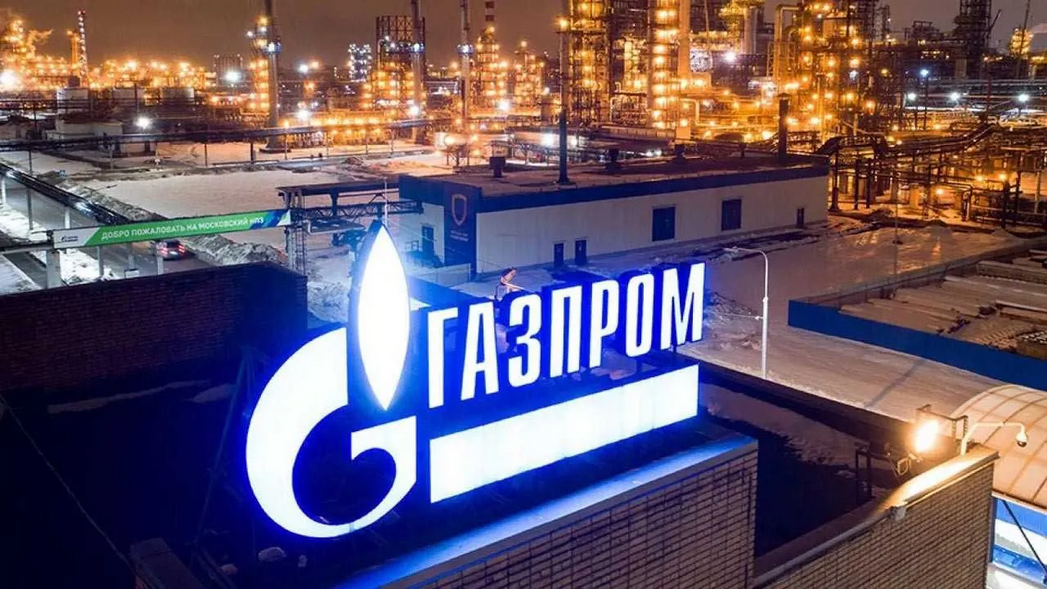
Türkiye Finalizes One-Year Renewal of Gazprom Contracts
Türkiye has officially extended two major natural-gas import contracts with Russia's Gazprom for one year, securing approximately 22 billion cubic meters (bcm) of pipeline gas into 2026. The decision, confirmed by government and industry sources, signals a pragmatic approach by Ankara to ensure winter supply security while continuing to diversify its energy portfolio.
State gas importer BOTAŞ will maintain current delivery volumes during the extension period. The short-term nature of the rollover reflects Türkiye's strategy to avoid long-term lock-ins while it expands LNG capacity and negotiates new supply routes.
Why the Extension Matters
- Volume & duration: A one-year extension covering ~22 bcm — enough to stabilize short-term supply needs.
- Reduced dependency: Russian pipeline gas now makes up under 40% of Türkiye's mix, compared with more than half a decade ago.
- Diversification: Türkiye is increasing U.S. LNG imports and preparing for additional floating regasification units (FSRUs) and potential upstream partnerships.
Energy Minister Alparslan Bayraktar has repeatedly emphasized that Türkiye prefers short-term contracts during this transition phase, allowing the country to negotiate from a position of flexibility.
A Delicate Balance: Energy Security vs. Geopolitical Pressure
The renewal comes at a politically charged moment. During President Erdoğan's recent visit to the White House, U.S. President Donald Trump publicly urged him — in front of cameras — to "stop buying gas from Russia." The remark, delivered with Trump's characteristic bluntness, immediately added geopolitical weight to Ankara's energy calculations. Yet despite the pressure, Türkiye's leadership opted for a one-year rollover, prioritizing short-term supply security amid rising winter demand and the still-incomplete LNG infrastructure meant to diversify future imports.
Insiders note that BosphorusNews has learned the negotiating teams from both governments finalized the terms earlier in the week, closing discussions that had been quietly advancing for months.
Economic and Strategic Considerations
- Cost pressure: Analysts say a premature shift away from Russian pipeline gas toward spot LNG could add several billion dollars to Türkiye's energy bill.
- Market volatility: LNG prices remain sensitive to global shocks, making mixed sourcing a safer path.
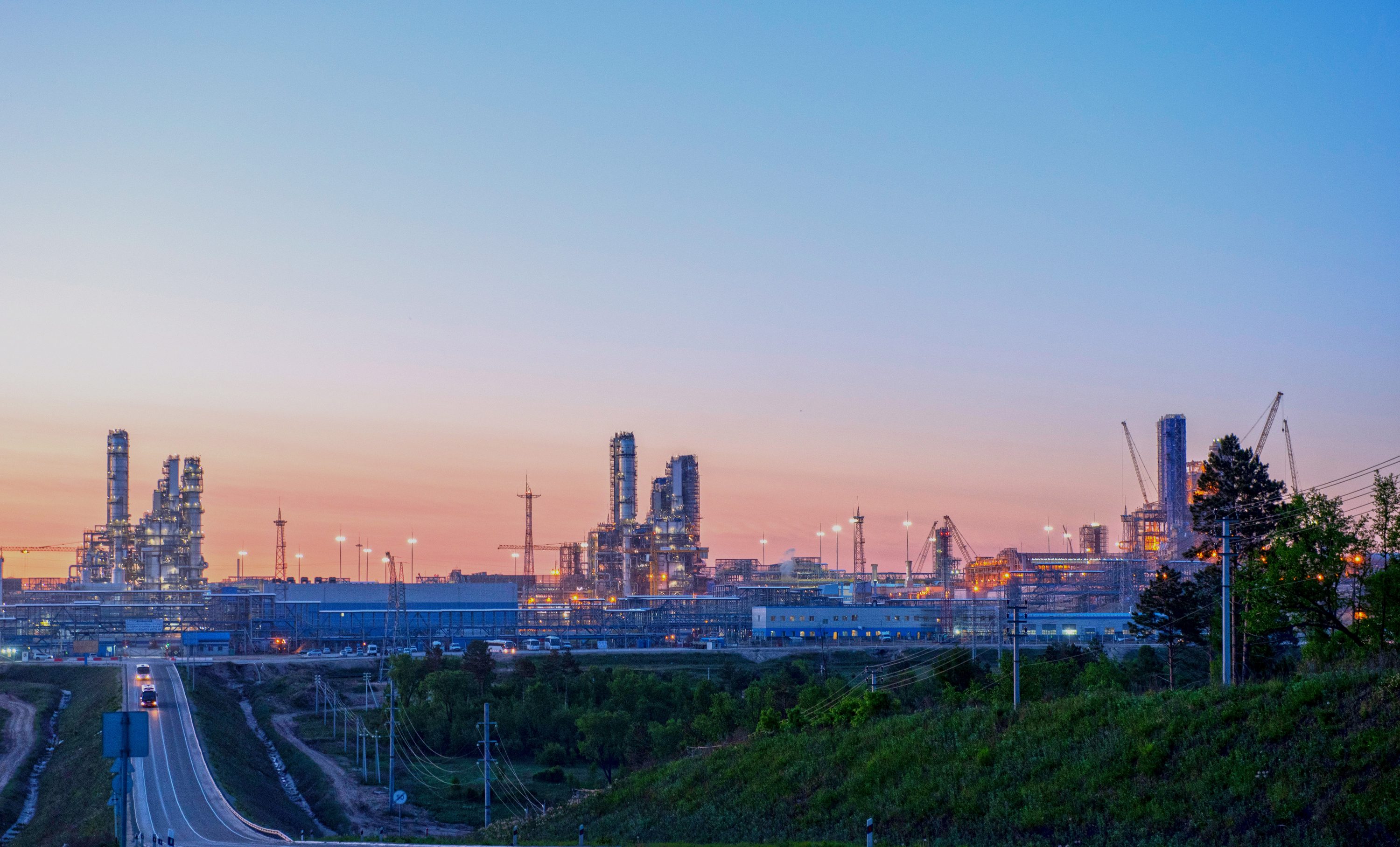
- Infrastructure upgrades: New LNG terminals and regasification platforms are planned, but most will not be operational until late 2026 or beyond.
Impact on Europe and Russia
Türkiye remains a critical transit and consumption hub. For Russia, the extension ensures continued export stability at a time of shrinking European demand. For Europe, Türkiye's decision preserves predictable flows in the Eastern Mediterranean gas network.
Risks Ahead
- Potential U.S. congressional scrutiny of Russian energy transactions.
- Exposure to global LNG price volatility as Türkiye scales up imports.
- Uncertain timelines for new infrastructure and possible geopolitical complications.