
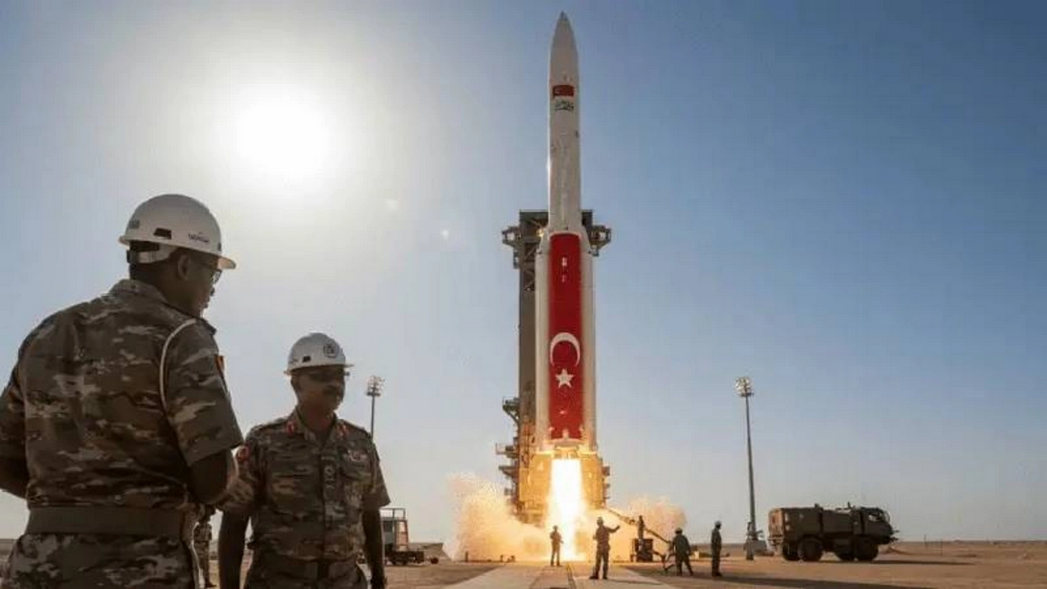
Türkiye has officially begun construction of a space launch facility in Somalia, a project that reflects deepening scientific cooperation between Ankara and Mogadishu. Turkish engineers and Somali partners broke ground on the site earlier this month, signalling a significant step forward in space infrastructure development in the Horn of Africa.
The initiative has drawn attention as a symbol of long-term bilateral partnership, extending beyond traditional development and humanitarian support into high-technology collaboration. During a recent visit, Selçuk Bayraktar, Türkiye's lead in aerospace projects, stated that "Türkiye now has a space port in Somalia," underscoring the milestone nature of the effort and the trust between the two nations.
What the Project Entails
The emerging space facility — often described in media as a "space port" — is intended to support satellite launches, research missions, and specialised aerospace activity rather than immediate orbital deployments. Officials explain that over time the centre will facilitate a platform for African and Turkish researchers, academics, and students to engage in aerospace technology, satellite communications, and atmospheric science.
The facility's design includes a launch and testing area, support infrastructure, and logistical hubs. The exact technical specifications and timeline for operational readiness remain in development, with engineering phases expected to continue over the next several years in coordination with Somali authorities.
Strategic and Scientific Importance
This development marks a notable moment in both Turkish and African science diplomacy:
- Scientific cooperation: The space port project will provide a base for joint research in aerospace, earth observation, and space technology applications, including weather monitoring and telecommunications.
- Capacity building: Somali academics and students are expected to be directly engaged through training programmes, scholarships, and exchange exchanges supported by Turkish institutions.
- Regional impact: While not a full orbital launch site by current public assessments, the facility represents a regional centre of excellence that may serve neighbouring countries in the Horn of Africa.
Experts note that space infrastructure often serves as a springboard for broader technological ecosystems, and that even early-stage facilities can catalyse innovation hubs, data analysis competencies, and industrial growth.

Official Statements and Reactions
Selçuk Bayraktar — known for his role in developing Turkey's indigenous unmanned aerial systems — pointed to the symbolic and practical value of the project. He highlighted that this initiative is not merely about physical infrastructure but about building scientific bridges and human capital.
Somali officials have welcomed the project as a major opportunity for their country's scientific and economic development. They see the space collaboration as a platform to strengthen education, research, and technological self-reliance in a region historically underserved by high-technology investments.
Broader Türkiye–Somalia Relations
Türkiye and Somalia have maintained strong ties for years, with Ankara substantially involved in development, education, and humanitarian assistance since the early 2010s. Turkish investment in infrastructure, health services, and capacity building has forged goodwill and practical cooperation. The space port initiative is often framed by officials as the next chapter in this evolving partnership.
Turkey's engagement in Somalia also reflects a broader diplomatic and economic strategy of supporting sustainable development while advancing scientific and technological cooperation in Africa. Experts say that this approach aligns with Ankara's regional outreach and its emphasis on mutually beneficial collaboration, rather than unilateral projects.