
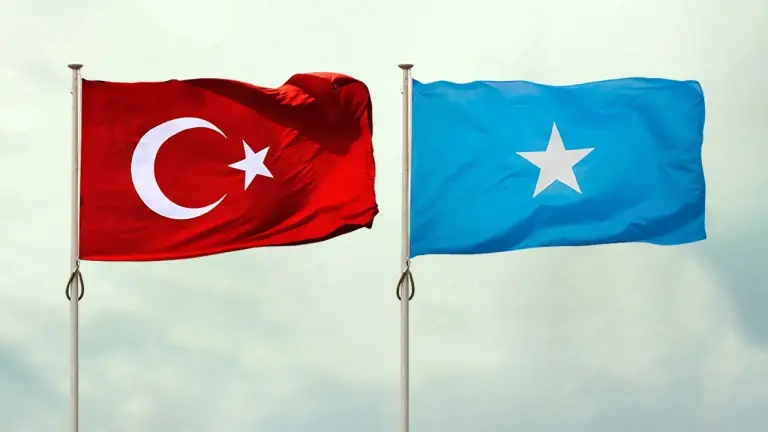
A Partnership Rooted in History
Relations between Türkiye and Somalia stretch back to the late Ottoman period, when the empire maintained influence along the Red Sea and Horn of Africa. Modern diplomatic ties were formalized in the 20th century, and despite interruptions during Somalia's civil war, the relationship was fully restored in 2011, when Türkiye became one of the first nations to return to Mogadishu with humanitarian aid.
Since then, Türkiye has emerged as one of Somalia's closest allies — investing more than a billion dollars in development projects, restoring hospitals, rebuilding roads, operating Mogadishu's airport and port, and providing security training. What began as humanitarian outreach grew into a broad, long-term political and economic partnership.
New Phase: Oil Exploration Begins in 2026
Ankara's newest move in Somalia is a major energy initiative: Türkiye plans to begin offshore oil drilling in Somali waters in 2026. Onshore drilling is set to follow.
Somalia is believed to hold significant untapped reserves. For years, poor security and lack of infrastructure prevented exploration, but the upcoming drilling signals a shift toward long-term economic development.
Turkish officials acknowledge the challenges ahead: some of the inland areas targeted for exploration have no road network, requiring substantial investment before machinery and personnel can arrive. Still, the potential economic payoff — for both countries — has made the 2026 drilling schedule a priority.
For Somalia, the discovery of commercially viable oil could be transformative, opening a new era of revenue, jobs, and national economic strength.
For Türkiye, the move supports its strategy of diversifying energy sources while strengthening its presence in the strategically vital Horn of Africa.
Maritime Cooperation Strengthens
In parallel with the energy push, Türkiye and Somalia have intensified collaboration on maritime infrastructure. High-level meetings in late 2025 focused on developing Somali ports, improving logistics, and bolstering maritime security.
Port modernization is crucial for Somalia, where nearly all goods enter the country by sea. Better infrastructure will improve trade, drive down import costs, and support economic recovery.
On the security side, Türkiye has already trained thousands of Somali soldiers and supported the development of Somali maritime forces. This cooperation is expected to expand, with discussions touching on naval patrols, anti-piracy capabilities, and long-term maritime security planning.
Why This Matters
For Somalia:
- A chance to unlock offshore oil wealth after decades of conflict.
- New port investments that can revive trade and create jobs.
- Stronger maritime security in one of the world's most sensitive sea corridors.
For Türkiye:
- A strategic foothold in the Horn of Africa and the Indian Ocean basin.
- Energy diversification at a time of global competition for resources.
- A strengthening role as a development and security partner in Africa.
For the region:
- Better maritime security along the Gulf of Aden and the Somali coast.
- Reduced piracy risks affecting global trade routes.
- A model of long-term, multifaceted cooperation between a regional power and an emerging African state.
Looking Ahead
With drilling set to begin in 2026 and maritime projects rolling out steadily, the Türkiye–Somalia partnership is entering one of its most ambitious phases yet. The next two years will reveal whether these plans can overcome Somalia's logistical and security challenges — and whether this cooperation can reshape the economic future of the Horn of Africa.