
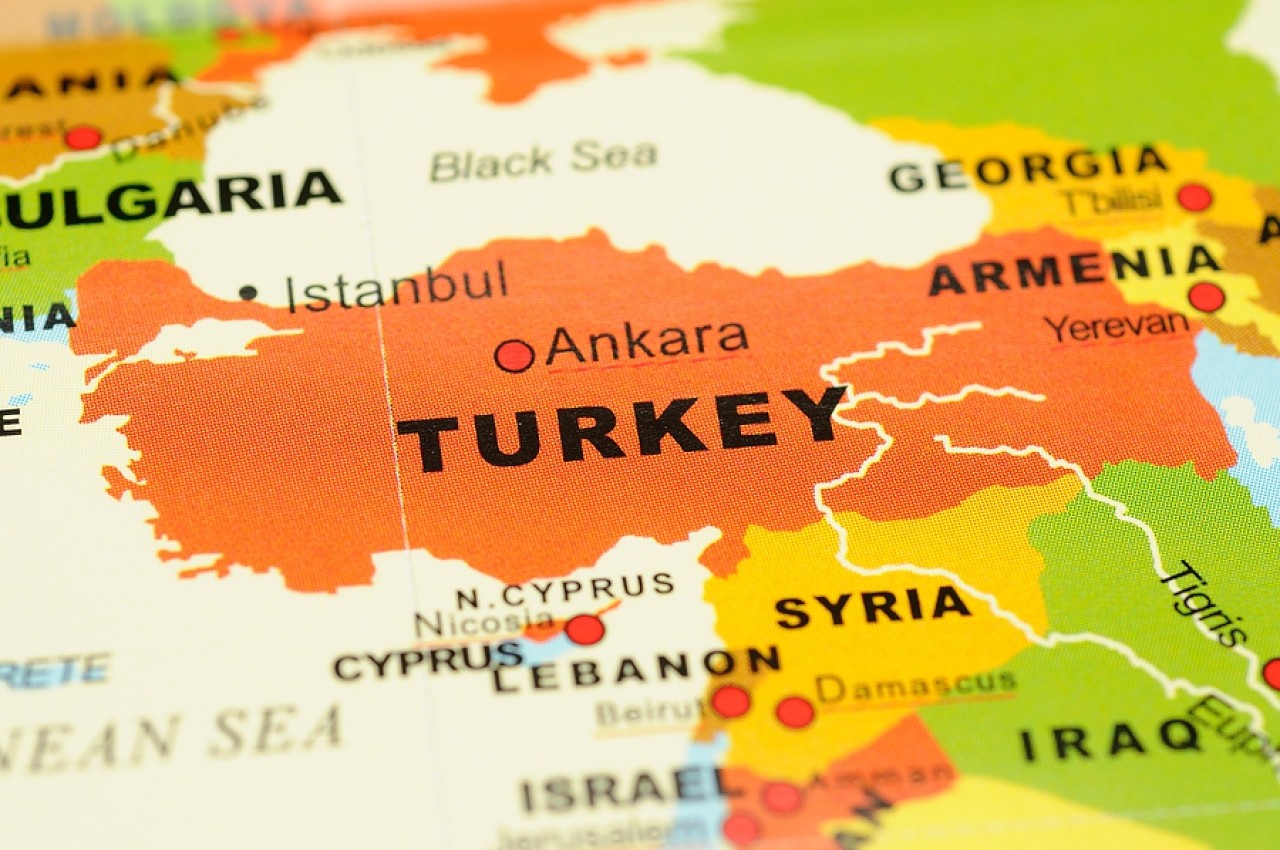
Türkiye and Armenia have launched preparatory technical work at the Alican border crossing, marking a tangible step toward reopening one of the most symbolically significant gateways between the two neighbors after decades of closure.
According to official and media statements from both sides, expert teams have begun on-site technical assessments at the Alican (Alijan) checkpoint to evaluate infrastructure, customs facilities, and security requirements. The work is described as preliminary and procedural, aimed at determining what upgrades or adjustments would be needed before any potential reopening.
What Is Happening on the Ground
The assessments reportedly focus on physical infrastructure, border control systems, and logistical readiness. Officials have emphasized that the process does not yet constitute a political decision to fully reopen the crossing, but rather a necessary technical step that would enable such a move if and when political conditions align.
Sources indicate that the reopening, if approved, would initially prioritize limited crossings — potentially for third-country nationals and diplomatic or commercial traffic — rather than unrestricted movement.
A Border Closed Since the 1990s
The Alican crossing has remained closed since 1993, when Türkiye shut its border with Armenia amid the First Nagorno-Karabakh War, citing Armenia's occupation of Azerbaijani territories at the time. Since then, the closed border has been one of the most enduring features of the South Caucasus geopolitical landscape.
Despite periodic attempts at rapprochement — most notably the 2009 Zurich Protocols — normalization efforts have repeatedly stalled due to unresolved regional conflicts, domestic political sensitivities, and shifting alliances.
Recent Normalization Efforts
The current technical work follows a renewed normalization track launched in late 2021, when Ankara and Yerevan appointed special envoys to explore confidence-building measures. Since then, both sides have taken incremental steps, including restoring direct flights and holding regular diplomatic contacts.
From Ankara's perspective, normalization with Armenia has been framed as part of a broader regional stabilization strategy, closely coordinated with Azerbaijan and aligned with Türkiye's emphasis on dialogue, connectivity, and economic integration in the South Caucasus.
Türkiye's Position
Turkish officials have consistently stressed that normalization is a gradual, reciprocal process. Any reopening of the border is expected to proceed in stages and in coordination with regional realities, including peace efforts between Armenia and Azerbaijan.
Ankara has underlined that reopening border crossings is not merely a bilateral gesture, but a development with broader implications for trade routes, regional connectivity, and confidence-building across the Caucasus.
Potential Regional Impact
If reopened, the Alican crossing could facilitate trade, reduce transportation costs, and enhance people-to-people contact, particularly in eastern Türkiye and western Armenia. Analysts note that even limited opening would carry strong symbolic weight, signaling a shift from decades of isolation toward pragmatic engagement.
However, observers also caution that technical readiness alone will not be sufficient. Sustained political will and regional coordination will remain essential for translating preparatory work into lasting change.
Looking Ahead
The launch of technical assessments suggests cautious progress rather than a breakthrough. Still, it represents one of the most concrete developments in Türkiye–Armenia relations in years.
Whether the Alican crossing ultimately reopens will depend on how technical findings, diplomatic dialogue, and regional dynamics converge in the months ahead.