
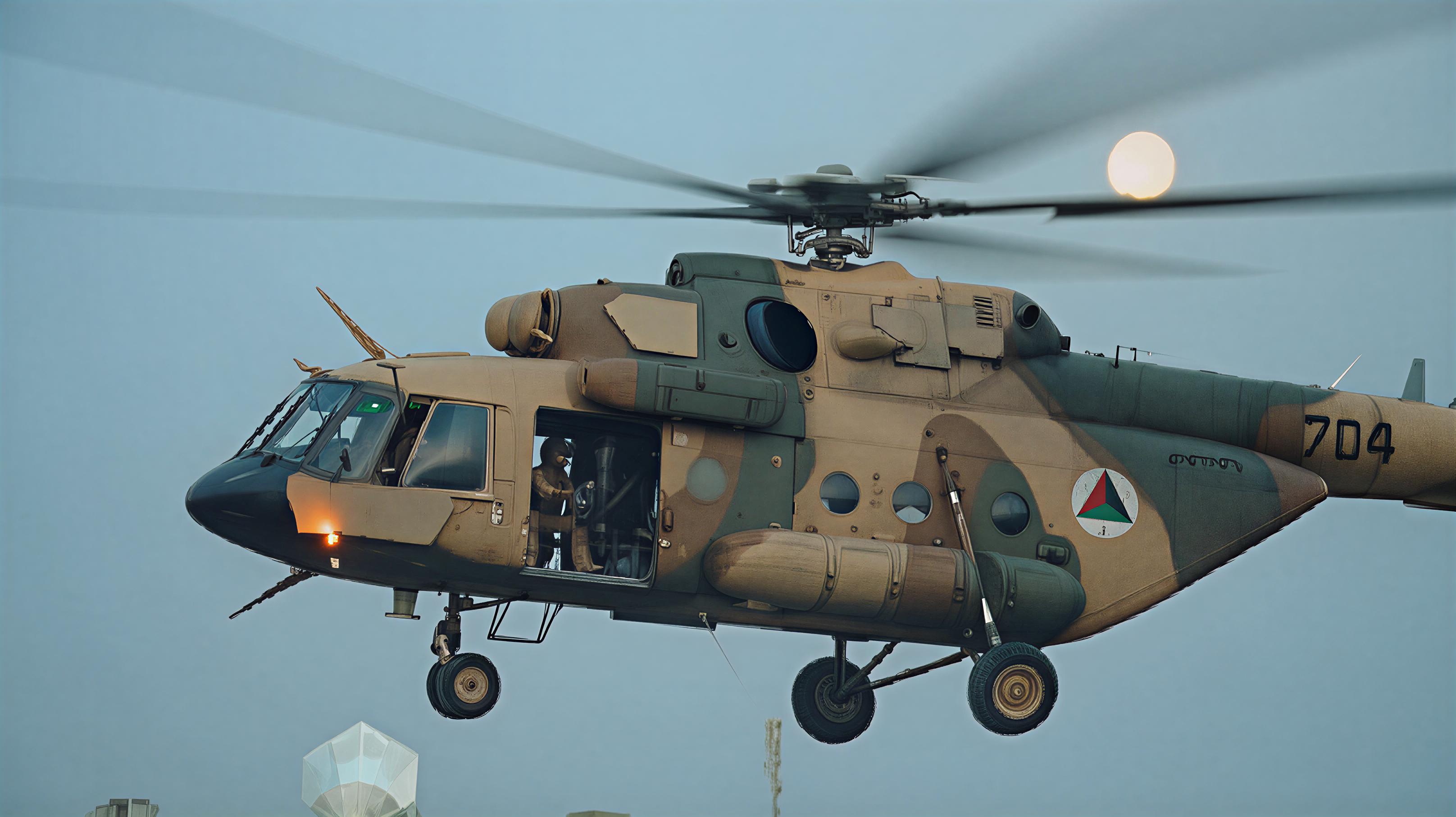
Türkiye's defense and aviation sectors are expanding capabilities across manned and unmanned rotorcraft with two notable developments: the conversion of older UH-1 utility helicopters into unmanned aerial systems (UAS) and the induction of new T-129 ATAM attack helicopters into gendarmerie service.
Officials say these initiatives reflect broader efforts to modernize air units, extend operational flexibility, and integrate advanced technologies into both surveillance and combat roles.
Converting UH-1s Into Unmanned Platforms
The Turkish Aerospace Industries (TAI)-led program aims to retrofit legacy UH-1 Iroquois utility helicopters—long a staple of Türkiye's armed forces—into optionally piloted or fully unmanned platforms. The conversion process involves installing autopilot systems, remote control interfaces, and sensor packages that enable unmanned operation for reconnaissance, transport, and support missions.
Defense analysts note that such conversions can extend the service life of existing airframes while offering new mission sets without the expense of entirely new production. Similar modernization efforts have been undertaken in other countries seeking to adapt proven platforms to evolving battlefield requirements.
T-129 ATAM Helicopters Join Gendarmerie Fleet
Meanwhile, the T-129 ATAM (Advanced Technology Attack Helicopter) program continues its rollout across Turkish security forces. The latest batch of T-129s has been delivered to the Gendarmerie Command, expanding the fleet beyond army and air force units.
The T-129, developed jointly by Turkish Aerospace Industries and partner firms, is designed for attack and armed reconnaissance missions. It incorporates advanced avionics, targeting systems, and weapons integration that support precision engagements in varied environments. Its deployment to the Gendarmerie—a paramilitary force with both internal security and border roles—demonstrates Türkiye's focus on broadening the utility of armed helicopters across multiple agencies.
Strategic and Operational Context
Türkiye has prioritized aerial modernization amid evolving security dynamics and operational demands. Rotary-wing aircraft remain central to mobility, reconnaissance, and close air support, particularly in rugged terrain and areas with limited infrastructure. By combining unmanned conversions with new attack helicopter deployments, Türkiye seeks to balance cost-effectiveness with technological advancement.
Unmanned conversions of existing airframes, such as the UH-1, are part of a global trend in which legacy platforms are adapted for new roles. These adapted systems can perform high-risk missions without putting aircrew at direct risk, while also offering training, logistics, and surveillance applications.
The T-129's expanding role highlights continued investment in combat rotorcraft that can support both domestic security operations and potential future missions within broader cooperative defense frameworks.
Outlook
As both conversion and procurement programs proceed, Türkiye's aviation units are expected to train crews, refine unmanned systems integration, and assess the operational impact of these changes. Defence industry specialists say that integrating unmanned capabilities alongside traditional aviation assets will require investment in command-and-control systems, airspace deconfliction procedures, and cross-platform interoperability.
For Türkiye's armed and security forces, these developments represent incremental steps toward a more flexible and technologically diverse aviation posture capable of responding to a wide range of mission requirements.