
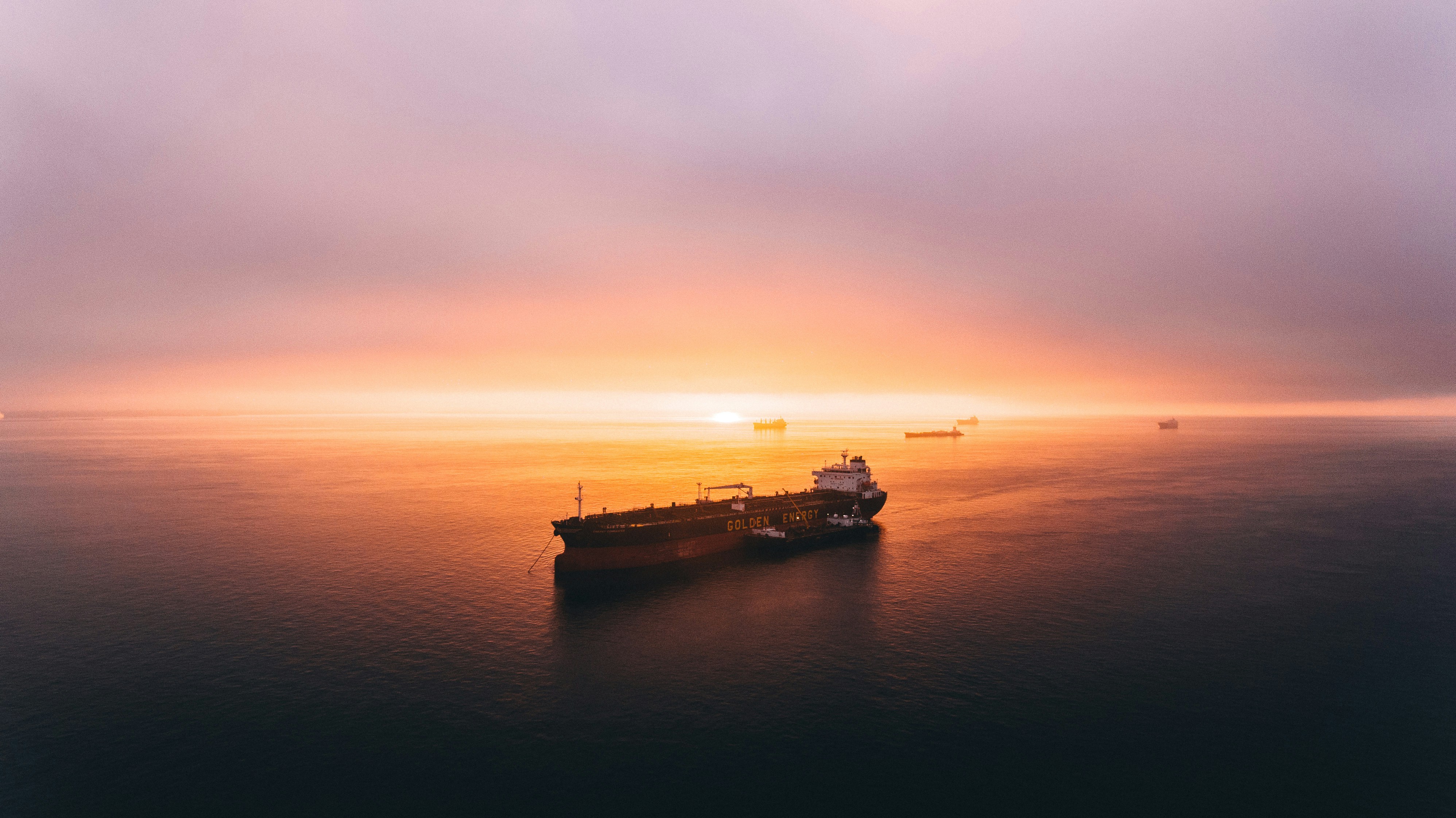
Oil tankers linked to Russia's so-called "shadow fleet" — vessels operating outside standard Western insurance and compliance systems — have increasingly adjusted their Black Sea routes closer to Türkiye's coastline following a series of recent tanker attacks, according to converging maritime tracking patterns and regional reporting.
The shift does not appear to be the result of any formal directive, but rather a risk-mitigation response by operators navigating an increasingly volatile maritime environment. Attacks on ageing tankers associated with Russian oil exports have heightened concerns over vessel safety, insurance exposure, and operational continuity.
A Tactical Adjustment, Not a Strategic Realignment
Maritime observers caution that the rerouting should be understood as a practical navigation choice, not a geopolitical signal. By remaining closer to Türkiye's coastal shipping corridors — while staying in international waters — tankers may be seeking routes perceived as safer due to heavier commercial traffic, clearer navigation rules, and stronger monitoring capacity.
This pattern has become more noticeable as security risks have grown in central and eastern sections of the Black Sea, where military activity and asymmetric threats have increased since the war began.
What Defines the "Shadow Fleet"
The vessels commonly described as part of the shadow fleet typically feature complex ownership structures, frequent flag changes, and alternative insurance arrangements. Many are older tankers that would face higher compliance costs under stricter regulatory regimes.
These ships have drawn attention not only for their role in sustaining Russian oil exports under sanctions, but also for the safety and environmental risks associated with operating outside mainstream oversight frameworks — particularly in confined or strategically sensitive waters such as the Black Sea.
Türkiye's Core Concern: Maritime Safety and Environmental Risk
From Ankara's perspective, the issue is fundamentally about navigation safety, environmental protection, and regional stability, rather than alignment with any party to the conflict. Türkiye has consistently emphasized the need to avoid incidents that could threaten civilian shipping or cause ecological damage in the Black Sea.
As a major coastal state and the guardian of the Turkish Straits under the Montreux Convention, Türkiye has a direct interest in monitoring increased tanker traffic near its shores. Any accident involving a poorly insured or technically vulnerable vessel would carry immediate consequences for coastal communities, fisheries, and maritime trade.
Sanctions Pressure and Unintended Maritime Effects
The rerouting trend also highlights a structural challenge facing sanctions enforcement. While financial and legal restrictions have constrained traditional shipping and insurance channels, they have not eliminated physical oil transport. Instead, they have encouraged the emergence of parallel maritime practices that are harder to regulate and potentially riskier.
This dynamic places additional responsibility on coastal states to manage safety and environmental exposure — even when they are not parties to the sanctions regimes themselves.
A More Fragile Black Sea Environment
The Black Sea is already operating under elevated strain due to ongoing conflict, naval activity, disrupted trade routes, and rising insurance costs. Increased movement of ageing tankers through congested sea lanes adds another layer of vulnerability to an already tense maritime setting.
For Türkiye, maintaining freedom of navigation while preventing accidents and escalation remains a delicate balancing act.
Outlook: Quiet Shifts, Real Consequences
As long as tanker attacks continue and sanctions enforcement remains tight, shadow fleet operators are likely to keep adapting their routes. Türkiye's challenge will be to uphold maritime safety, environmental protection, and legal order without being drawn into broader confrontations.
The situation illustrates a broader reality of the Black Sea conflict: even without direct involvement, Türkiye increasingly feels the secondary effects — not through headlines, but through changing shipping patterns that carry real, long-term implications for regional stability.