
By Bosphorus News Geopolitics Desk
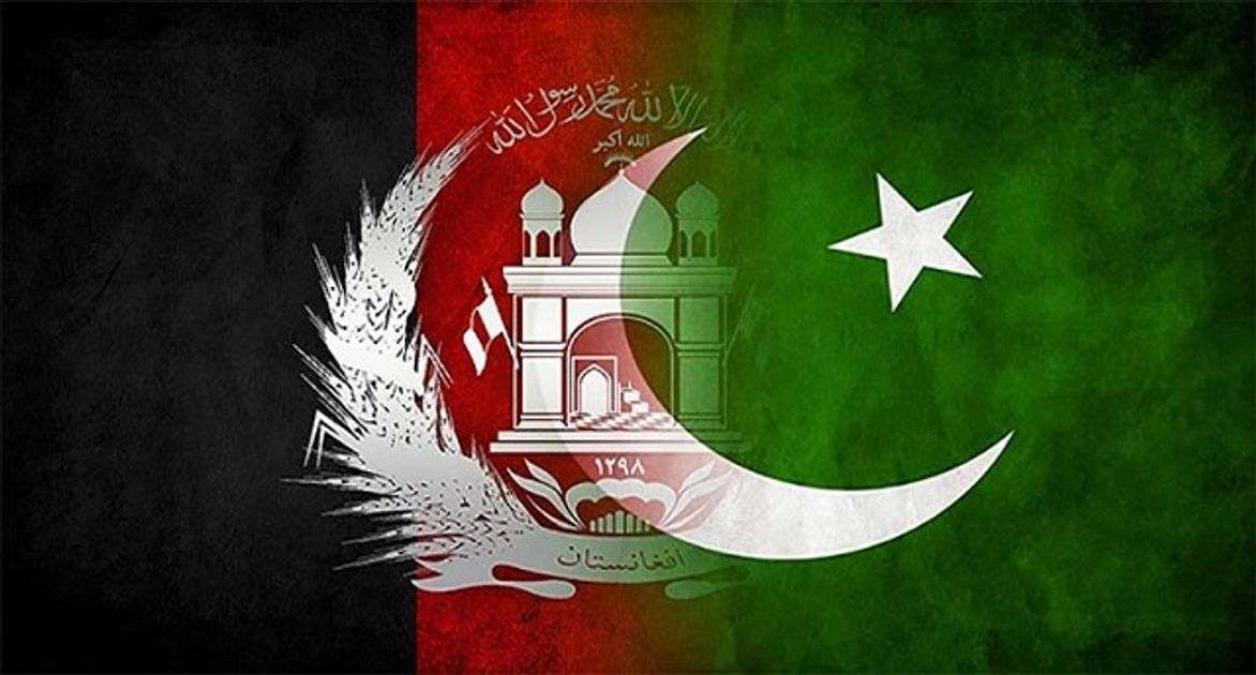
Türkiye is now involved in more than one crisis at the same time, speaking to different capitals, carrying messages and trying to stop local escalations from turning into something larger. The Pakistan–Afghanistan front shows how useful that role can be, but also how quickly it runs into its limits when the dispute underneath a ceasefire remains unresolved.
The latest truce expired at midnight on March 23–24 without an extension. The five-day Eid al-Fitr pause had been arranged through contacts involving Türkiye, Qatar and Saudi Arabia, but by the final hours both sides were already pointing back toward renewed fighting. Islamabad's messaging left little doubt that military operations would continue, while Taliban authorities kept rejecting Pakistan's core accusation that Afghan territory is being used by militant groups to prepare attacks.
Ankara remained active until the deadline. Foreign Minister Hakan Fidan spoke with Pakistani Foreign Minister Ishaq Dar on March 23, only hours before the ceasefire ran out. The call focused on efforts to halt the fighting. What stood out just as much was what did not appear in public readouts that day. No matching contact with Kabul was reported at the same moment, leaving Türkiye without a visibly balanced diplomatic line to both sides as the pause approached its end.
That does not mean Türkiye was peripheral to the file. Quite the opposite. Prime Minister Shehbaz Sharif, in a March 19 call with President Recep Tayyip Erdoğan, explicitly acknowledged Ankara's contribution to the Eid ceasefire and described Türkiye's role as constructive. That matters because it places Türkiye's involvement beyond quiet facilitation and into the realm of openly recognised political credit, at least on the Pakistani side.
Nor was this the first time Ankara had stepped in. Türkiye had already been involved in earlier efforts to contain the conflict, including the October 2025 ceasefire that was followed by technical contacts in Istanbul. Those talks did not produce an agreement, and the truce eventually collapsed. The current round of fighting did not emerge from a vacuum. It returned after an earlier pause had already failed to generate anything durable.
That is where the real problem begins. Temporary ceasefires are not the same thing as a negotiating track, and the Pakistan–Afghanistan file keeps showing the difference. A pause can stop the immediate exchange of fire. It can lower temperature, create diplomatic space and give outside actors something to work with. But once that window closes, the same dispute is still there, waiting in exactly the same place.
Pakistan's position has stayed largely unchanged. It wants verifiable action by the Taliban government against Tehrik-e-Taliban Pakistan and associated militant networks operating from Afghan soil. Kabul continues to reject the premise, denying that its territory is being used in that way. This is why the crisis has proved so resistant to outside management. The argument is not over language, sequencing or protocol. It reaches directly into sovereignty, militancy and enforcement, which are the hardest parts of any border conflict to outsource to diplomacy.
That leaves Türkiye in a role that is real, but narrower than the word mediation can sometimes suggest. Ankara can still call both sides, still help push them toward a pause, and still keep channels open when the temperature rises. It can also work with other states, as it did with Qatar and Saudi Arabia, to prevent a breakdown from becoming immediate and total. What it cannot do by itself is provide the guarantee, pressure or enforcement mechanism that would make a ceasefire hold after the urgent moment has passed.
The Pakistan–Afghanistan crisis is useful for understanding a broader shift in Türkiye's regional diplomacy. Ankara is increasingly present where talks are needed, where messages have to move quickly and where direct contact between rivals becomes harder to sustain. That gives it access and relevance. It does not automatically give it the power to convert short-term de-escalation into a settlement.
That is the line this file keeps exposing. Türkiye remains one of the actors that can step in when the shooting has to stop, at least for a few days. But as long as the central dispute remains untouched, each ceasefire risks becoming less a bridge to negotiation than a brief interruption before the same conflict returns under heavier strain.