
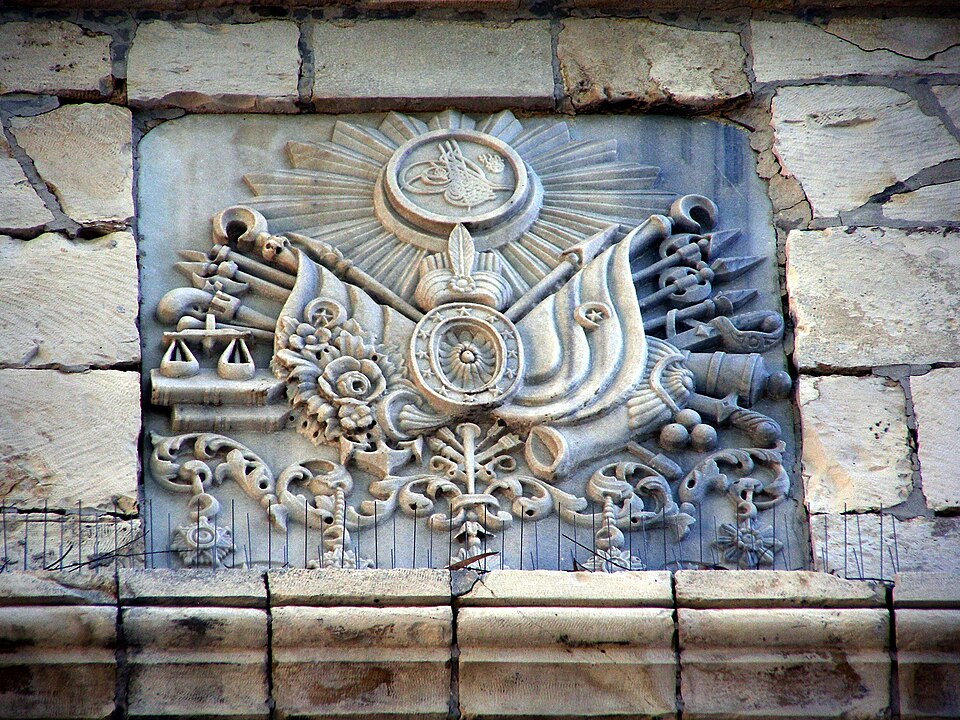
Ruling an empire that stretched three continents demanded unyielding focus, yet Ottoman sultans carved out time for passions that would make modern hobbyists envious: poetry recitals in candlelit divans, the rhythmic scrape of chisel on wood, and the delicate inlay of mother-of-pearl. Far from idle monarchs, 27 of the 36 sultans penned verses under mahlas (pen names), while others turned to woodworking, jewelry, and music as therapy against the throne's crushing weight. This blend of intellect and craft, honed in the Enderun palace school, wasn't just leisure—it grounded them amid coups, wars, and court intrigue.
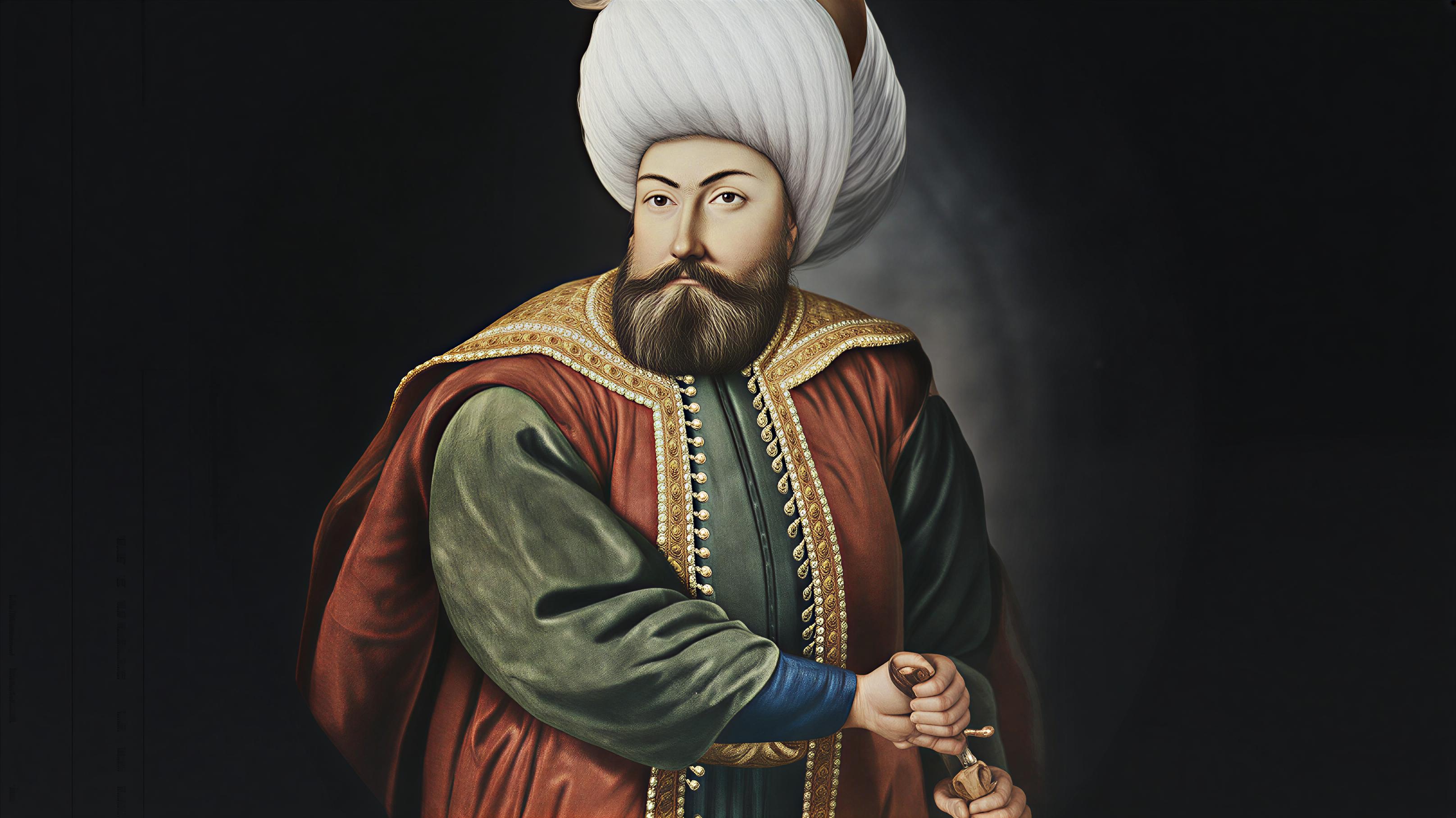
Take Süleyman the Magnificent (Kanuni Sultan Süleyman, r. 1520-1566), the empire's zenith under "Muhibbî" (The Lover). His Third Divan, a 1554 Hamburg manuscript with 657 poems—201 unpublished—mixes Farsî flair and raw emotion. One gem laments lost youth: "The world is a bride adorned for others, / I am but a beggar at her door." Commissioned before executing his son Şehzade Mustafa, it shows a sultan wrestling power's cost, rivaling poets like Bâkî. Selim I (Yavuz, r. 1512-1520) paved this path with "Selîmî," his divan influencing Süleyman.
Woodworking drew reformist souls seeking solace. Mahmud II (r. 1808-1839), the "Peter the Great of Turkey" who crushed the Janissaries in 1826's Auspicious Incident, escaped into carpentry at Yıldız Palace. His Tamirhane-i Hümayun workshop—complete with 1888 European steam engines—trained princes in fine wood carving and inlay. Mahmud gifted intricate pieces to guests, proving even empire-shakers needed downtime.
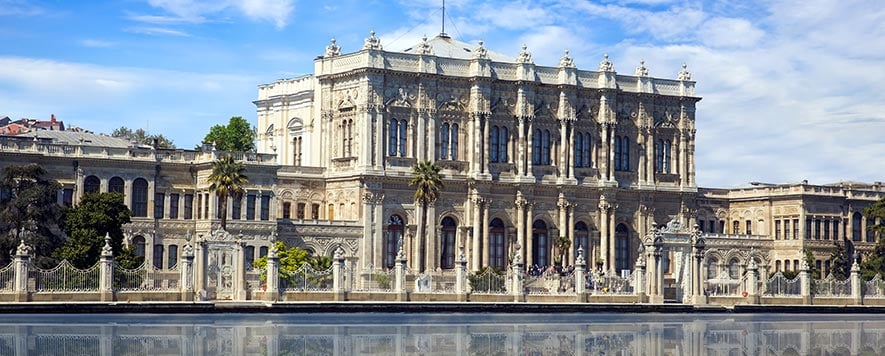
Selim III (r. 1789-1807) took it further, mastering archery rings, saddlery, and canes embedded with gems for pilgrims. Deposed after a 1807 revolt, he clung to his tools: "The sultan calmed his body with carpentry," chroniclers note. His nephew Mehmed III (r. 1595-1603) and son Ahmed I (r. 1603-1617) excelled at spoon-making and ivory archer's rings, skills passed like heirlooms. Abdülhamid II (r. 1876-1909) added jewelry and clockwork, his Yıldız shop yielding pieces now in Dolmabahçe Palace.
Music and calligraphy rounded it out—II. Murad (r. 1421-1451) hosted verse feasts, IV. Murad strung bows like lutes. These pursuits, from Fatih's kasides to II. Bayezid's sibling poetry duels with Cem, humanized god-kings, reminding us: even sultans whittled away worries one verse, one cut at a time.