
North Macedonia Rejects Claims It Will Host Migrants or Camps
North Macedonia's government has firmly rejected reports that it would become a site for migrant camps or "return hubs" as part of broader international migration management discussions. Interior Minister Panche Toshkovski stated unequivocally that the country has no plans and no intention of hosting migrant centres or becoming a location for processing or accommodating asylum seekers from abroad, dismissing recent speculation as unfounded. The comments came during the Global Alliance to Counter Migrant Smuggling conference in Brussels.
Toshkovski stressed that proposals suggesting North Macedonia could accept failed asylum seekers or host migrant camps are "without any basis in reality" and reiterated that such policies are not being discussed by the government.
Context: UK "Return Hub" Discussions and Balkan Reaction
The debate over North Macedonia's potential role in migration processing intensified after British media reported that the United Kingdom is exploring "return hub" arrangements with several Western Balkan states, including North Macedonia, Serbia and Kosovo. Under these proposals, migrants who have exhausted all asylum appeals in the UK could be relocated to partner countries where they may pursue asylum claims or work opportunities as an alternative to domestic asylum processing.
The plan is part of UK Labour leader Sir Keir Starmer's strategy to deter dangerous Channel crossings, and has drawn attention because it represents a shift from earlier policies such as the Rwanda plan to a model that emphasizes legal processes and international cooperation.
Despite these reports, North Macedonian leaders have pushed back on the idea that their country would serve as a migrant hub. Prime Minister Hristijan Mickoski has said that "no one has asked me and it has never crossed my mind to build migrant camps," explaining that a broader Strategic Partnership Agreement with the UK is intended to promote economic growth and cooperation, not migration placement.
Similarly, the British ambassador to North Macedonia dismissed rumours that the UK-Skopje partnership includes provisions on building migrant camps, describing such claims as inaccurate and emphasising that cooperation is centred on security, trade, and development.
Domestic Debate and Opposition Reaction
Reports of possible return hub negotiations have triggered discussion within North Macedonia's domestic political landscape. Opposition figures, including Venko Filipche of the Social Democratic Union, have launched petitions and political initiatives warning against any agreement perceived to implicate migrant acceptance, arguing it could affect national security and social cohesion.
The opposition's concern reflects broader public unease in several Balkan countries about becoming focal points for migration processing, especially when reports suggest that economic incentives or development packages could be tied to such agreements.
Migration Trends and the Balkan Route
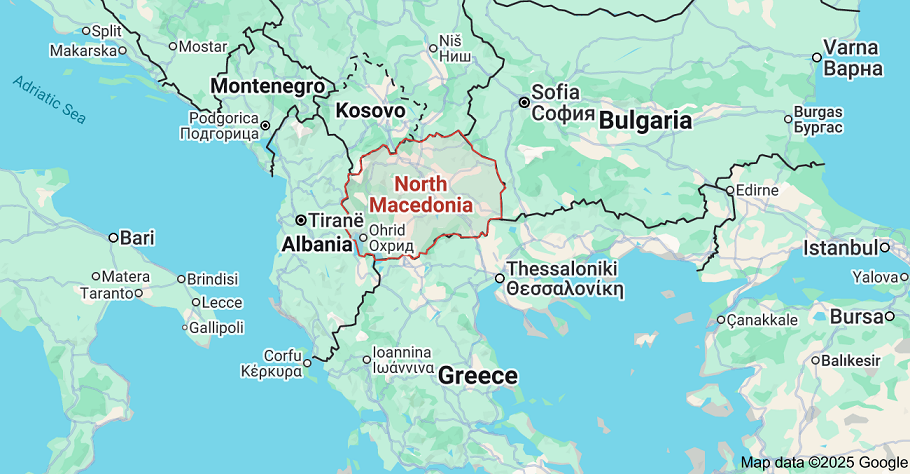
North Macedonia's position as a transit country lies along a well-known Balkan migration corridor frequently used by asylum seekers travelling from the Middle East and Africa toward Western Europe. Recent official data cited by interior ministry officials at international forums indicate a modest reduction in irregular migrant flows through the country, with decreases observed from both southerly and northerly border crossings.
Although transit migration remains part of broader regional movement patterns, the government emphasises that North Macedonia will not pursue a policy of accepting migrants as a permanent destination or processing hub.
Broader Regional and Policy Context
The debate over migration hubs highlights ongoing tensions across Europe and its neighbouring regions about how to manage irregular migration effectively and humanely. Western Balkan countries have been discussed in international policy circles — including informal talks with the UK — as possible partners in migration management because of their location and legal frameworks.
At the same time, several countries have rejected the idea of hosting return hubs, with Bosnia and Herzegovina explicitly voicing opposition on grounds of national interest.
Policymakers in Skopje have repeatedly stated that harmonising North Macedonian asylum and migration law with EU standards remains a priority as part of the country's broader European integration process, but that does not extend to hosting external migrant centres or camps.
Diplomatic Signals and Future Outlook
For Ankara and other capitals watching these developments, the North Macedonian response signals a careful balancing act: engaging with Western partners on security and bilateral relations while safeguarding domestic policy autonomy. The debate also underscores broader European challenges in managing migration in a way that respects national sovereignty, international law and human rights.
Observers say that clear communication from governments about policy intentions and legal frameworks will be important to prevent public misunderstanding and to build cooperative approaches that address irregular migration without disproportionately burdening transit countries or infringing on their policies.