
Widespread Pox Outbreak in Greece Endangers Feta Production — Global Impact Looms
Greece — a traditional heartland of feta production — is facing one of its worst livestock health crises in recent decades. A rapidly spreading sheep-and-goat pox has led to the death or culling of upwards of half a million animals, prompting farmers and industry observers to warn of a looming feta cheese shortage both domestically and internationally.
This dramatic situation comes after multiple reports across farming-news sites, agricultural outlets and international media highlighting the scale and severity of the outbreak.
Scale of the Crisis: Hundreds of Thousands Culled
- According to multiple sources, nearly 400,000 to 500,000 sheep and goats have been either culled or lost to the disease so far, as authorities and farmers attempt to contain the contagion.
- Consequent lockdowns and quarantines in infected regions have disrupted normal farming operations, including milking and breeding — the primary backbone of feta cheese production.
- Many small- and medium-sized dairies are reportedly suspending milk collection altogether, citing safety and supply concerns.

Why This Threatens Feta — and What "Global Shortage" Could Mean
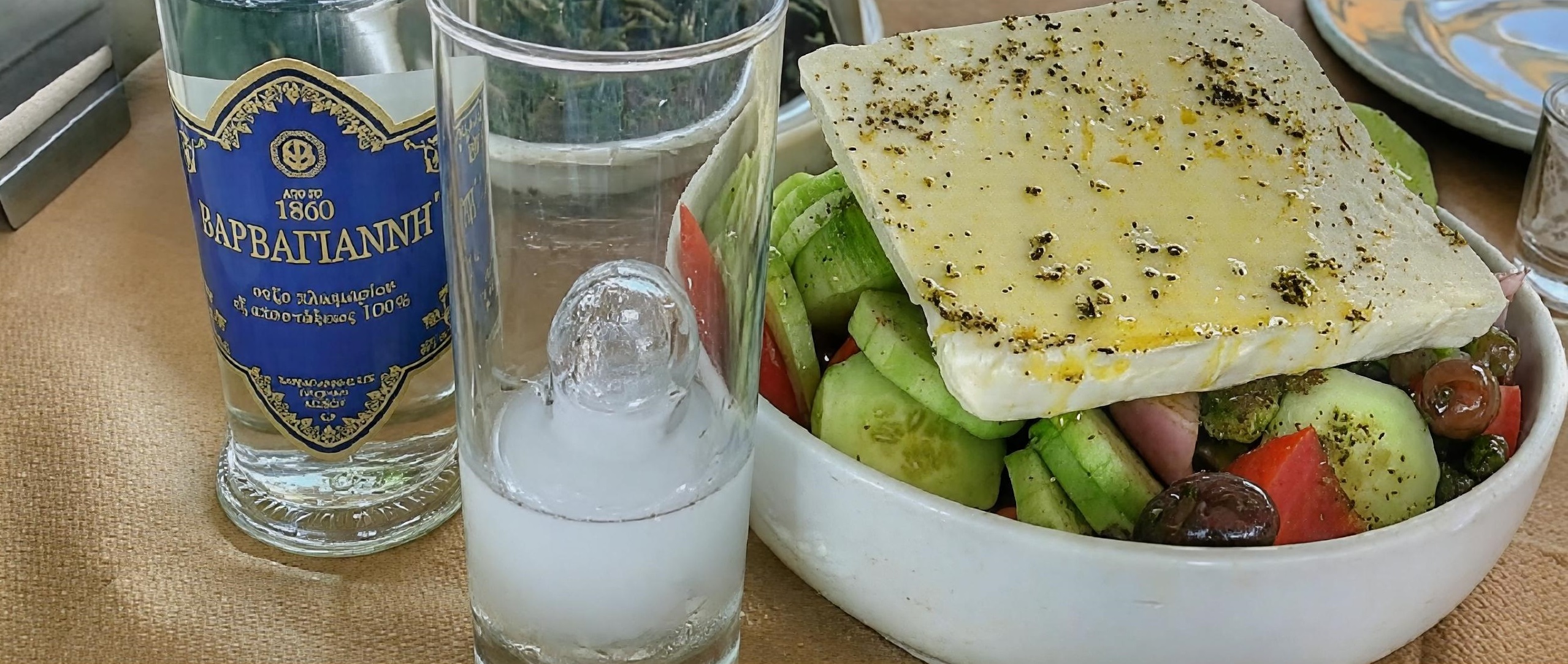
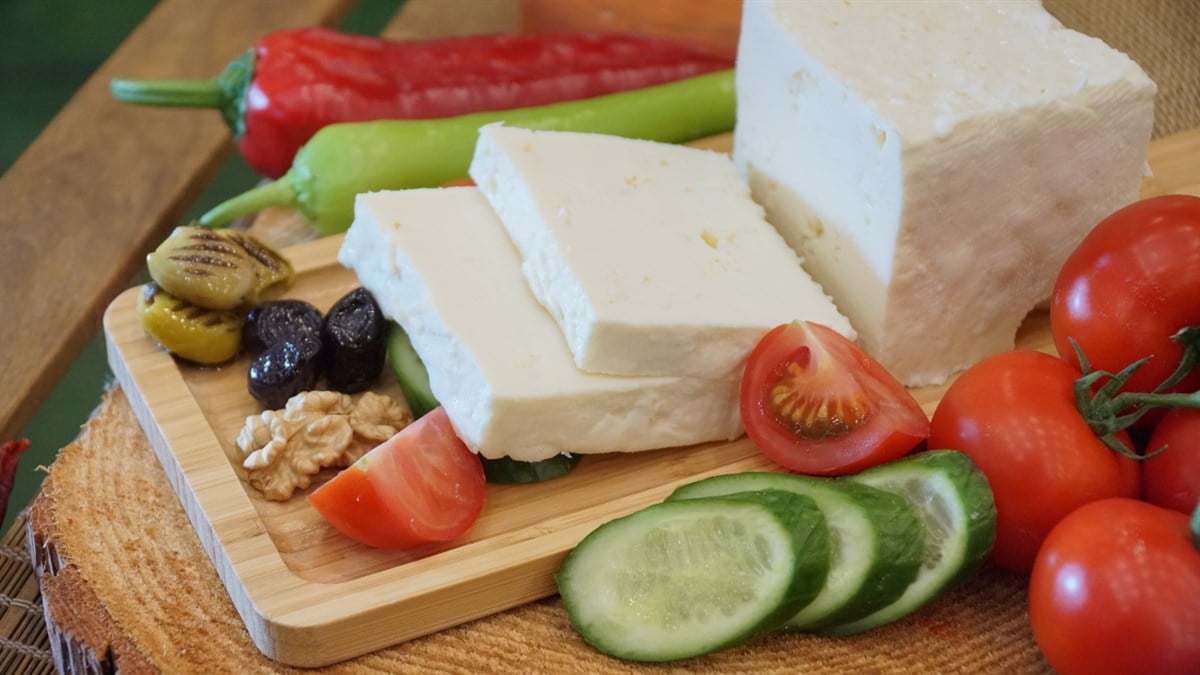
Feta cheese — long synonymous with Greek gastronomy — depends heavily on milk from sheep and goats, particularly certain local breeds endemic to Greece. With such a large portion of the flock now lost, milk volumes necessary for traditional feta production are collapsing.
For many European countries and export markets that rely on Greek feta, this could lead to price spikes, short-term scarcity, or replacement by lower-grade or non-authentic substitutes.
Analysts outside Greece are already noting potential ripple effects: Restaurants may face higher ingredient costs, retailers could struggle with supply chain gaps, and consumers might see reduced availability of genuine Greek feta.
Broader Agricultural & Economic Ramifications
- The crisis is not only a dairy concern: the sudden drop in livestock numbers threatens rural livelihoods across regions dependent on sheep and goat husbandry.
- The outbreak underscores risks in concentrated livestock systems: when a contagious disease spreads in environments with dense animal populations, the fallout becomes rapid and far-reaching.
- For global agricultural trade, this event may spark renewed interest in diversification: importing from alternative producers (e.g. from Balkan neighbors or non-EU countries), or increasing demand for alternative cheeses.
What We Know — and What Remains Uncertain
While many sources document large-scale culling and milk disruptions, no fully reliable count of total livestock losses is available yet — numbers vary between 400,000 and 500,000 depending on region and timing. Further, the timeline for recovery is uncertain: rebuilding flocks, re-establishing milk supply, and regaining export capacity could take months or even years.
Veterinary authorities in Greece are reportedly stepping up disease-control measures, but experts warn that eradication may require strict enforcement, broad vaccination campaigns, and significant financial support for affected farmers.
A Local Crisis, With Global Cheese Consequences
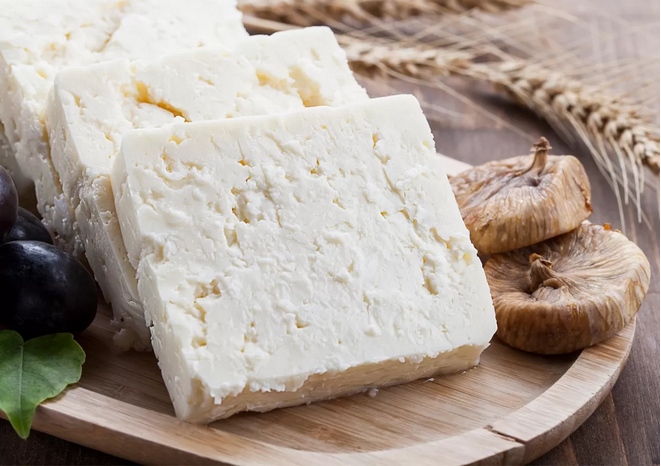
What began as a veterinary emergency in rural Greece is fast evolving into an international food-market concern. With half a million sheep and goats lost, and feta — one of the world's best-known cheeses — endangered, 2025 may become a landmark year in cheese supply disruption.
For consumers, producers, and food retailers worldwide, the crisis serves as a reminder: fragile supply chains and narrow agricultural dependencies can turn a local outbreak into a global shortage — overnight.