
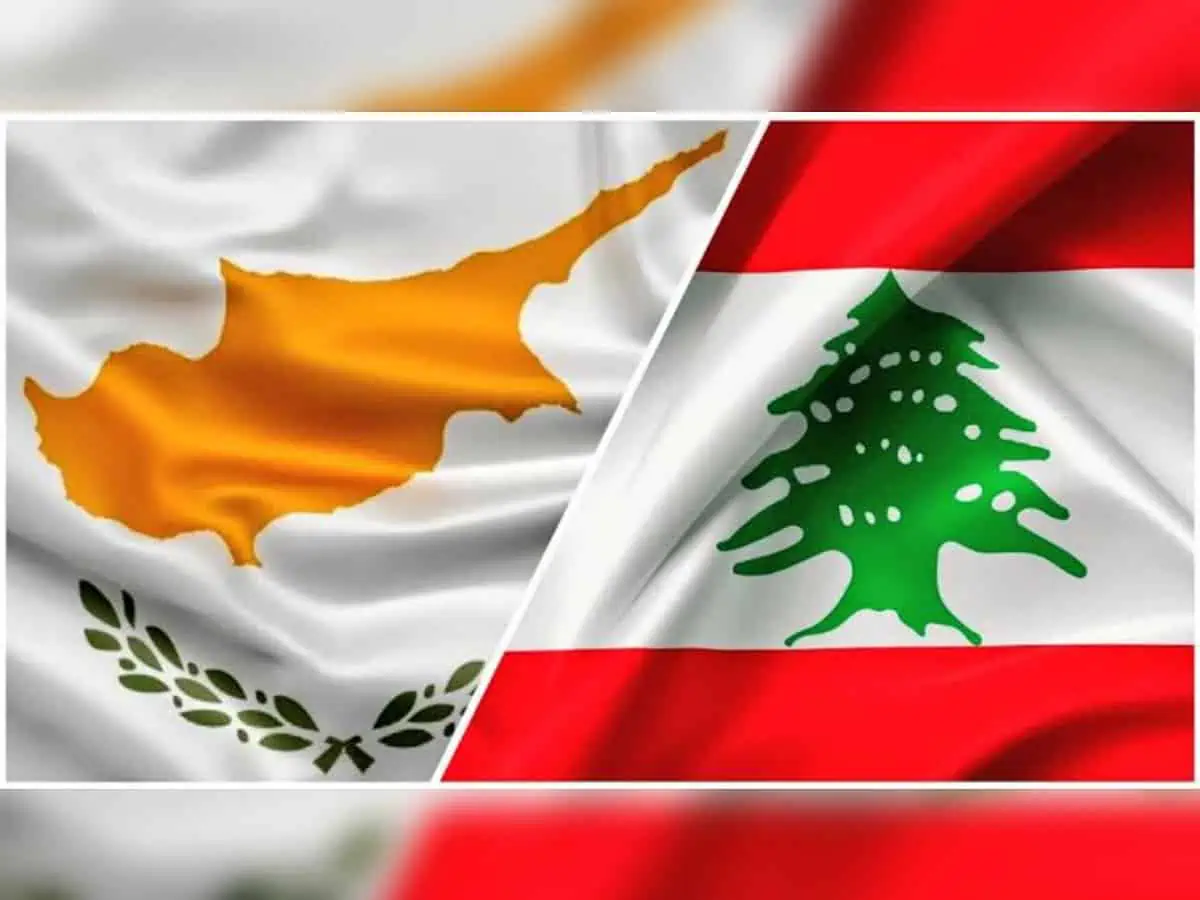
Diplomatic Fury: Ankara Blasts Lebanon-Cyprus Maritime Deal, Citing Deep Betrayal of Turkish Cypriot Rights
The Eastern Mediterranean's volatile maritime chessboard saw a sharp escalation this week as Lebanon and the Greek Cypriot Administration finalized a long-delayed maritime boundary deal. Hailed as a "strategic milestone" by its signatories, the agreement—intended to unlock offshore energy riches—instead triggered a wave of swift and unified fury from Turkish authorities, who view the pact as an illegal and unilateral attempt to undermine the rights of Turkish Cypriots.
The Beirut Signing: A Strategic Wedge
On Wednesday, November 26, 2025, Cypriot President Nikos Christodoulides and Lebanese President Joseph Aoun gathered in Beirut to seal the maritime demarcation agreement, reviving a preliminary 2007 pact. For Lebanon, the deal is a crucial step toward stabilizing its economy through potential natural gas exploration; for Cyprus, it solidifies its maritime zone. President Aoun was careful to state the deal "does not target anyone and does not exclude anyone," yet its very nature—concluded solely with the Greek Cypriot Administration—was a red flag to Ankara.
A Unified, Forceful Rejection
Türkiye's reaction arrived less than 24 hours later, a dual barrage from its two most powerful bodies: the Ministry of Foreign Affairs (MFA) and the Ministry of National Defense (MSB). The message was clear, immediate, and utterly uncompromising.
The MFA's Warning: Authority Must Be Shared
MFA Spokesperson Öncü Keçeli led the diplomatic charge, framing the agreement not just as a policy dispute, but as a direct challenge to the very status of the divided island.
"The signing of such an agreement by Lebanon or other regional states with the Greek Cypriot Administration directly concerns the equal rights and interests of the Turkish Cypriots on the Island."
Keçeli emphasized a fundamental sticking point for Ankara: the Greek Cypriot Administration "does not have the authority to undertake such steps" for the entirety of Cyprus. The spokesperson called on international players "not to become instruments in attempts to usurp the legitimate rights and interests of the Turkish Cypriots, who are sovereign and equal elements of the island." The language leaves no doubt: Türkiye sees any such agreement as illegal usurpation.
The Defense Ministry's Firm Stance: Not Negotiable
The Turkish Ministry of National Defense cemented the rejection, translating the diplomatic protest into a hard security posture. During its weekly press briefing, the Ministry made its position absolute:
"It is not possible for us to accept any agreement in which the rights of the TRNC are disregarded."
The MSB went a step further, subtly questioning Lebanon's judgement, adding: "We evaluate that this accord, which disregards the TRNC's rights, is also in violation of the interests of the Lebanese people, and tell our Lebanese counterparts that we are ready for cooperation on maritime issues." This dual condemnation signals that the deal is viewed not merely as an irritant, but as a deliberate hostile move against Turkish Cypriot interests.
The Geopolitical Stakes
While the demarcation zone does not directly overlap with areas Türkiye claims as its own continental shelf, the outrage stems from the precedent. Ankara insists that the Greek Cypriot side, acting alone, cannot negotiate on behalf of resources that belong to all Cypriots. For Turkish Cypriots, led by voices like Tufan Erhürman, the deal is seen as cementing a political status quo that continues to isolate them while denying them access to shared natural wealth. The agreement is now yet another high-tension flashpoint in the perpetually turbulent Eastern Mediterranean, fundamentally challenging established maritime sovereignty claims and the future political balance of the region.