
By Bosphorus News Geopolitics Desk
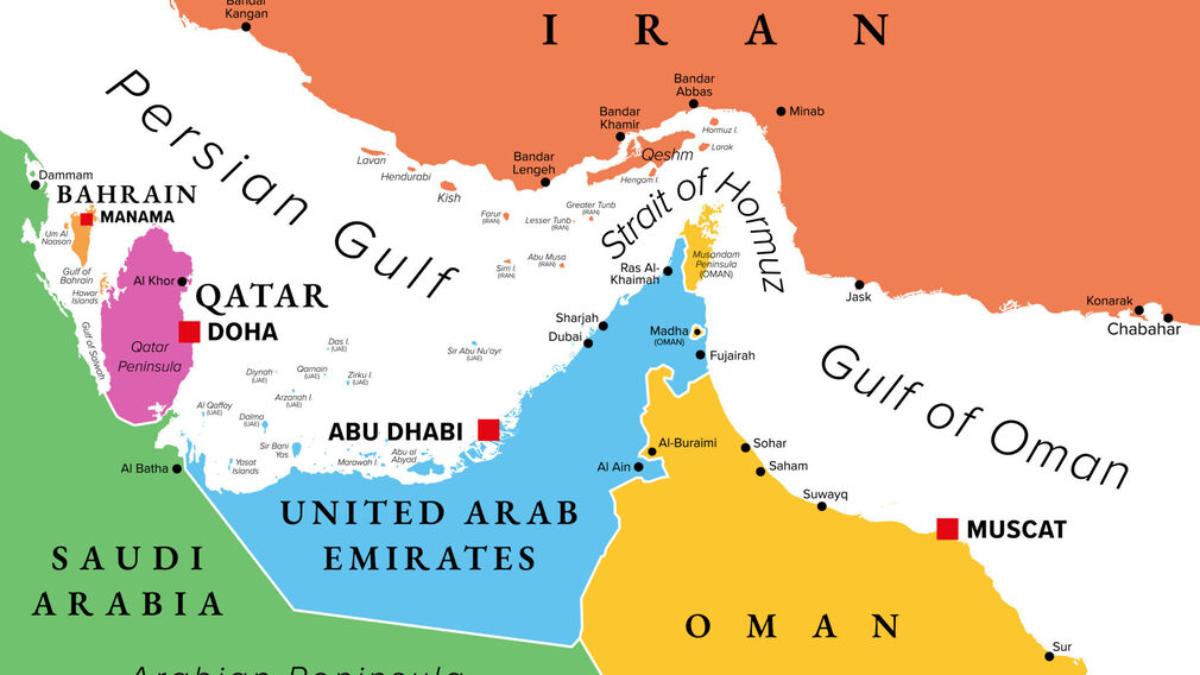
US President Donald Trump said on Sunday that he had asked seven countries to help escort vessels through the Strait of Hormuz and that some had agreed, without naming them. Speaking to the Financial Times, he warned that NATO faced a "very bad" future if its members failed to assist. The US "will remember" which countries did not help, he added. On Saturday he had specifically named China, France, Japan, South Korea and the United Kingdom.
Trump told reporters the Hormuz mission was a "very small endeavor," framing it as simply keeping a shipping lane open. Iran's naval commander Alireza Tangsiri rejected that framing, saying in a statement that the strait "has not been militarily blocked and is merely under control."
European Refusals, One by One
No European country has committed to sending warships. Several have ruled it out in direct terms.
Greece was among the first to decline. Government spokesman Pavlos Marinakis said on March 16 that Greece has no plans to participate in any military operation in the strait. He said Greece's current involvement in the EU's Operation Aspides is "geographically defined in the Red Sea and does not concern the Strait of Hormuz." He added: "Under no circumstances do we intend to get involved in war."
Germany was equally direct. Defence Minister Boris Pistorius, speaking at a press conference in Berlin alongside his Latvian counterpart, rejected military involvement. "It is not our war. We did not start it," he said, expressing skepticism about the need for European intervention while leaving room for diplomatic support.
A German government spokesperson said separately: "This war has nothing to do with NATO. It is not NATO's war." Foreign Minister Johann Wadephul said he saw no role for NATO members in the strait and was skeptical about expanding existing naval missions.
Spain's Defence Minister Margarita Robles said her country would "never accept any stopgap measures, because the objective must be for the war to end, and for it to end now."
Italy's Foreign Minister Antonio Tajani told reporters in Brussels he did not think the Red Sea naval missions should be expanded to the Strait of Hormuz, noting they are "anti-piracy and defensive missions."
Ireland's Taoiseach Micheál Martin confirmed Ireland would not be getting involved.
UK Prime Minister Keir Starmer said Britain is working with allies "to bring together a viable collective plan that can restore freedom of navigation in the region as quickly as possible," but was explicit that the UK "will not be drawn into the wider war." Starmer has given the US only limited access to British military bases, for defensive operations only. Trump responded with personal criticism of Starmer, saying he was "not happy" with Britain.
The EU's Position: Aspides, Not Hormuz
EU foreign ministers convened in Brussels on March 16 to discuss the bloc's response. EU foreign policy chief Kaja Kallas said she would propose changing the mandate of the Aspides mission and held talks with UN Secretary-General António Guterres on unblocking the strait. "It is in our interest to keep the Strait of Hormuz open," she told reporters. She acknowledged, however, that the strait "is out of NATO's area of action" and that "there are no NATO countries in the Strait of Hormuz."
A European diplomat told Euronews the goal of the Brussels meeting was to establish capabilities and coordinate under the EU umbrella, but that a large European coalition to escort ships through the strait was not expected. Neither the US nor Israel consulted European allies before launching the attack on Iran on 28 February.
Beyond Europe
Outside Europe, the response was similarly cautious. Japan's Prime Minister Sanae Takaichi told parliament: "We have not made any decisions whatsoever about dispatching escort ships. We are continuing to examine what Japan can do independently and what can be done within the legal framework." Japan is bound by laws that strictly limit overseas military deployments. South Korea said it was considering Trump's request.
Australia's Transport Minister Catherine King said her government had not been asked to contribute and would not be sending ships. China called for a halt to hostilities, with the foreign ministry urging all parties to ensure stable and unimpeded energy supply, without addressing Trump's request directly.
Trump said his planned trip to China at the end of March could be delayed depending on Beijing's decision on warship deployments. US Treasury Secretary Scott Bessent and Chinese Premier He Lifeng concluded two days of talks in Paris on March 16, described by unnamed sources as "remarkably stable."
Oil prices hovered near $105 a barrel on Monday. Iran has continued drone and missile strikes in the region, including against targets in Dubai and Israel.