
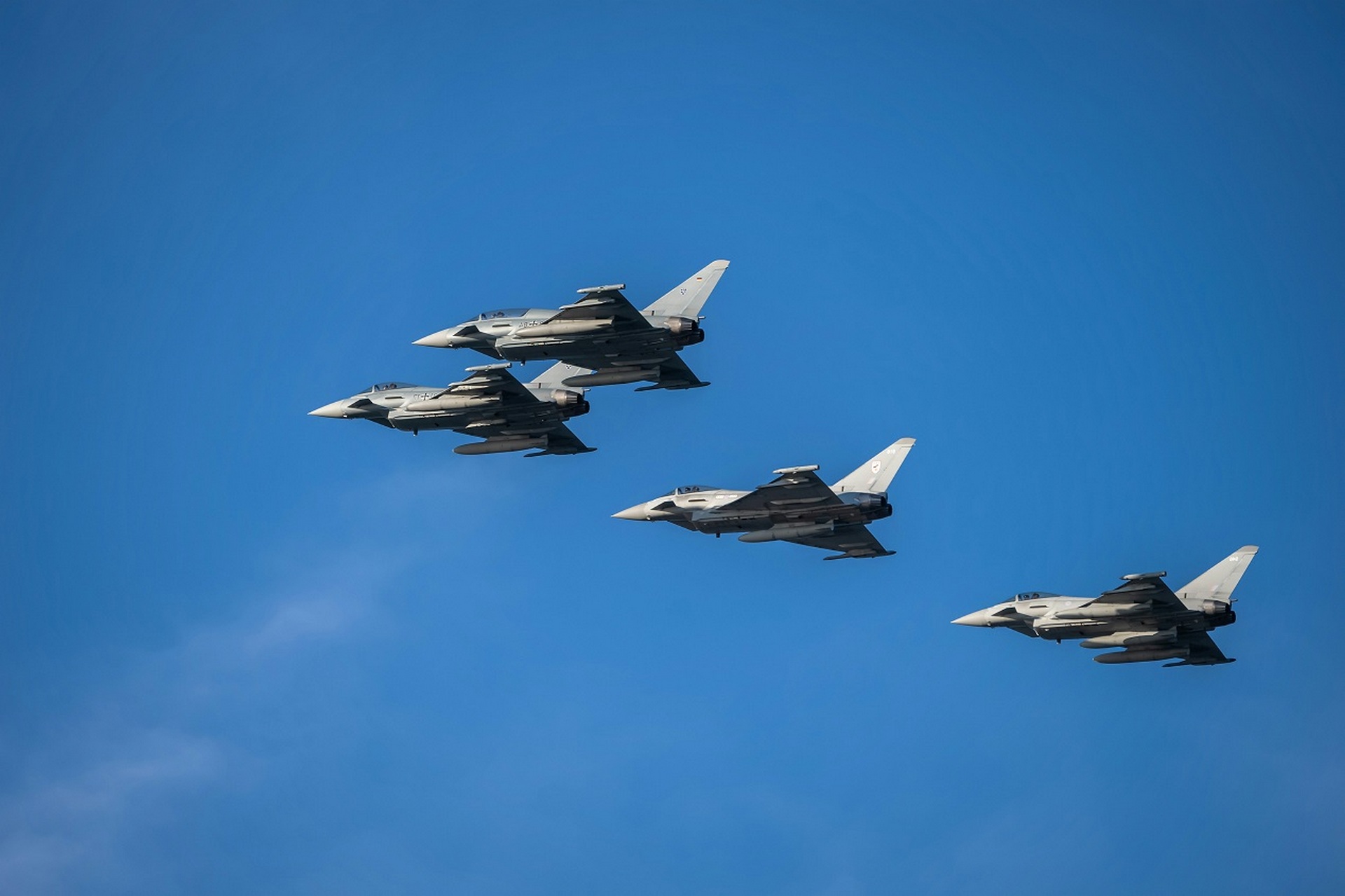
A diplomatic and defense deadlock that strained relations between key NATO members has finally broken. Germany has signaled a decisive shift in its arms export policy, officially moving to lift its long-standing veto on the sale of Eurofighter Typhoon combat jets to Türkiye.
The Eurofighter, a sophisticated multi-role aircraft built by a consortium including the UK, Germany, Italy, and Spain, requires unanimous approval from all partners for export. Germany had been the primary obstacle to the estimated $6 billion deal, which includes a proposed acquisition of up to 40 jets to modernize the Turkish Air Force.
Strategic Shift for Alliance Security
The decision reflects a political convergence among NATO allies who emphasize the necessity of bolstering the Alliance's defense structure in the face of escalating geopolitical challenges. The approval aligns with the views of figures like Michael Schoellhorn, CEO of Airbus Defence and Space—a leading partner in the Eurofighter program—who previously advocated for the sale as serving shared security interests.
For Ankara, the acquisition is a critical priority for several reasons:
- Air Force Renewal: The Turkish Air Force relies heavily on aging F-16 aircraft, creating an urgent need for advanced, 4.5-generation fighters.
- F-35 Exclusion: Türkiye's removal from the U.S.-led F-35 joint strike fighter program solidified the Eurofighter as the most viable off-the-shelf option to maintain air superiority until its domestic KAAN fifth-generation fighter is fully ready.
German Foreign Minister Johann Wadephul has publicly reinforced the strategic importance of the move, noting that providing the Eurofighters to an ally like Türkiye enhances its deterrent power, which ultimately benefits NATO as a whole.
Europe Follows Suit: Lifting Restrictions
Germany's move follows a similar normalization of defense ties elsewhere in Europe. Belgium recently announced the formal termination of its defense industry embargo against Türkiye.
This European policy pivot comes at a time when Türkiye's domestic defense capabilities have never been stronger, largely fueled by its response to past arms restrictions. Data confirms the sector's rapid growth:
The sale of the Eurofighters, alongside increased industrial cooperation with partners like Spain on projects such as the Hürjet trainer jet, indicates a broader shift from a policy of isolating Türkiye to one of integrating its increasingly powerful defense-industrial base into the collective security architecture of NATO. This integration is seen by many analysts as essential for a unified and capable alliance.