
The Call for Industrial Mobilization
In the wake of Russia's massive surge in military spending—with reports indicating Moscow now allocates a staggering 40% of its state budget to defense—NATO's leadership is pressing for an unprecedented industrial and fiscal response from its members.
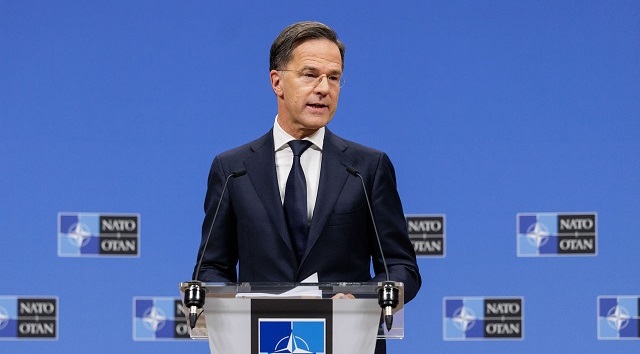
NATO Secretary-General Mark Rutte, recently appointed to the alliance's top post, has been the leading voice in this call to action. Speaking after a critical NATO foreign ministers' meeting, Rutte announced the alliance's pivot toward an ambitious goal: a commitment to invest 5% of GDP annually in defense, with 3.5% dedicated to "core" capabilities. But for Rutte, this isn't merely about writing bigger checks; it's about a fundamental shift in manufacturing capability, and for that, he has singled out Türkiye.
"Türkiye has a very big defense industrial base. Sometimes we forget what they have," Rutte stated, highlighting that the nation's defense sector, comprising over 3,000 companies, is delivering the crucial output required for deterrence. He went further, urging closer integration: "We have to make sure that the Turkish defense industrial base is as closely connected as possible to the UK, Norway, and the European Union."
The Turkish Engine: Data Behind the Praise
Rutte's high praise is rooted in Ankara's impressive, decade-long commitment to self-reliance in defense production. Data from the Turkish Presidency of Defense Industries (SSB) reveals a dramatic transformation:
- Export Surge: Türkiye's defense and aerospace exports reached a record high of $7.2 billion in 2024, up from $5.5 billion in 2023. This remarkable growth was fueled by global demand for its domestically produced platforms, including Bayraktar UAVs, advanced weapon systems, and warships.
- Self-Sufficiency: The nation's defense localization rate—the percentage of its military needs produced domestically—has now exceeded 80%. This shields Türkiye from the arms embargoes and supply chain disruptions that plagued its military policy in the past, giving it unprecedented strategic autonomy.
- High-Value Production: The quality of the output is also soaring. The average export value per kilogram for the defense sector has reached approximately $65, far surpassing the national average of $1.50 per kilogram for Turkish exports generally. For some advanced systems, like specific AI-powered firing control systems, this value can range from $20,000 to $50,000 per kilogram.
- Global Reach: The country now exports defense products to 180 nations and has positioned itself as the 11th largest arms supplier in the world. Significantly, there's a growing thrust toward NATO and European markets, with countries like Poland, Romania, and the Czech Republic becoming major recipients of Turkish defense goods.
A Crucial Strategic Anchor
Rutte's endorsement underscores Türkiye's unavoidable, pivotal role in NATO's future strategy. As the alliance works toward its 5% GDP defense target by the end of the decade, the ability to rapidly scale production of ammunition, vehicles, and high-tech systems like drones is paramount.
Türkiye's proven capacity—from the factory floor to the international market—is now seen less as a unilateral national effort and more as a critical resource for collective Western security. The former Dutch Prime Minister's comments signal a clear shift in NATO's attitude: the alliance needs to drop any internal restrictions on defense cooperation and fully harness the advanced industrial power of all its members to meet the daunting new demands of global deterrence.