

Türkiye's Radio and Television Supreme Council, RTÜK, has ordered the removal of an HBO Max series centered on the life of a sex worker from digital platforms operating in the country, while also issuing an administrative fine at the highest level allowed under current broadcasting regulations.
The decision has renewed debate over the scope of content regulation in Türkiye, particularly as it applies to global streaming platforms and original productions distributed online.
What Is RTÜK?
RTÜK is Türkiye's primary authority responsible for regulating radio, television, and on-demand broadcasting services. Established in 1994, the council oversees licensing, content monitoring, and enforcement of broadcasting standards. Its nine members are elected by parliament, a structure that has long led critics to describe the body as politically influenced and closely aligned with the governing majority.
Over the years, RTÜK has issued fines, temporary broadcast suspensions, and content removal orders affecting television channels, news outlets, films, and digital platforms. Supporters of the council argue that it enforces public morality, family values, and child protection standards. Critics counter that its decisions often reflect ideological and moral judgments rather than narrowly defined regulatory criteria.
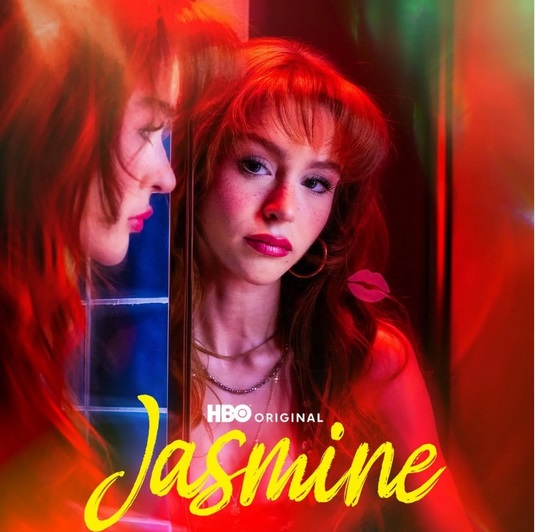
The Decision on the Series
According to RTÜK's ruling, the HBO Max series—titled Jasmine—violated provisions related to public morality and social values under Türkiye's broadcasting law. The regulator ordered the series to be removed entirely from the platform's catalog in Türkiye and imposed a top-tier administrative fine on the service provider.
Rather than requiring edits, age restrictions, or content warnings, RTÜK opted for full removal, a measure reserved for cases deemed to involve serious violations.
Reaction and Wider Context
The decision prompted criticism from journalists, cultural commentators, and digital rights advocates, who argued that the ruling restricts artistic expression and limits consumer choice on streaming platforms. Several commentators pointed to previous RTÜK penalties involving television dramas, films, and news programming as evidence of an increasingly assertive regulatory approach.
The platform complied with the removal order. However, the appearance of a subsequent episode of the series online outside the official catalog highlighted the difficulties of enforcing content restrictions in the digital environment.
Regulation of Streaming Platforms in Türkiye
In recent years, Türkiye has expanded RTÜK's authority to cover international streaming services, requiring them to obtain licenses and comply with national broadcasting standards. Officials maintain that digital platforms should be subject to the same rules as traditional broadcasters, particularly when operating in the Turkish market.
Critics argue that this framework blurs the line between regulation and censorship, especially when applied to fictional content intended for adult audiences.
An Ongoing Debate
The Jasmine decision has once again placed RTÜK at the center of a broader debate over how Türkiye balances cultural norms, regulatory oversight, and freedom of expression in an evolving media landscape.
As streaming platforms continue to grow in popularity, disputes over content limits and regulatory authority are expected to remain a recurring issue in Türkiye's media environment.