
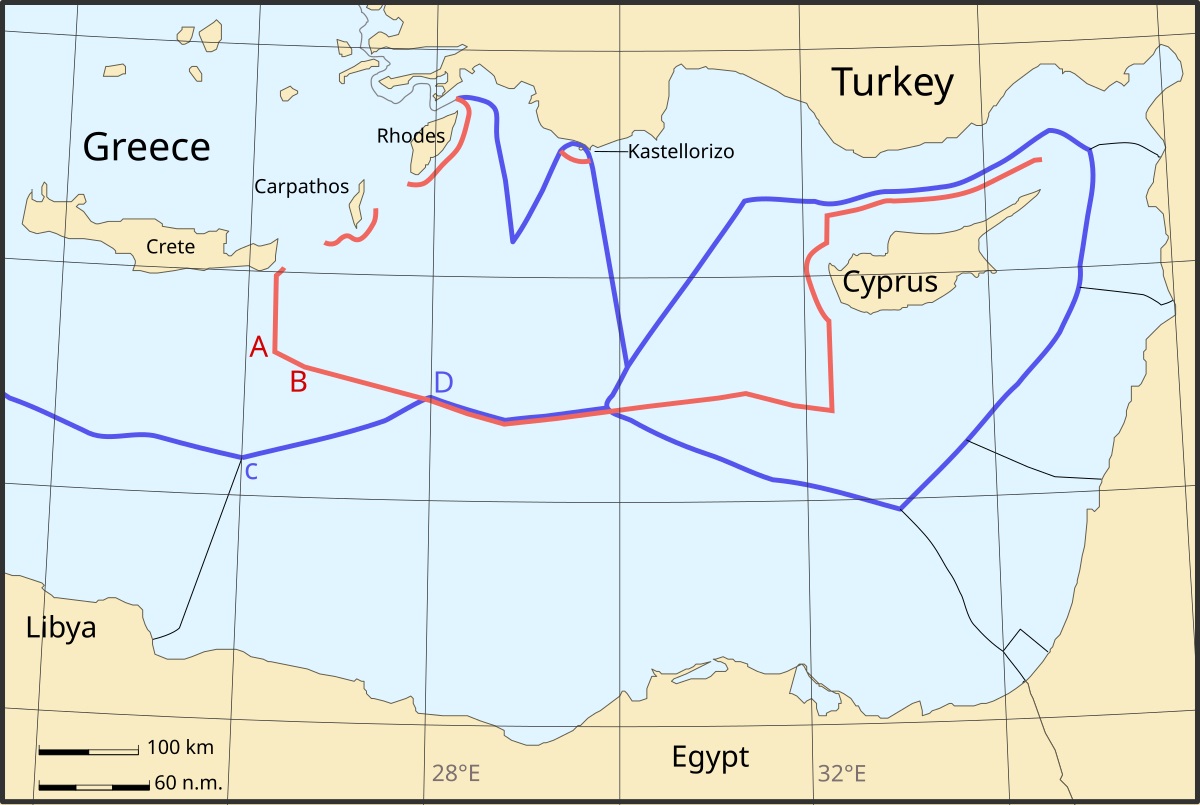
Libya's eastern-based House of Representatives has firmly rejected Greece's call to annul the 2019 maritime boundary agreement with Türkiye, with Deputy Speaker Ahmed Ouhida criticizing the request as a clear intrusion into Libya's sovereign decision-making. The reaction followed a visit to Athens by House Speaker Aguila Saleh, who met Greek Parliament Speaker Nikitas Kaklamanis and faced pressure to cancel the memorandum defining maritime zones between Libya and Türkiye. Libyan parliamentary statements stressed that no foreign parliament has the authority to dictate Libya's bilateral agreements, underlining that such decisions lie solely with Libyan institutions.
Background on the 2019 Türkiye–Libya Maritime Deal
The 2019 agreement between Türkiye and Libya's then internationally recognized government draws a shared maritime boundary across the Eastern Mediterranean and opens the way for joint exploration and energy cooperation. It has been contested by Greece and some EU members, who argue it overlaps with areas they claim as exclusive economic zones, particularly around islands such as Crete. Libyan officials, however, maintain that the deal protects Libya's offshore rights and complements broader political and economic ties with Ankara.
Regional Context and Diplomatic Balancing
The latest exchange comes at a time when both Libya and Türkiye say they support dialogue in the Eastern Mediterranean, even as disagreements over maritime jurisdiction and energy projects continue. Libyan figures from the east, including Aguila Saleh and other senior officials, have in recent months voiced support for maintaining the agreement with Türkiye, signaling a rare point of convergence across Libya's internal divides. In this context, Tripoli and Tobruk alike appear keen to preserve room for cooperation with both regional neighbors and European partners, while insisting that any change to existing deals must be decided in Libya, not in foreign capitals.