
I. The Warning: "Greater Even Than the Iranian Threat"
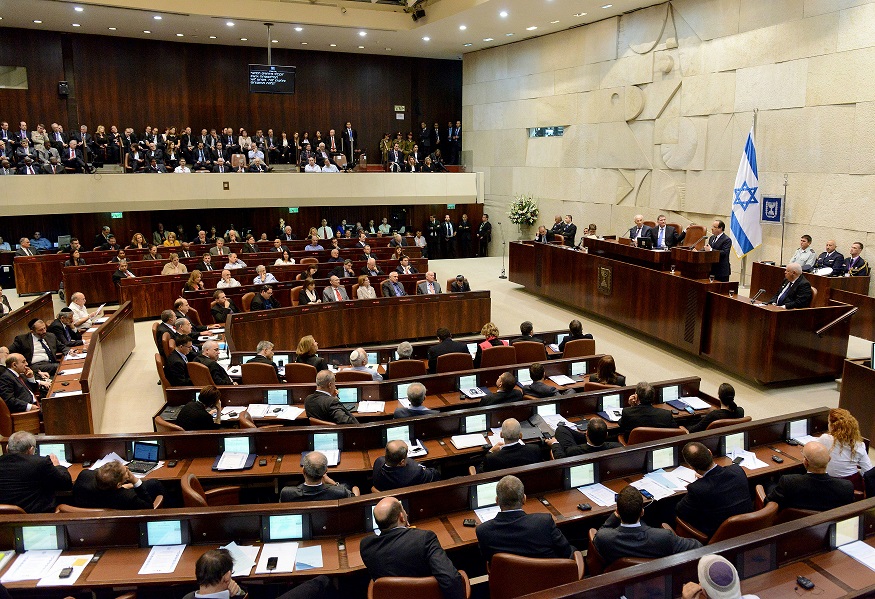
The unprecedented session was led by MK Ohad Tal (Religious Zionism), Co-chair of the Knesset Eastern Mediterranean Cooperation Caucus. Drawing a direct comparison between Israel's traditional rival and its increasingly hostile NATO-member neighbor, Türkiye, Tal's speech marked a decisive pivot in Israeli parliamentary focus.
"Türkiye under Erdoğan's leadership is not just a rival, it is rapidly and powerfully becoming a threat that, in the not-so-distant future, could be much greater even than the Iranian threat," MK Tal declared in the chamber.
He emphasized that this is a risk amplified by Türkiye's comprehensive power structure, stating: "Türkiye is a stronger country than Iran economically, militarily, and diplomatically." Unlike Iran, Türkiye benefits from being a NATO member, enjoying diplomatic legitimacy in Western capitals while simultaneously cultivating ties in Beijing. The combination, Tal argued, creates a "strategic powder keg."
The debate served to validate years of warnings from groups like the Middle East Forum, which highlighted Türkiye's trajectory from ally to adversary.
II. The Four Pillars of the Threat
MK Tal laid out four urgent, interconnected policy challenges demonstrating Türkiye's deliberate actions against Israel's strategic interests:
1. The Hamas Safe Harbor
The most immediate concern cited was Türkiye's systematic support for terror groups. MK Tal asserted that Ankara "systematically grants legitimacy and even funds Hamas's terror base while the political leadership of this murderous terrorist organization sits comfortably in Istanbul and Ankara."
This claim is substantiated by broader reports, which describe Türkiye as a key logistical and financial hub for Hamas, with an ideological connection existing between the ruling AKP party and the militant group. This sanctuary status has been a persistent source of friction between Ankara and its Western allies.
2. The Neo-Ottoman Dream in Jerusalem
Lawmakers also scrutinized Türkiye's actions on Israeli sovereign territory. The Türkiye consulate in Jerusalem was specifically named as a hostile operation center working illegally to undermine Israeli sovereignty and realize a "neo-ottoman dream: a Muslim Jerusalem under Türkiye's protection."
MK Tal and 15 Knesset members had previously sent a letter demanding the government immediately act to curb the consulate's privileges and redefine its status, warning of ongoing "diplomatic neglect."
3. Obstruction of Global Trade
The debate highlighted Türkiye's geopolitical maneuvering to challenge Israeli-backed infrastructure projects. Ankara has openly promoted its alternative "Development Road" initiative—a massive trade corridor linking the Persian Gulf through Iraq and Türkiye to Europe—in a direct attempt to thwart the U.S.-led India-Middle East-Europe Economic Corridor (IMEC).
The IMEC, announced at the 2023 G-20 Summit, is intended to connect India and Europe via Gulf states, Jordan, and Israel. Türkiye, which was pointedly excluded from the IMEC, views it as a strategic bypass aimed at diminishing its own geoeconomic relevance, leading President Erdoğan to declare, "there would be no corridor without Türkiye."
4. Energy and Maritime Threats
Finally, the Knesset raised the alarm over Türkiye's actions in the Eastern Mediterranean. Ankara is actively challenging maritime rights and obstructing key regional energy projects, including Israeli gas exports to Europe via the proposed pipelines through Cyprus and Greece. This has spurred a decisive geopolitical realignment, forcing Israel, Greece, and Cyprus to deepen defense and energy cooperation through the East Mediterranean Gas Forum (EMGF) to secure critical infrastructure.
III. The Call for a Redline Policy
In response to the multi-faceted threat, MK Tal urged the Foreign Affairs and Defense Committee to formulate a "comprehensive policy," specifically calling for three main actions:
- Strengthening cooperation with key regional partners Cyprus and Greece in every possible field.
- Lobbying the American Congress and European capitals to clarify the scope of the Turkish threat.
- Dismantling the Türkiye consular status in Jerusalem.
It is time to formulate a redline policy toward Türkiye. This domestic discussion comes as Türkiye simultaneously seeks to rapidly upgrade its military, pursuing advanced Western fighter jets (F-16s and Eurofighters) to maintain air parity with Israel and Greece. This move, however, faces significant opposition in the U.S. Congress due to Türkiye's acquisition of the Russian S-400 missile system and its consistent support for Hamas, ensuring the debate over Ankara's reliability remains a high-stakes issue on both sides of the Atlantic.
***Sources:
- Middle East Forum Press Release: Israeli Knesset Debates Turkish Threat in Historic Cross-Party Session
- MK Ohad Tal Speech: Israeli Knesset Debates Turkish Threat: "Could Be Greater Than Iran" | MK Ohad Tal Speech