
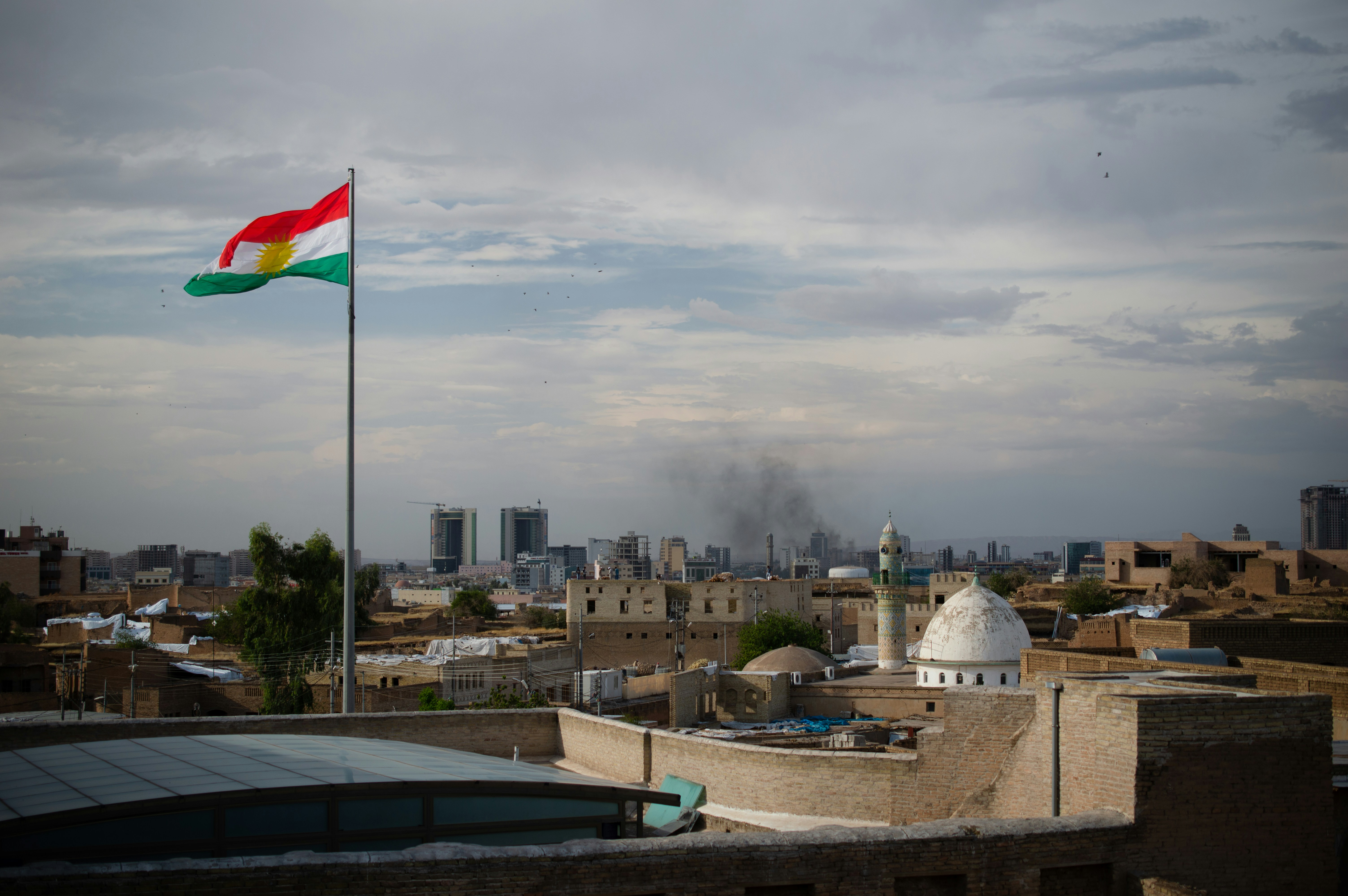
Senior figures from the Kurdistan Democratic Party (KDP) and the Patriotic Union of Kurdistan (PUK) have convened in Erbil in renewed high‑level political talks aimed at breaking a prolonged stalemate that has delayed the formation of both the Kurdistan Regional Government (KRG) and Iraq's federal government. These discussions come after months of paralysis in the Kurdish legislature and reflect growing pressure on regional leaders to restore effective governance. The reporting in this article is based on information from local sources and Kurdish media outlets, including Rudaw and Shafaq, ensuring an accurate picture of ongoing developments.
The negotiations are expected to focus on three primary issues: the formation of a new KRG cabinet, the reactivation of the Kurdistan Parliament's suspended sessions, and coordination on the broader Iraqi government formation following the November 2025 parliamentary elections. The talks aim to bridge longstanding differences over power‑sharing and ensure Kurdish representation at both the regional and federal levels.
Political Background and Deadlock
The Kurdistan Region has been without a fully formed government since October 2024, when parliamentary elections produced a fragmented assembly. The KDP won 39 seats, while the PUK secured 23 in the 100‑seat legislature, leaving neither party with a clear majority and complicating coalition negotiations.
Under Iraq's post‑2003 power‑sharing arrangement, the Iraqi presidency has traditionally been held by a Kurdish politician, often from the PUK, while the KDP maintains influential positions, including leadership of the Kurdistan Region. Recent federal elections saw the KDP win 26 seats nationwide compared with 15 for the PUK, adding a new dimension to intra‑Kurdish negotiations and expectations about how Kurdish blocs coordinate representation in Baghdad.
Internal Dynamics and Ongoing Disputes
Past disputes have centered on disagreements over key ministries—such as the Ministry of Interior—and governance mechanisms. While both parties share a broad vision for the region's political future, negotiations have repeatedly faltered over the distribution of posts and the implementation of agreed agendas.
Tensions have occasionally surfaced in public, including isolated incidents at checkpoints between KDP and PUK security forces. However, security officials emphasize that these were resolved and movement within the region remains generally free, reflecting efforts to avoid escalation.
Earlier efforts in mid‑2025 saw leaders express "great progress" toward cabinet formation and a "better understanding", though the goal of forming a new government before federal parliamentary elections was not achieved.
Economic and Federal Context
The political deadlock intersects with broader economic disputes between the Kurdistan Region and the federal government in Baghdad, including disagreements over public sector salaries and budget allocations. These disputes have at times delayed payments, affecting fiscal stability and heightening the stakes for a timely political resolution.
Beyond internal governance, the unity and negotiation outcomes of the KDP and PUK carry implications for how Kurdish representatives engage with national Iraqi politics, including discussions around Kurdish representation in federal institutions and the strategic balance of power within Iraq's political landscape.
Looking Ahead
As the KDP and PUK resume talks in Erbil, the outcome will be closely followed across the region and by international observers. A successful agreement could pave the way not only for a functioning Kurdistan Regional Government but also for more cohesive participation in Baghdad's political process, potentially stabilizing relations between Erbil and the Iraqi federal government. Such an outcome would also help restore regular parliamentary activity and reinforce the Kurdistan Region's political influence both domestically and nationally.