
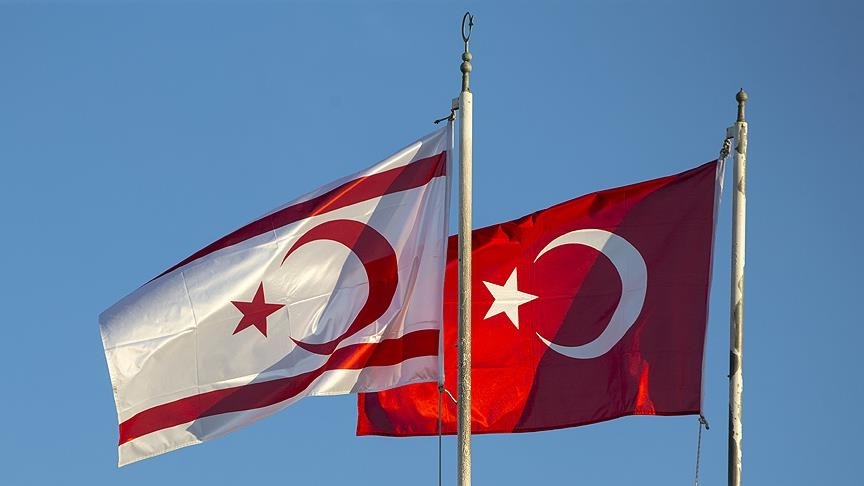
In a move described by analysts as a high-stakes diplomatic gamble, the Republic of Cyprus has signaled a readiness to open the long-frozen door to Turkish membership in the European Union.
Speaking to reporters, President Nikos Christodoulides confirmed his country's willingness to support Türkiye's strategic goal of full EU accession, but only on the condition that tangible progress is made toward a comprehensive settlement on the island of Cyprus.
"I have heard Mr. Erdogan's statements," Christodoulides said, referring to Turkish President Recep Tayyip Erdogan's recent reaffirmation that full EU membership remains a "strategic priority" for Ankara. "If they are valid in practice, in essence, and are not just statements, we are here to lead in this direction."
The Leveraged Veto and the Stalemate
This declaration is significant because Cyprus, as an EU member state, holds veto power over every chapter of Türkiye's accession negotiations.
For nearly two decades, the process has been virtually paralyzed. Accession talks, which formally began in 2005, came to a halt in 2016 following a downturn in Turkish rule-of-law standards, but even before that, eight key negotiation chapters had been unilaterally blocked by the EU Council. The critical reason for this freeze, dating back to 2006, was Türkiye's continued refusal to apply the Additional Protocol of the Ankara Agreement to Cyprus—specifically, denying Cypriot-flagged vessels and aircraft access to Turkish ports and airports.
This means Nicosia is offering to trade its most powerful diplomatic chip for a breakthrough on the "Cyprus problem," the political dispute that has kept the island divided since the Turkish military intervention in 1974.
A New Window for Talks
The Cypriot President's statement arrives just weeks before a crucial diplomatic date and is underpinned by fresh political momentum on the island. Christodoulides stated he is "fully prepared" for the upcoming meeting on December 11 with the new Turkish Cypriot leader, Tufan Erhürman, and the UN Secretary-General's personal envoy for Cyprus, Maria Angela Holguin.
The election of Erhurman in October signaled a potential shift. The veteran left-winger won a landslide victory after campaigning on reviving stalled UN-brokered talks to reunify the island, specifically advocating for a bi-communal, bi-zonal federation. This stance puts him at odds with Ankara's current official policy, which has increasingly pushed for a two-state solution—a position rejected by the Republic of Cyprus and the international community.
The victory of the pro-dialogue Turkish Cypriot leader creates a crucial opportunity for Christodoulides to argue that political will exists on both sides of the Green Line to resume formal negotiations, thus putting the burden back on Ankara to facilitate the process.
Beyond the Island
Christodoulides has consistently argued that having Türkiye integrated with the EU serves Nicosia's long-term geopolitical interests. "We cannot change our geography. Türkiye will always be a neighbour of Cyprus, so I prefer a neighbour that is close to the European Union," he said in a recent interview, suggesting the benefits of a democratizing, stable Türkiye outweigh the risks of a perpetually antagonistic relationship.
However, the path remains challenging. While the new Turkish Cypriot leadership seeks to revive talks, President Erdogan continues to emphasize the two-state solution as the "most realistic option." Furthermore, the European Parliament has previously called for Türkiye's accession process to be frozen entirely over concerns regarding the country's "democratic backsliding" and human rights record. The question now rests on whether the prize of revived EU membership is compelling enough for Türkiye to concede on the issue that has been its primary diplomatic leverage point: the future of Cyprus.